BAFTA Winner Left Emotionally Devastated by BBC's Broadcast Decision
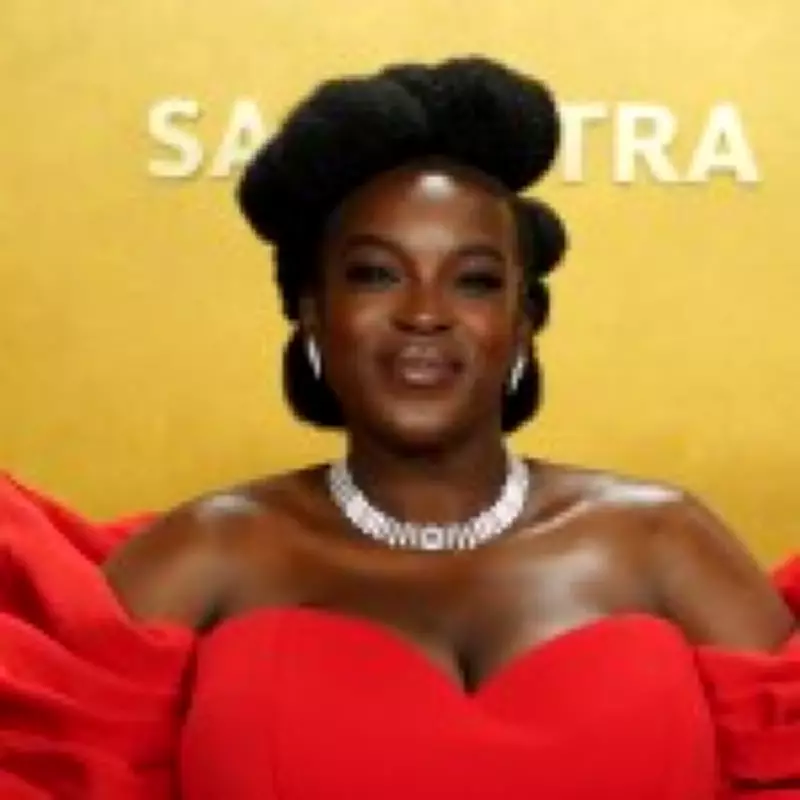
Acclaimed actress Wunmi Mosaku, fresh from her BAFTA win for Best Supporting Actress, has revealed she was left 'in tears' and 'kept awake at night' following the BBC's controversial decision to broadcast a racial slur during the prestigious awards ceremony. The British-Nigerian star, who triumphed for her role in Ryan Coogler's horror film 'Sinners,' described how the incident 'really tainted' her celebration of what should have been a career-defining moment.
The Controversial Broadcast Incident
During last weekend's BAFTA ceremony at London's Royal Festival Hall, Tourette's campaigner John Davidson was heard shouting the N-word as 'Sinners' co-stars Michael B. Jordan and Delroy Lindo prepared to present the Best Visual Effects award to 'Avatar: Fire and Ash.' The shocking moment prompted audible gasps throughout the audience, but the controversy deepened when the BBC subsequently aired footage containing the racial slur during their broadcast.
The national broadcaster only removed the content from their iPlayer streaming service after facing significant public backlash, a decision that has drawn intense criticism from multiple quarters of the entertainment industry.

Wunmi Mosaku's Emotional Response
Speaking on the red carpet at the Actor Awards in Los Angeles, Mosaku shared her profound disappointment with Entertainment Tonight. 'I was there and it was painful to have that celebration kind of really tainted for me,' she revealed. 'I have no hard feelings towards John Davidson at all. He has a condition. I feel like BAFTA has a lot of lessons to learn.'
The actress went further, describing the situation as 'exploitative and performative to have someone there without the full protection of everyone, including him and anyone in that audience,' noting that children were likely present during the broadcast.
'That's one thing, and then the BBC is a whole other thing,' Mosaku continued. 'That's the bit that really kind of kept me awake at night and brought tears to my eyes. I was like, you really chose to keep that in? I can't understand it, and I'm not sure if I can forgive it.'
Industry Reactions and Apologies
Delroy Lindo, who was on stage during the incident, later told Vanity Fair that he and Michael B. Jordan 'did what we had to do' while presenting, but expressed disappointment that 'someone from BAFTA spoke to us afterward.' At the NAACP Image Awards, which celebrates achievements of Black and minority ethnic artists, Lindo thanked supporters, saying, 'It is an honour to be here amongst our people this evening, amongst so many people who have shown us such incredible support.'
John Davidson, the Tourette's campaigner whose involuntary tic caused the initial outburst, issued an apology stating he was 'deeply mortified if anyone considers my involuntary tics to be intentional or to carry any meaning.' In an interview with Variety, he expressed his expectation that the BBC would blur his comments and questioned why he had been seated near a microphone.
Official Responses from BAFTA and BBC
BAFTA issued an 'unreserved apology' the day after the awards, acknowledging 'very offensive language that carries incomparable trauma and pain for so many.' The organization stated, 'We take full responsibility for putting our guests in a very difficult situation and we apologise to all. We will learn from this and keep inclusion at the core of all we do.'
The BBC has also apologized for the incident, with their Executive Complaints Unit launching a 'fast-tracked investigation' into how the racial slur came to be broadcast. This investigation comes amid growing questions about the broadcaster's editorial decisions and their handling of sensitive content during live events.
Broader Implications for Representation
Mosaku, who has previously starred in acclaimed productions including 'Lovecraft Country' and 'Loki,' reflected on the importance of representation in the entertainment industry. 'It always feels good when you walk into a room and you're not the only one,' she explained. 'It always feels good when you feel like your story, your experience, is being represented in such a way with integrity and creativity.'

The actress's comments highlight the broader context of the incident, occurring as she celebrates multiple award nominations including an Academy Award, Critics' Choice Movie Award, and Actor Award nomination for her role in 'Sinners.' The controversy has sparked wider conversations about broadcast standards, disability accommodations at public events, and the ongoing challenges of creating truly inclusive entertainment spaces.