Bafta's Diversity Progress Clouded by Broadcast Controversy
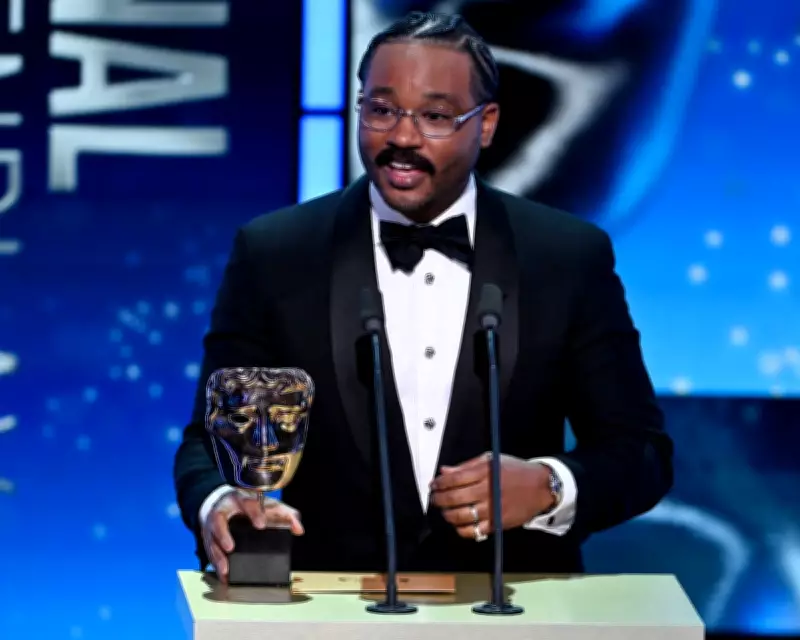
The 2026 Bafta awards ceremony showcased significant strides in representation, with Ryan Coogler becoming the first black winner of the original screenplay award for his film Sinners. This historic moment, however, was overshadowed by a controversial broadcasting decision that has sparked widespread debate within the film industry and beyond.
Unedited Incident Mars Celebration
During the live broadcast, Bafta faced criticism for not editing out an incident where Tourette syndrome campaigner John Davidson involuntarily shouted the N-word while black actors Michael B Jordan and Delroy Lindo were presenting an award. This decision appeared particularly inconsistent given that producers had utilized the two-hour time delay to remove other controversial moments, including Akinola Davies Jr's "Free Palestine!" exclamation and Alan Cumming's political commentary about Zootropolis 2.
The broadcasting choice has raised questions about editorial judgment and sensitivity, especially considering the organization's recent efforts to address diversity concerns following the #BaftasSoWhite controversy that peaked in 2020.

Diversity Milestones Achieved
Despite the controversy, the ceremony marked several important diversity breakthroughs. Wunmi Mosaku won supporting actress for Sinners, while My Father's Shadow received the outstanding British debut award. The victory of little-seen animated film Boong as best children's and family film demonstrated the effectiveness of Bafta's rule requiring voters to watch all nominees in a category before voting.
Perhaps most surprisingly, Robert Aramayo claimed the leading actor trophy over seven-time nominee Leonardo DiCaprio and favorite Timothée Chalamet for his performance in I Swear, which also won best casting. Aramayo's subsequent recognition as rising star by the public provided additional validation of the film's impact.
Structural Changes Showing Results
Bafta's comprehensive overhaul of rules, regulations, and membership demographics following the 2020 diversity crisis appears to be yielding results. The organization has implemented more rigorous voting requirements and expanded representation within its membership, though challenges remain at the shortlist stage where members still tend to favor established white male candidates.
Backstage interventions have proven effective in achieving gender parity in the director category during longlisting, though final voting outcomes continue to reflect broader industry patterns. The organization's credibility has grown through these substantive changes, even as it faces criticism for specific decisions like the broadcast editing choice.
Industry Response and Moving Forward
Michael B Jordan and Delroy Lindo have responded with grace to the broadcast incident, while Robert Aramayo's acceptance speech emphasized understanding and compassion toward Davidson's condition. The incident has prompted renewed discussion about representation, with some noting that even acclaimed actors like Denzel Washington have never received Bafta nominations.
As Bafta continues its diversity journey, the organization faces the challenge of balancing Hollywood relationships with its commitment to meaningful change. The 2026 ceremony demonstrated both progress and persistent challenges, highlighting the complex path toward genuine inclusion in the film industry.