Bafta 2026: A Night of Unpredictable Drama and Historic Upsets
The 2026 British Academy Film Awards will be remembered not for predictable victories but for chaotic moments that blurred lines between neurological conditions, racial sensitivity, and royal intrigue. What began as a celebration of cinematic achievement quickly transformed into a complex examination of tolerance, surprise appearances, and award show politics.
The Unforeseen Incident: Tourette's Meets Racial Sensitivity
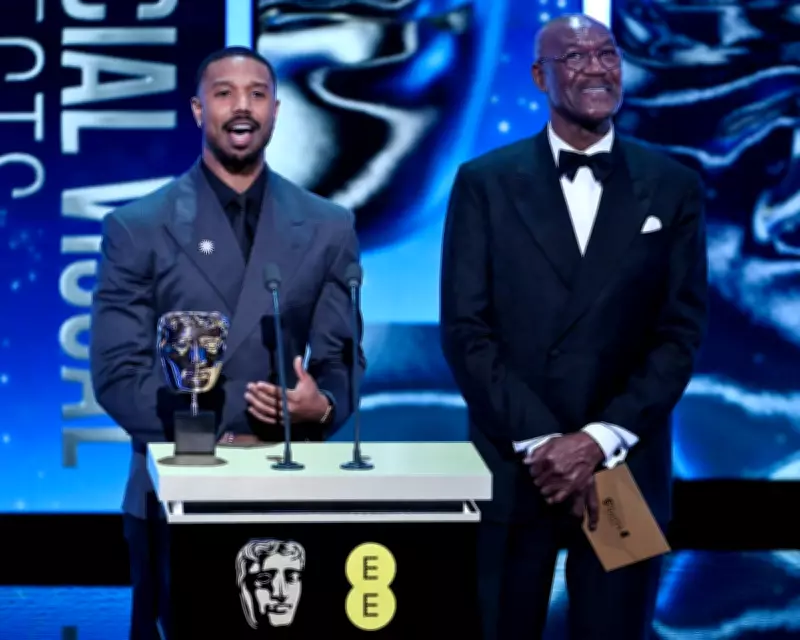
During the presentation of the Special Visual Effects award, presenters Michael B Jordan and Delroy Lindo found themselves at the center of an uncomfortable situation when John Davidson, a Tourette's activist whose life inspired nominated film I Swear, shouted a racial slur from the audience. The moment created immediate confusion for television viewers and online audiences until host Alan Cumming intervened to provide context about Davidson's neurological condition.
This incident highlighted the delicate intersection between medical conditions deserving of understanding and the painful realities of racial language. While undoubtedly hurtful to Jordan and Lindo, the broader response demonstrated a prevailing sense of tolerance, even as the situation exposed the complex challenges of public events accommodating diverse needs and sensitivities.

The Stunning Best Actor Victory
In what many are calling the mother of all upsets, relatively unknown actor Robert Aramayo claimed the Leading Actor Bafta for his performance in I Swear, defeating established Hollywood stars including Leonardo DiCaprio, Timothée Chalamet, and Ethan Hawke. Aramayo himself expressed disbelief at taking the podium ahead of such celebrated actors, marking the most unexpected Best Actor win since Haing S. Ngor's victory for The Killing Fields in the mid-1980s.
The triumph was particularly surprising given that pre-awards speculation had centered on British hopeful The Ballad of Wallis Island, which ultimately left empty-handed. Aramayo's victory represented a significant moment for British cinema and demonstrated Bafta's willingness to recognize emerging talent over established names.
Royal Surprise Amid Family Controversy
Adding to the evening's unpredictability, Prince William made an unexpected appearance alongside his wife just three days after his uncle's arrest for misconduct in public office. The royal couple arrived in formal attire despite no prior announcement of their attendance, sparking speculation about whether this constituted a strategic public relations move during a period of institutional uncertainty for the monarchy.
William skillfully avoided shouted questions about his uncle while navigating what many observers described as an awkward introduction to a studio legend he appeared unfamiliar with until moments before his speech. The prince's presence generated significant sympathy from portions of the audience, temporarily shifting focus from family controversies to ceremonial duties.
Historic Snubs and Category Surprises
The evening delivered several notable snubs, most dramatically when Marty Supreme became only the third film in Bafta history to receive 11 nominations without winning a single award. This placed Josh Safdie's comedy in the unfortunate company of Women in Love (1969) and Finding Neverland (2004), both of which managed to secure single Oscar victories despite their Bafta shutouts.
In the Supporting Actor category, favorite Stellan Skarsgård suffered a surprising defeat to Sean Penn, who wasn't present to accept his award for One Battle After Another. Skarsgård, who attended the ceremony despite recent health challenges, appeared visibly disappointed as presenters had heavily hinted at his anticipated victory during their introductory remarks.
Broadcasting Chaos and Hosting Challenges
The traditional two-hour delay between the live ceremony and television broadcast created increasing frustration in the social media age, with winners becoming public knowledge long before their official announcement on television. This led to chaotic coverage approaches across media outlets, with some organizations reporting live from the event while others maintained the delayed television schedule.

Host Alan Cumming faced initial criticism on social media for his opening monologue but recovered with a well-received skit involving British snack foods and concluded with a heartfelt speech about diversity. His performance highlighted ongoing challenges in finding hosts who can balance comedic delivery with the ceremonial gravitas required for major awards shows.
Oscar Implications and British Pride
While Hollywood trade publications immediately analyzed Bafta results for Oscar predictions, this year's awards demonstrated particularly strong British bias. Robert Aramayo's victory and Wunmi Mosaku's recognition reflected national pride rather than clear Oscar indicators, while Jessie Buckley's expected Leading Actress win maintained her position as an Oscar frontrunner despite visible nerves during her acceptance speech.
Paul Thomas Anderson's One Battle After Another emerged as the night's big winner, claiming Best Film, Best Adapted Screenplay, and Best Director honors. However, its distinctly British appeal may not translate directly to Oscar success, highlighting the growing divergence between Bafta preferences and Academy tastes since the awards calendar shifted at the millennium's turn.
The 2026 Baftas ultimately served as a microcosm of contemporary awards culture—where medical conditions intersect with social sensitivities, royal appearances generate political speculation, and underdog victories challenge established hierarchies. Beyond the trophies and speeches, the evening revealed much about tolerance, national identity, and the unpredictable nature of live television in the digital age.