The European Broadcasting Union (EBU) has announced that broadcasters from countries involved in an “armed conflict” or a “sensitive geopolitical situation” will no longer be eligible to host the Eurovision Song Contest. The rule change, confirmed after feedback from participating broadcasters, aims to provide greater clarity for artists and production staff and ensure the contest offers a “safe and welcoming environment” for all involved.
New Hosting Eligibility Rules
Traditionally, the winning country’s broadcaster hosts the following year’s contest. The 2027 event is scheduled to take place in Bulgaria, following singer Dara’s victory for the country in May. Under the new rules, if the winning country is deemed ineligible due to armed conflict or a sensitive geopolitical situation, the EBU will select an alternative host broadcaster to “assume all rights, obligations and liabilities associated with hosting the contest.” The alternative host will not be required to stage the event on behalf of another member.
For situations outside armed conflict but still potentially difficult, an independent security body will assess the winning country to help the EBU determine whether it can safely host. This adds a layer of scrutiny to the hosting decision, aiming to protect artists and staff.
Impact of Recent Boycotts and Viewership
Eurovision has faced protests in recent years over the participation of Israel, a competitor since 1973. This year, five longtime participants—Spain, the Netherlands, Ireland, Iceland, and Slovenia—boycotted the competition in Vienna after organisers declined to exclude Israel over its conduct in the war against Hamas in Gaza and violence against Palestinians in the West Bank. Israel claimed second place in this year’s contest, matching its 2025 result. It remains unclear if or when the boycotting countries will rejoin.
The 2026 Eurovision final was watched by 130 million viewers worldwide, down from 160 million in 2025, according to organisers. Despite the financial and viewership blows from the boycott, the contest is set for expansion. A spin-off, Eurovision Song Contest Asia, is due to take place in Bangkok in November. Last month, Canada was announced as a new participant, becoming the first since Australia in 2015. Participation is open to all EBU members, not just geographically European countries; Canada recently joined the EBU, while Australia is an associate member.
Other Rule Changes and Context
The rule changes also increase the minimum age for artists from 16 to 18. Eurovision Song Contest director Martin Green said: “The Eurovision song contest is constantly evolving and our annual review of the rules is an important part of making sure the contest remains fair, transparent and consistent for all those who participate, including the millions who engage with the event globally. Guided, as always, by feedback from our members, we have clarified and strengthened several areas for 2027. These changes are about giving everyone involved greater clarity, protecting artists and ensuring the contest continues to provide a safe and welcoming environment, while preserving the spirit and integrity that make the Eurovision song contest so special.”
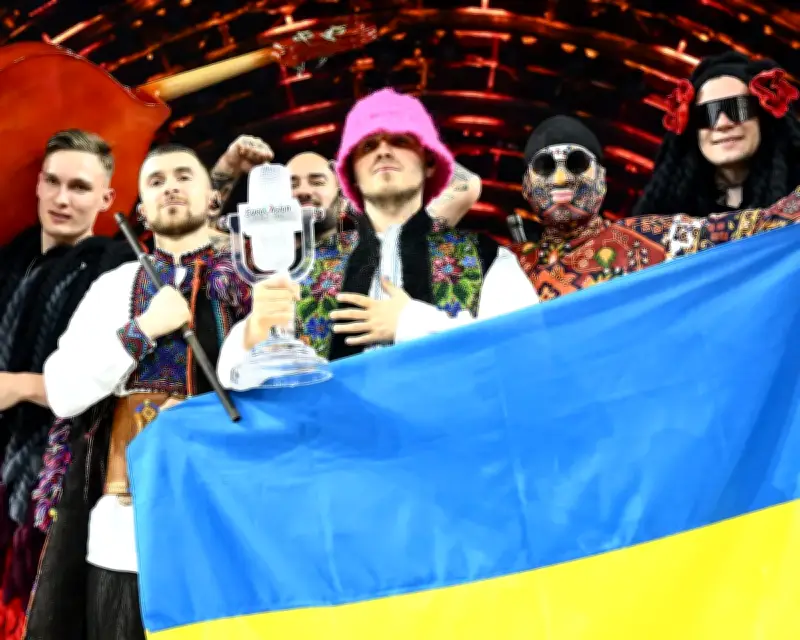
The 2023 contest was held in Liverpool after Ukraine’s win the previous year, as Russia’s war made it impossible to begin the 12 months of preparation needed. This new rule formalises such decisions, ensuring that future hosts are in a position to provide a secure event.