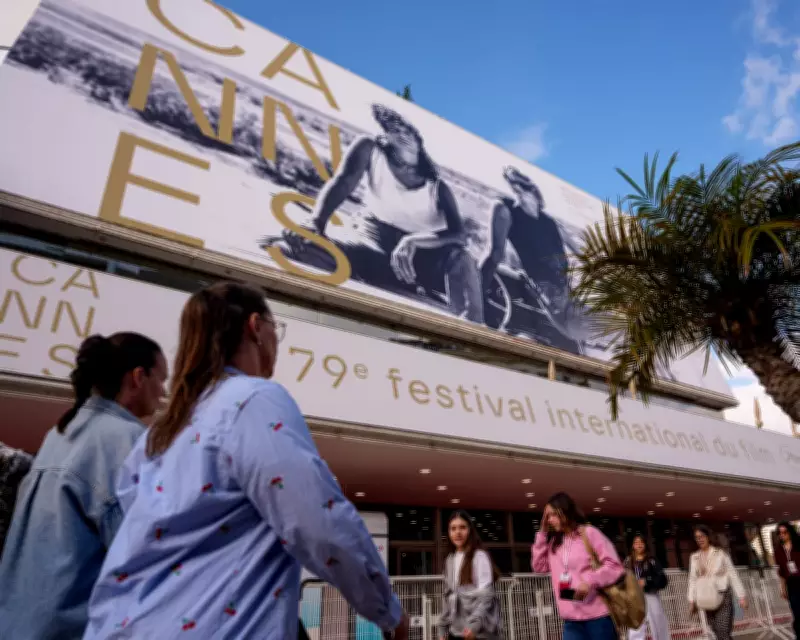
The Cannes Film Festival has long been synonymous with Hollywood glamour, but the 2026 edition marks a significant shift. Opening on Tuesday and running until 23 May, the festival features a near-total absence of major American studio films, with only two US entries competing for the Palme d'Or, both majority-financed outside the country.
Hollywood's Retreat from the Croisette
In previous years, Cannes hosted premieres for blockbusters like Mission: Impossible – the Final Reckoning, Top Gun: Maverick, and Indiana Jones and the Dial of Destiny. This year, no major studio tent-pole is on the slate. Scott Roxborough, European bureau chief of the Hollywood Reporter, noted: “There is no big American movie this year. Usually there’s at least one major title premiering here or using the festival to launch its European release.”
Festival director Thierry Frémaux attributes the change to broader industry trends: “Quantitatively, studios are producing fewer blockbusters and fewer auteur films than in the past.” Roxborough adds that studios have grown wary of the risks of festival premieres, where a bad review can go viral instantly, as happened with Indiana Jones and the Dial of Destiny in 2023. Political controversies at recent festivals, such as the Berlinale, have also made studios cautious.
International Auteurs Shine
This year’s competition lineup is a return to the international auteur-driven cinema that built Cannes’ reputation. Pedro Almodóvar returns with Bitter Christmas, about filmmakers who cannibalize each other’s lives for their work. Iranian Oscar winner Asghar Farhadi brings Parallel Tales starring Isabelle Huppert and Vincent Cassel. Hungarian director László Nemes presents the French resistance drama Moulin, Romanian Cristian Mungiu offers Fjord set in Norway, and exiled Russian auteur Andrey Zvyagintsev premieres the political thriller Minotaur.
Other highlights include Paweł Pawlikowski’s Fatherland, set around Thomas Mann’s return from exile, starring Sandra Hüller, and new films from Japanese masters Hirokazu Kore-eda and Ryusuke Hamaguchi. The jury, led by South Korean director Park Chan-wook and including Demi Moore and Chloé Zhao, reflects the festival’s global outlook.
Audience Shift
Chris Cotonou, deputy editor of A Rabbit’s Foot magazine, said: “I’ve never been more excited for a Cannes lineup. Younger audiences, shaped by platforms like Letterboxd and Mubi, are more drawn to international directors like Hamaguchi than to traditional Hollywood names. Perhaps the festival realizes it doesn’t need the studios anymore.”
British Cinema's Muted Presence
British cinema also has a quiet year, with no UK directors in main competition. Clio Barnard premieres I See Buildings Fall Like Lightning in Directors’ Fortnight, and Yemeni-Scottish filmmaker Sara Ishaq brings The Station to Critics’ Week. Barnaby Thompson’s documentary Maverick: The Epic Adventures of David Lean screens in Cannes Classics. The UK is represented through the BFI and British Council “Great 8” showcase.
Mia Bays, director of the BFI Filmmaking Fund, noted: “On the back of Berlin being one of the strongest for UK films in many years, and looking forward to autumn festivals, there is much to celebrate.”
Impact on Cannes' Reputation
Despite Hollywood’s retreat, Cannes remains the industry’s foremost tastemaker. Films launched here, like Anora and last year’s non-English titles Sentimental Value, The Secret Agent, and It Was Just an Accident, dominate the awards calendar long after the festival ends.