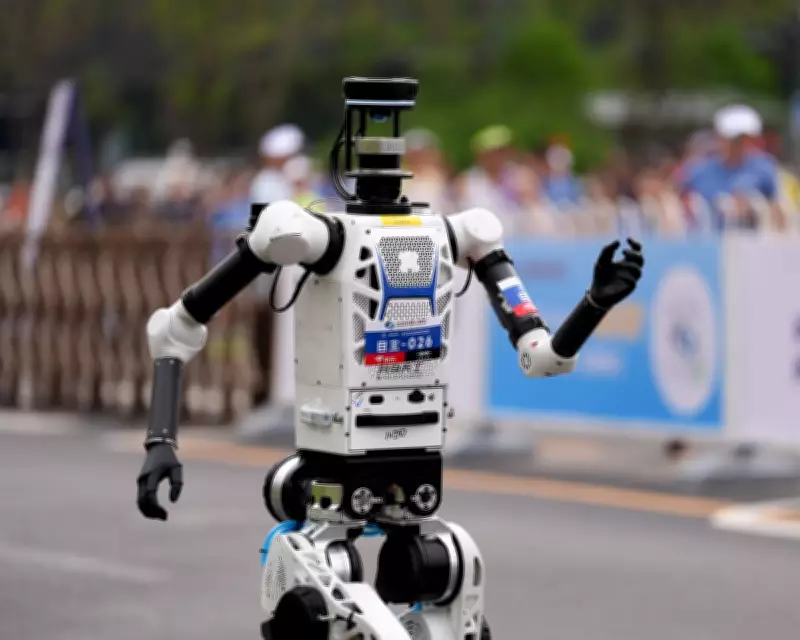
The Rise of Robo-Athletes in Modern Sports
Artificial intelligence and robotics are rapidly changing the landscape of sports, introducing a new era of competition where machines not only assist but also compete alongside humans. From robotic training partners to fully autonomous athletes, the integration of technology is reshaping how we play, watch, and understand sports.
Training and Performance Enhancement
Robots are increasingly used as training tools, providing consistent and precise practice partners. For instance, tennis-serving robots can simulate various serves, allowing players to hone their returns. In basketball, robotic arms can shoot thousands of balls with perfect form, helping players analyze and improve their technique. These AI-driven devices collect data on performance, offering insights that were previously impossible to obtain.
Autonomous Competitors
Perhaps the most futuristic development is the emergence of robots that compete independently. Events like the RoboCup, where teams of robots play soccer, showcase the potential for fully autonomous sports. These competitions push the boundaries of AI, requiring real-time decision-making, teamwork, and adaptability. While still far from human-level performance, the progress is remarkable.

Ethical and Competitive Questions
The rise of robo-athletes raises significant ethical questions. Should robots be allowed to compete in human sports? Could they ever be considered athletes? Some argue that robots bring an unfair advantage due to their precision and endurance, while others see them as a natural evolution of technology in sports. The debate extends to issues of safety, as robots can potentially cause injuries if not properly designed.
Impact on Human Athletes
For human athletes, the integration of robots offers both opportunities and challenges. On one hand, robots can serve as tireless trainers, helping athletes reach new heights. On the other hand, there is a fear that robots might replace human jobs, from referees to coaches. However, many experts believe that robots will augment rather than replace human roles, creating new possibilities for collaboration.
Future Prospects
As technology continues to advance, the line between human and robotic athletes may blur. We might see hybrid competitions where humans and robots work together, or entirely new sports designed for robots. The key will be to ensure that the spirit of competition and the values of sportsmanship remain intact. The future of sports is undoubtedly intertwined with AI and robotics, promising an exciting journey ahead.