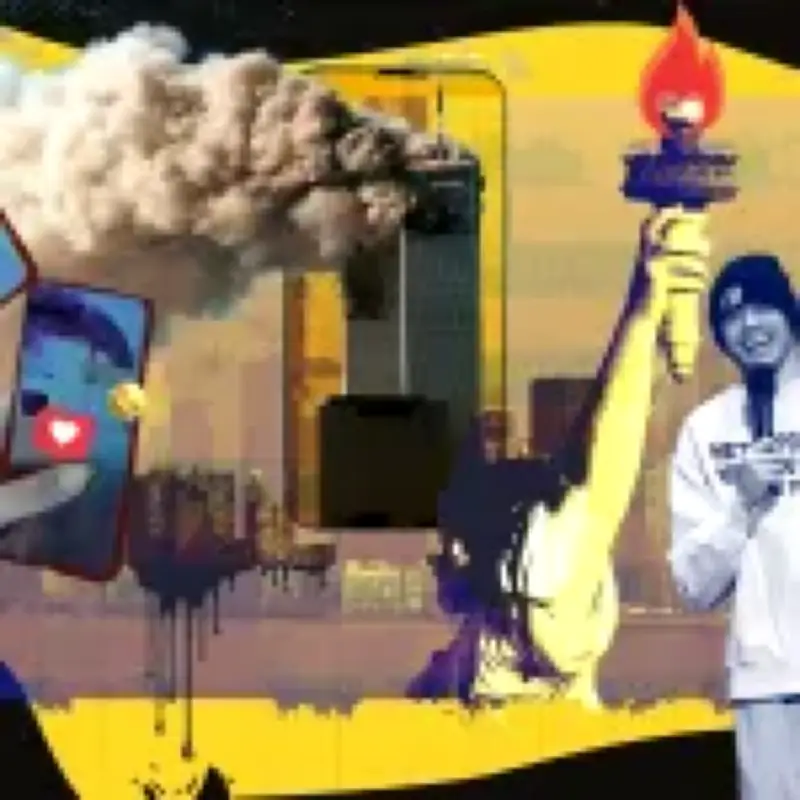
For many in their late teens and early twenties, the September 11 attacks are history, not memory. Many were not yet born when the Twin Towers fell, and some first encountered the attacks through memes, television shows, or social media before learning about them in a classroom. That distance helps explain why one of the defining tragedies of the 21st century has become part of the internet’s dark comic vocabulary.
First Encounters Through Pop Culture and Memes
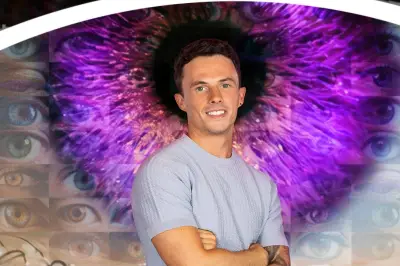
Naz, 23, says his first introduction to the deadliest terror attack in modern history was through the animated series Family Guy. Creator Seth MacFarlane has often referenced 9/11 in the show. MacFarlane narrowly avoided being on American Airlines Flight 11, which was hijacked and flown into the North Tower. In a similar vein, comedian Pete Davidson has incorporated 9/11 jokes into his stand-up routines. His father was a firefighter who lost his life when the Twin Towers collapsed.
Talk to someone who is Gen Z and you’ll find that it is not just the jokes that have desensitised them to the horrors of September 11. Naz has another perspective, something many of the older generation can empathise with – it all seemed so unreal. He tells Metro: ‘Planes being flown into skyscrapers is such a surreal image that feels more akin to a film than it does to a real-world tragedy – especially to a generation that grew up seeing similar imagery in movies, TV and video games before they ever learned about 9/11 as history.’
Social Media and Algorithmic Amplification
Then there is social media, where jokes, conspiracy theories and memes about 9/11 can circulate far beyond niche online communities. A 25-year-old American posting on Reddit offered another explanation: repeated exposure. He said: ‘We would watch the footage over and over every year in my school, and the teacher would monologue about how scary that day was for them. Except no one in this school had any connection to anyone in NYC… After several years of the same routine it becomes kinda funny. The older generation was so focused on making it seem solemn and serious that it bent over to the other direction. They oversold it.’
For Alfie, 21, this was par for the course growing up. ‘My first introduction to 9/11 was as a meme on social media,’ he tells Metro. ‘Gen Zs can make a joke about any tragic event as many comments on social media are made by anonymous accounts.’
Of course, edgy or pitch-black humour is nothing new, particularly online. Almost immediately after the first plane went into the Twin Towers, users of the infamous SomethingAwful forum were sharing jokes. At the time, such jokes were largely confined to niche online communities. In today’s world of TikTok and Instagram, you have little control over when you’re served on your feed.
Algorithms Reward Attention, Even Outrage
Kate Miltner, lecturer in Data, AI and Society at the University of Sheffield, says: ‘Algorithms reward attention, regardless of whether it stems from outrage or amusement. It just sees “people are clicking on this”. If you react, your feed is flooded with more. People could just be trying to create extreme content in a bid to monetise responses.’
The internet culture researcher, who was in New York when the attack happened, recalls receiving chain emails soon after spreading racist misinformation, disinformation and conspiracy theories. Miltner argues that internet humour and conspiracy culture can sometimes overlap. In 2015, Rolling Stone reported a surge in online usage of the terms ‘jet fuel can’t melt steel beams’ and ‘Bush did 9/11.’
‘The undermining of truth is a very dominant political logic in the US right now,’ she said. ‘And 9/11 is part of historical iconography. While genuine conspiracy theorists share sincere images, for Gen Z, it only exists as embedded in the grammar of the internet, and separated from its actual meaning.’
Shifting Public Attitudes and Education
Public attitudes towards 9/11 humour have also shifted. Comedian Gilbert Gottfried was booed for joking about the attacks just weeks after they happened. Years later, references by comics such as Pete Davidson and television writers such as Seth MacFarlane are far less likely to provoke outrage.
For Naz and Alfie, having further education about September 11 helps them understand the horrors of it. ‘It’s not rare for someone my age to make a joke about it but I do find it quite crude now,’ admits Naz. Alfie agrees: ‘Having watched documentaries on what happened, seeing so many lives were lost and how so many families were impacted makes me quite emotional. But the internet does have quite a dark sense of humour. In the age of social media, anything is fair game.’