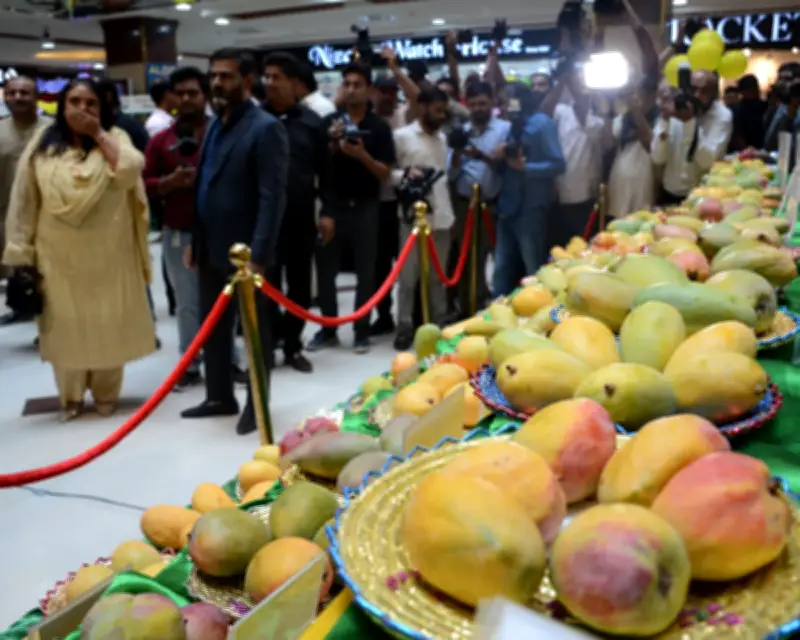
In the midst of the Australian winter, a sweet and fragrant symbol of South Asian summer is bringing together communities from Pakistan and India, offering a taste of home and a bridge across historical divides.
The mango as a cultural unifier
Mangoes, particularly varieties like the Alphonso, Sindhri, and Chaunsa, are deeply embedded in the culinary and cultural traditions of South Asia. For diasporic communities in Australia, these fruits evoke memories of monsoon seasons, family gatherings, and shared heritage. Despite the political tensions between India and Pakistan, the love for mangoes transcends borders, creating a common ground for celebration and connection.
According to community leaders, mango festivals and import events have become platforms where people from both nations come together, often setting aside differences to enjoy the fruit. "When you share a mango, you're sharing a piece of your history, your childhood, your joy," said Ayesha Khan, a Pakistani-Australian community organizer in Sydney. "It's a reminder that our cultures are more similar than different."
Growing demand and supply
The demand for South Asian mangoes in Australia has surged in recent years. Importers report that shipments of mangoes from Pakistan and India have increased by 30% over the past five years, with the 2025-2026 season seeing record volumes. The fruit is typically airfreighted to maintain freshness, arriving in Australian markets during the local winter months (June to August), which coincides with the South Asian summer harvest.
"Our customers are not just from the subcontinent; Australians of all backgrounds are discovering the unique taste of these mangoes," said Raj Patel, a Melbourne-based fruit importer. "It's become a seasonal event, with people eagerly awaiting the first shipments."
Community events and cultural exchange
Community organizations have capitalized on this trend by hosting mango-tasting events, cooking demonstrations, and cultural festivals. In Brisbane, the annual "Mango Mela" attracts thousands, featuring music, dance, and, of course, mango-based dishes from both Indian and Pakistani cuisines. "It's a celebration of our shared love for this fruit," said organizer Priya Sharma. "We have stalls from both sides, and people come together to enjoy the flavors and each other's company."
These events also serve as a platform for dialogue and understanding. "Food has a unique power to break down barriers," said Dr. Imran Ali, a sociologist at the University of Sydney. "When you share a meal, especially something as nostalgic as a mango, it creates a sense of intimacy and commonality that can transcend political differences."
Economic and social impact
The mango trade also has economic implications. It supports farmers and exporters in South Asia and provides a lucrative niche for Australian importers. Moreover, it fosters a sense of belonging for diaspora communities, helping them maintain cultural ties while integrating into Australian society.
"For many of us, mangoes are more than just fruit; they are a connection to our roots," said Khan. "They remind us of where we come from and who we are. And when we share them with others, we share that identity."
As the Australian winter sets in, the arrival of South Asian mangoes offers a sweet respite and a powerful reminder of the bonds that unite people across borders.