London's Muslim community has quietly cultivated a remarkable Ramadan movement that champions inclusivity, diversity, and modern expressions of faith. This grassroots initiative, which blossomed last year, now faces a significant challenge as one of its central venues has withdrawn support, casting uncertainty over this year's gatherings.
A New Model of Community Building
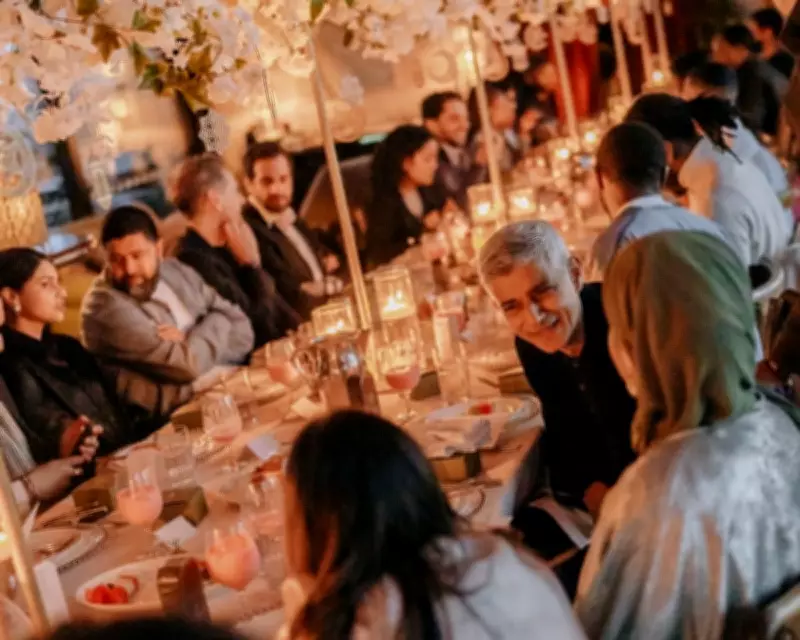
During a period marked by heightened Islamophobia and polarised public discourse, hundreds of Muslims across the capital came together last Ramadan to create something extraordinary. They organised iftars – the evening meals that break the daily fast – that reflected progressive values: female-led, queer-friendly, and genuinely diverse. These gatherings operated outside traditional mosque settings, creating judgment-free zones that prioritised genuine connection over performative piety.
Vibrant Spaces and Creative Expressions
The movement manifested through numerous innovative projects across London. Ramadan Space, grown organically through WhatsApp groups, secured a Shoreditch venue that hosted sold-out events throughout the holy month. The Inclusive Mosque Initiative held feminist prayers in a south London church, while Shukr brought together Muslim creatives at 180 The Strand, with London Mayor Sadiq Khan among attendees.
Other notable initiatives included:
- Faith & Flow: Wellness workshops combining movement with meditation
- Palestine House: A hub for political solidarity and spiritual practices
- Hulm Club: A Muslim coworking space for tech professionals in Farringdon
- Rumi's Cave: A northwest London community hub feeding vulnerable residents
- Karrom Club and Kismet Cafe: New interfaith venues born from this energy
The Threat to Third Spaces
The recent news that Ramadan Space's venue has pulled out for this year represents a serious blow to this burgeoning movement. These third spaces – neither home nor workplace – provide crucial opportunities for spontaneous connection and cultural exchange. They represent exactly the kind of social infrastructure that addresses contemporary issues of loneliness, polarisation, and mental health challenges.
Why This Matters Beyond the Muslim Community
This isn't merely a logistical problem affecting a minority group. The threatened model represents a form of belonging that many Londoners from all backgrounds seek. In a city that can often feel transactional and harsh, these spaces provide the social glue that fosters community resilience and cross-cultural understanding.
As one hijabi student described the experience, it felt "like oxygen" during a period when it was difficult to come up for air. This sentiment captures the profound importance of these gatherings for participants who are redefining what Ramadan means for a new generation.
Looking Forward
With Ramadan approaching rapidly, the organising committee behind Ramadan Space is urgently seeking alternative venues. Their struggle highlights a broader challenge facing London's diverse communities: how to preserve and protect the physical spaces where meaningful connections can flourish.
This movement demonstrates that community doesn't simply happen – it's consciously created through deliberate choices and sustained effort. As London continues to evolve, supporting such grassroots initiatives becomes increasingly vital for maintaining the city's social fabric and cultural dynamism.