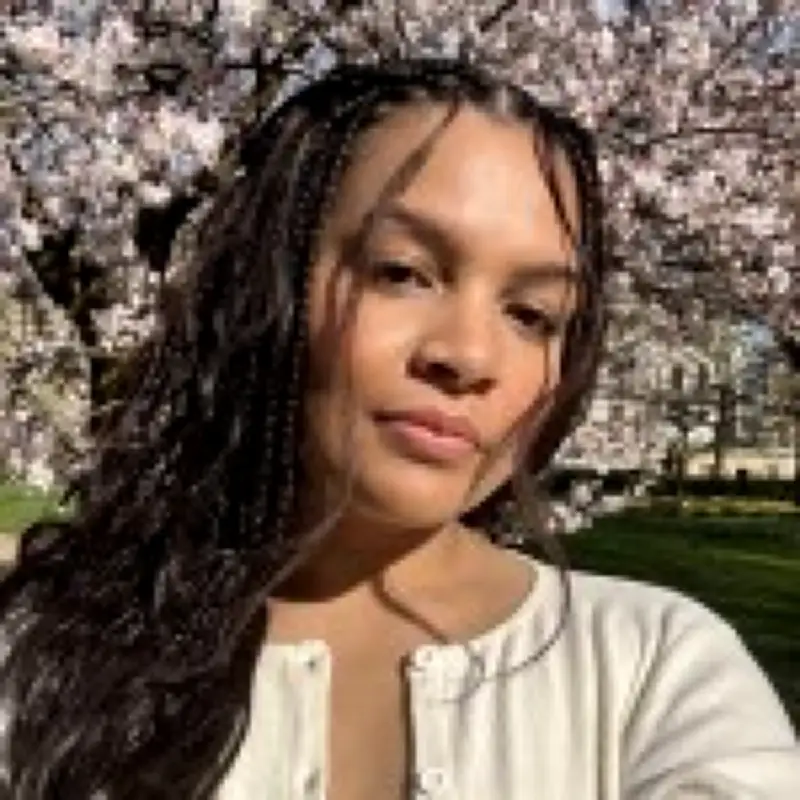
Nicole Botha was 16 years old when a casual comment from her dance teacher revealed a truth that would redefine her entire identity. Performing in an Afrobeats routine, she was told the group featured all the Black dancers in the yeargroup—the first time anyone had ever referred to her as Black. In that moment, suspicions about her heritage were confirmed, and her world changed forever.
Adoption and Early Life in Kent
Born in South Africa in 1997, Botha was adopted as a newborn. Her birth mother, who had another child 18 months earlier, approached the adoption agency weeks before her due date. According to the paperwork, both parents were white Afrikaans—a fact that later proved incorrect. Growing up in the predominantly white Kent countryside, Botha never questioned her race. She didn't face racial tensions and didn't identify with Black people on TV, though in hindsight, the signs were clear.
Struggles with her hair and makeup hinted at a different reality. At 12, she cut a matted chunk of hair with scissors. At 13 and 14, photos show foundation that mismatched her skin tone. By 15, she began questioning why her hair was coily and curly, feeling 'other' and disliking her curls because she couldn't copy friends' hairstyles.
Searching for Answers
Botha asked her adoptive parents about her heritage. Her father had found her birth mother on Facebook years earlier—a white, blonde woman. The man listed as her birth father had fair skin and mousey brown hair, but his son looked like his twin. Despite her mother's initial confidence in the adoption agency, the family eventually agreed the documentation was wrong.
By the time of the dance class, Botha was almost certain she was Black. The teacher's confirmation provided vindication but left unanswered questions about the mistake. Her then-boyfriend urged her to take a DNA test, handing her an Ancestry DNA kit in a cafe. She swabbed her mouth on the spot, hands shaking with adrenaline.
DNA Results and Emotional Impact
Three to four weeks later, the results arrived: her father is Black, of Bantu Peoples heritage. 'You're not insane,' she thought, flooded with relief. Her parents accepted the results. Her father had suspected but stayed silent to avoid upsetting her mother, fearing a sense of betrayal from the birth mother and agency.
The confirmation brought satisfaction but also frustration at having missed nearly two decades of connection to Black culture. Memories took on new meaning: attending a Black friend's Gospel church, where she was warmly welcomed—likely because others assumed she had Black parents. She didn't know where to turn, wondering if she should join a Gospel church or get braids.
Navigating a New Identity
Her parents supported her with books on Black culture and hair management. She gravitated toward Black girls in her yeargroup, treading a fine line between conversation and learning. Now 29, Botha is confident in her identity. She has a three-year-old daughter who is Black with a Black father, and helping with her hair feels healing—free from the traumatic experiences Botha endured.
She still doesn't know why her birth father was misidentified on the adoption papers, whether by mistake or deliberately. She considers reaching out to her birth mother but feels no emotional connection, viewing her adoptive mother as her real mother. 'It’s one I’d love to know the answer to before I die,' she says, but she doesn't feel a burning need to meet her birth father. 'I know who I am now, and I have all the family I could ever need; and for that, I feel immensely grateful.'