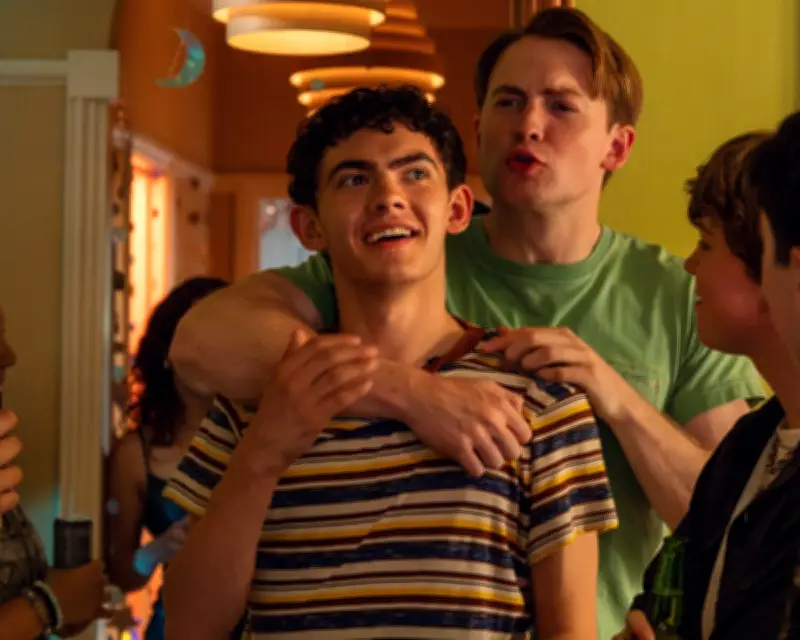
The end of Heartstopper marks a bittersweet loss for queer representation, as the Netflix series concluded after three seasons and a film-length finale. Adapted from Alice Oseman's graphic novel series, which sold over 10 million copies worldwide—including 1.3 million in the UK—the show turned leads Kit Connor and Joe Locke into household names and amassed tens of millions of views.
Cultural Impact Beyond Viewership
At a queer and feminist bookshop in Sheffield, young people flock to copies of Oseman's books, often photographing the window display of Nick and Charlie. 'I see young queer people’s faces light up when they see we have the book in stock,' writes Alim Kheraj, even if they already own a copy. Similarly, during a 2023 talk at a London secondary school LGBTQ+ group, students eagerly discussed Heartstopper after learning Kheraj had interviewed Oseman, highlighting the deep connection they felt to the positive representation.
Political Edge Amid Wholesome Reputation
Despite its syrupy label, Heartstopper maintained a political edge. In the third season, trans character Elle (Yasmin Finney) faces a media bait-and-switch when a radio host tries to drag her into a toxic debate. In the film conclusion, Heartstopper Forever, Elle directly addresses the UK ban on hormone blockers for young trans people, stating: 'If I was a few years younger, I wouldn’t even have been able to take hormone blockers legally.' The series also tackled mental health, self-harm, and disordered eating.
Balancing Realism and Hope
Oseman explained her intent: 'It was always my intention with Heartstopper to find the middle line, the balancing point, between showing these issues in a realistic way while also keeping that tone of, like, “It’s going to be OK and things will work out.”' While some critics called it sanitized, the show's joyful escapism offers a counterpoint to the messiness of growing up queer, as depicted in shows like Skins.
Rising Need for Queer Stories
According to Glaad's annual study, LGBTQ+ inclusion in film hit a three-year low in 2024, with a continued decline in queer characters on screen since 2021. This coincides with rising anti-LGBTQ+ rhetoric, hate crimes, and rollbacks on trans rights globally. A 2024 Trevor Project study found that most LGBTQ+ young people reported symptoms of depression, anxiety, or self-harm. 'Young queer people deserve realistic portrayals, but they also deserve joyful escapism,' Kheraj emphasizes.
Legacy and Future
Connor called Heartstopper 'the biggest thing that will ever happen to any of us.' While Oseman considers writing for adults next, and Locke and Connor head to Hollywood, the need for joyful queer stories remains. Kheraj reflects on the 2023 school visit: 'I hope their enthusiasm for queer stories can be maintained and protected.' The end of Heartstopper, he concludes, would be a profound shame if young queer people lose out on the hope and reassurance such stories offer.