Getting engaged often sparks a vision of a transformed self for the wedding day. However, a growing number of brides are pushing back against the pressure to undergo costly and extensive beauty regimens, choosing instead to embrace their natural appearance.
The Pressure to Transform
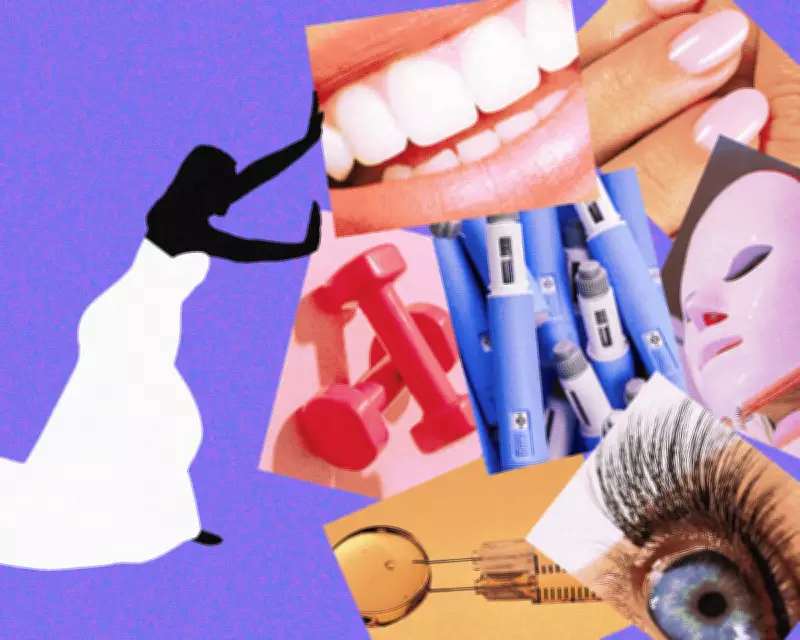
Social media inundates engaged individuals with recommendations for dieting, intense workout routines, laser treatments, and injectables. One woman reported spending $30,000 on her pre-wedding appearance, a figure that reflects the extreme end of a widespread phenomenon. A single session of BroadBand Light laser can cost $550, with microneedling adding $1,200, and these treatments are often sold in packages, making the financial burden substantial.
Many brides question who these efforts are for. As one bride put it, "Presumably, every attendee likes me, regardless of my skin luminosity or upper arm circumference." The idea of looking "mid, and happy" becomes an appealing alternative to the endless pursuit of perfection.
Stories of Resistance
Jackie Wegner, 29, faced inquiries about using GLP-1 weight-loss drugs before her Cape Cod wedding. Having dealt with an eating disorder, she chose to maintain her regular beauty routine and not attempt weight loss. "Why would I need to change?" she reasoned.
Natalie Craig, 34, actively curates a social life that decenters thinness. Despite shopping at plus-size-friendly bridal boutiques, she encountered an attendant who commented on her body. The rise of weight-loss drugs has made such rhetoric harder to avoid. She wonders if she will regret not losing weight in 30 years, but concludes, "That's so miserable. I just want to be exempt from that experience."
Julia van der Hoeven, 32, found TikTok brides "live-vlogging their injections into their faces," creating a sense of obligation. She eventually underwent Botox and filler but regretted a chemical peel that caused breakouts before her wedding. "I don't know if I looked as good as I was expecting," she admitted.
The Insecurity Industry
According to a Zola survey, nearly 80% of couples feel pressure to change their appearance before the wedding, spending an average of $1,100 on beauty and wellness. Critic Helen Grace calls this "the insecurity industry," a profit machine that convinces women their bodies are flawed. Philosopher Heather Widdows argues in Perfect Me that beauty has become an "ethical ideal," where appearance signals character and worth.
Choosing Self-Acceptance
Molly Scullion, 30, initially felt guilt about not altering her body for her wedding. After stepping away from social media, she decided, "I don't owe anyone anything except for myself on my wedding day." She opted for facials and a spray tan but did not worry about her body shape. On the day, she was happy she let go of expectations and could be present.
Scullion noted that the expense of the wedding adds pressure to look perfect. Van der Hoeven echoed this, saying people want to show future generations beautiful photos. Yet, the pursuit of perfection can backfire, as with her chemical peel mishap.
Widdows acknowledges that rejecting beauty standards is not easy, as failing to conform carries social and internal costs. However, Craig, marrying this September, wishes for more self-compassion: "I think we diminish it all by trying to turn ourselves into something different."
Wegner, looking back at her wedding photos, is content: "I look like me. I felt so beautiful. I felt like myself."