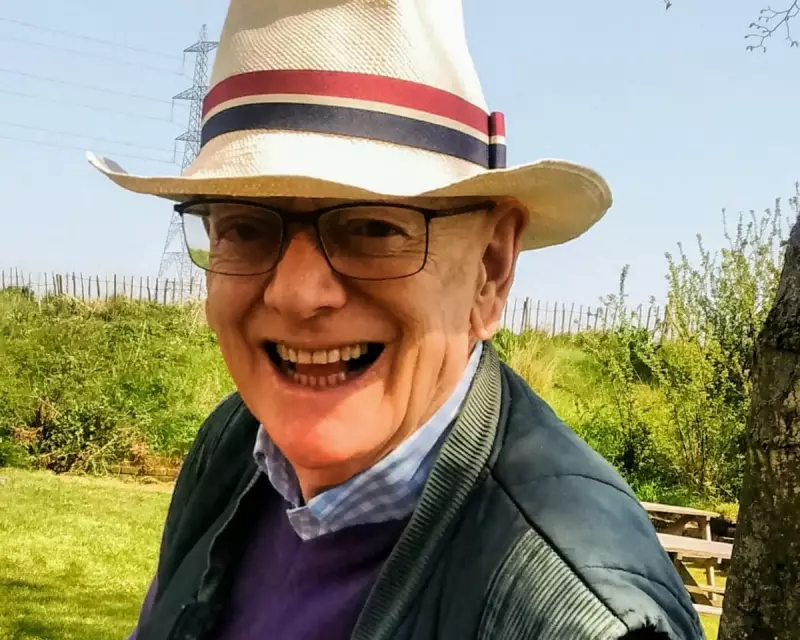
The world of British journalism has lost one of its most respected and pioneering figures with the death of John Radcliffe at the age of 88. The broadcaster, best known for his decades of work on flagship programmes for both the BBC and ITV, passed away on 22 December 2024 after a short illness. His career spanned a transformative era in television news and current affairs, leaving an indelible mark on the industry.
A Formative Career in Groundbreaking Journalism
John Radcliffe's journey into broadcasting began after national service and studies at Oxford. He joined the BBC as a news trainee in 1961, a time when television was rapidly becoming the dominant news medium. His early work saw him reporting from the front lines of major stories, including the Aberfan disaster of 1966, where his sensitive and authoritative coverage demonstrated a maturity beyond his years.
His big break came with his move to ITV's World in Action in 1968. This programme was renowned for its fearless investigative journalism, and Radcliffe thrived in its demanding environment. He quickly rose to become the programme's editor, overseeing a team that produced hard-hitting reports which often held power to account. Under his leadership, World in Action cemented its reputation as a cornerstone of British democratic scrutiny.
Master of the Political Interview and BBC Ten O'Clock News
In 1976, Radcliffe returned to the BBC, where he would become a household name as a presenter on the BBC's Nine O'Clock News. He was later a founding presenter of the Ten O'Clock News when it launched in 2000. His style was defined by a calm authority and a piercing intellect. He possessed a rare talent for the political interview, conducting memorable encounters with some of the most significant figures of the late 20th century.
Among his most notable interviews were sit-downs with Prime Minister Margaret Thatcher and Labour leader Neil Kinnock. His preparation was meticulous, and his questioning was direct yet fair, designed to elicit clarity rather than create confrontation. Colleagues and viewers alike respected his unwavering commitment to journalistic integrity and his ability to explain complex issues with simplicity and depth.
Legacy of Integrity and Mentorship
Beyond his on-screen work, John Radcliffe was deeply committed to the craft and ethics of journalism. He served as the president of the Royal Television Society from 1997 to 1999, using his influence to champion high standards and support emerging talent. After stepping back from daily news presenting, he continued to contribute as a presenter on BBC Radio 4's The World Tonight and as a narrator for documentary series.
His personal life was centred on his family. He was married to his wife, Jane, for over six decades, and they had three children. Friends and former colleagues remember him not only for his professional brilliance but also for his warmth, wit, and generosity as a mentor. He guided a generation of journalists who would go on to shape the media landscape.
The passing of John Radcliffe marks the end of an era in British broadcasting. In a time of increasing noise and fragmentation in media, his career stands as a powerful testament to the values of rigorous investigation, clear communication, and impartiality. He was a journalist who believed profoundly in the public's right to know and dedicated his life to serving that principle with distinction and honour.