BBC Imposes Gag Order on Trump Corruption Claim
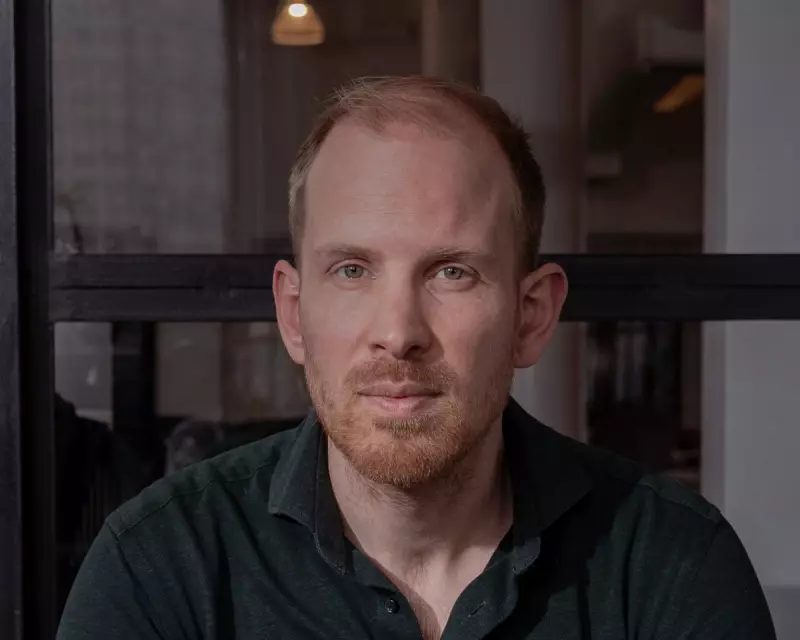
The BBC has instructed its presenters and journalists that they are forbidden from quoting a specific line removed from its prestigious Reith Lecture, where Dutch historian Rutger Bregman labelled Donald Trump as "the most openly corrupt president in American history".
Bregman, who was invited by the corporation to deliver the lecture, has publicly accused the BBC of cowardice following their decision to edit out the contentious statement. The broadcaster has stated the move was taken on the basis of legal advice, coming in the wake of a separate threat from Trump to sue the BBC for £3.8bn over a Panorama programme concerning his speech on the day of the Capitol riots in January 2021.
News Coverage Also Silenced
In a significant escalation, it has now been revealed that BBC news outlets have been directed not to repeat Bregman's corruption allegation against the former US president, even when reporting on the controversy surrounding the edit itself.
This internal directive was starkly demonstrated during an edition of BBC Radio 4's Media Show. While discussing Bregman's claims of censorship, presenter Ros Atkins stated, "Also for legal reasons, we're not able to tell you what that line is." A similar notice appeared on a BBC News website article, confirming the line would not be repeated on the same legal grounds.
Rutger Bregman responded that the BBC's refusal to even mention the comments in its news coverage points to a more profound institutional issue. "If BBC journalists are not allowed to mention a sentence in a story about censorship, then the problem is far bigger than one line in my lecture," he asserted. He described a dynamic of self-censorship driven by fear of those in power and called for full transparency on who made the decision and why.
Political and Editorial Fallout
The decision has drawn sharp criticism from politicians and former editors. Caroline Dinenage, the Conservative chair of the culture, media and sport select committee, labelled the situation a "damaging consequence" of the earlier Panorama edit. She expressed concern that the BBC now appears nervous about its reporting on the Trump administration.
Echoing this sentiment, former Financial Times editor Lionel Barber condemned the editing of the Reith Lecture as a "terrible, weak-kneed decision." He emphasised that while legal advice is a consideration, editors should have the final say, especially on a platform dedicated to opinion like the Reith Lectures.
The backdrop to this incident is the £3.8bn legal threat from Donald Trump concerning a Panorama programme that edited together two parts of a speech, creating a mistaken impression. While the BBC has apologised for this error, no lawsuit has been formally filed. However, the internal dispute over how to handle the Panorama matter led to the resignations of director general Tim Davie and BBC News chief Deborah Turness.
Dinenage also suggested that the ongoing chaos, of which the Trump edit forms a part, indicates a need for fundamental changes within the BBC's leadership to restore stability.