NGV's 'Mother' Exhibition: A Deep Dive into the Relentless Reality of Motherhood Through Art
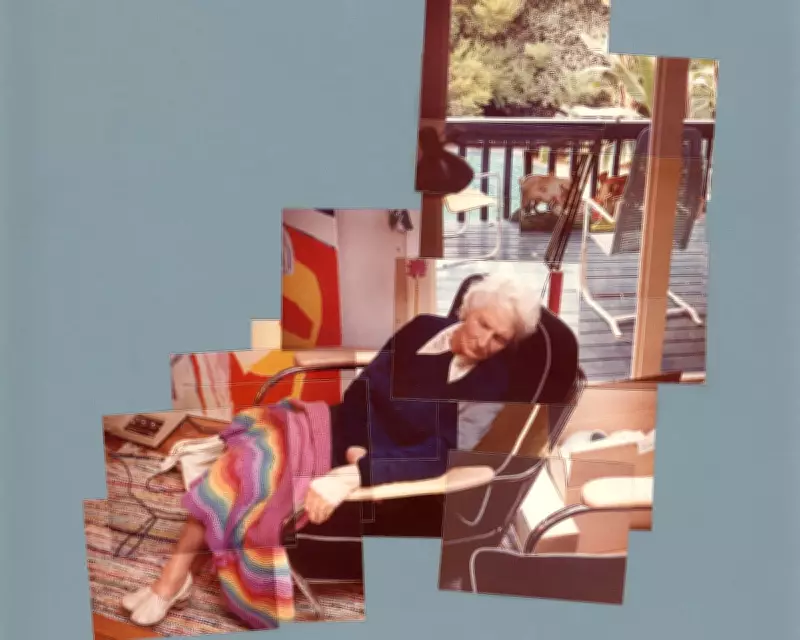
The National Gallery of Victoria (NGV) has launched a groundbreaking exhibition titled "Mother", which brings together more than 200 artworks to explore the multifaceted experiences of motherhood. Curated by Sophie Gerhard and Katharina Prugger, both mothers themselves, this exhibition juxtaposes historical depictions of maternity with contemporary pieces created during the intense phases of child-rearing.
The Relentless Nature of Motherhood
Gerhard and Prugger, who are in the thick of early motherhood, describe their experience with the word "relentless". This sentiment resonates deeply with many mothers, as the exhibition highlights the often invisible labor involved in parenting. From the iconic Virgin Mary, representing an unattainable ideal, to practical artifacts like Elizabeth Djutarra's woven birthing skirts, the show frames the disconnect between cultural ideals and the messy, physical reality of birth and care.
Creativity in the Midst of Chaos
The exhibition challenges the notion that motherhood stifles creativity. Instead, it suggests that the constraints and demands of parenting can foster artistic productivity. For instance, Käthe Kollwitz's analogy of working "like a cow grazes" after her children left home underscores how the urgency of creative expression can diminish without the pressures of motherhood. Conversely, many artists featured, such as Davida Allen with her painting "Baby" from 1989, produced powerful works while navigating the interstices of family life.
Labor and Repetition as Artistic Themes
Motherhood is framed as a form of labor, both physical and emotional, across cultures. The exhibition makes this visible through diverse works, including Christine Godden's photographic documentation of home birth and Kate Just's knitted metal and silk piece, "An Armour of Hope", which uses repetition to symbolize love and protection. First Nations artists like Kyra Mancktelow and Guruwuy Murrinyina explore generational transmission and maternal history through traditional textiles, emphasizing how repetitive acts accumulate into profound creations.
Sections of the Exhibition: Creating, Giving, and Leaving
The exhibition is divided into three broad categories: creating, giving, and leaving. These sections encompass a range of emotions, from the joy in Patricia Piccinini's "Nest" to the sorrow in a dedicated room on miscarriage and infant loss. Humor is also present, as seen in Tala Madani's depiction of a nursing mother, while maternal subterfuge is explored in Queenie McKenzie's "Blackfellas in Bush Country", referencing protective practices against child removal.
Reflections on Letting Go
The final section, "leaving", touches on the bittersweet process of children growing up and gaining independence. This phase involves both loss and hope, as mothers navigate the transition from close physical bonds to a more detached interdependence. The exhibition posits that relinquishment, while never complete, is itself a creative act within motherhood's cycle of depletion and renewal.
"Mother: Stories from the NGV Collection" runs until 12 July, offering a comprehensive look at how art captures the relentless, creative, and often overlooked aspects of maternal life. Through historical and contemporary lenses, it invites viewers to reconsider the value and visibility of motherhood in society.