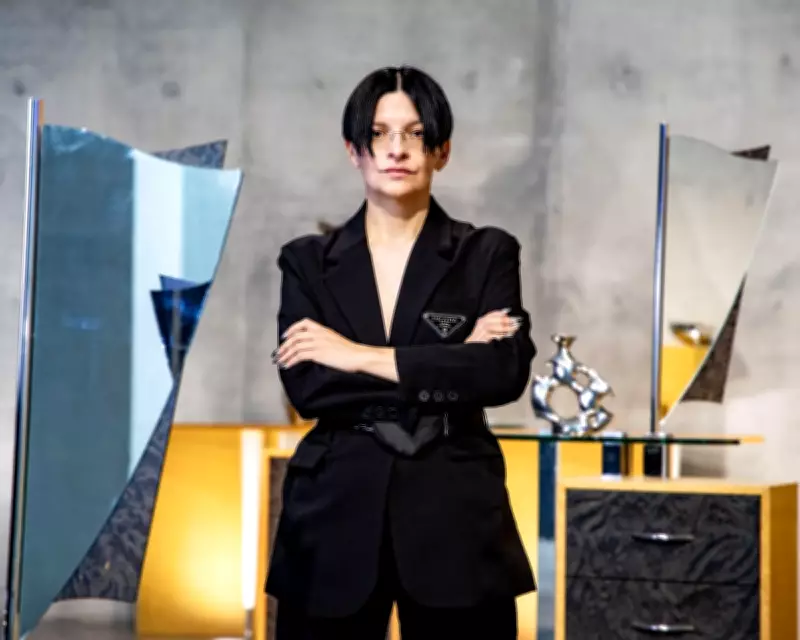
Henrike Naumann's Furniture Art Probes Germany's Deep Political Divides
In a compelling exploration of contemporary German society, artist Henrike Naumann has turned to an unexpected medium: everyday furniture. Through installations featuring sofas, chairs, and coffee tables, Naumann interrogates the nation's persistent political and social divisions, offering a unique lens on issues of unity, conflict, and identity.
Furniture as a Metaphor for Societal Rifts
Naumann's work transforms domestic objects into powerful symbols of Germany's fragmented landscape. By arranging sofas and chairs in configurations that evoke tension or isolation, she highlights the physical and ideological spaces that separate communities. Her coffee tables often serve as focal points, representing shared yet contested ground in a country grappling with historical legacies and modern polarizations.
This approach allows viewers to engage with complex political themes through familiar, tactile elements, making abstract divisions tangible and accessible.
Historical Context and Contemporary Relevance
Drawing on Germany's post-reunification era, Naumann's installations reflect ongoing struggles with East-West divides, immigration debates, and rising populism. Her use of furniture from different periods and styles mirrors the nation's layered history, where past conflicts continue to shape present-day discourse.
Critics note that her work resonates deeply in an era marked by political polarization, urging audiences to confront uncomfortable truths about societal fragmentation.
Key Installations and Public Reception
Naumann's exhibitions have garnered attention for their provocative staging and emotional impact. Notable pieces include:
- Arrangements that pit modernist chairs against traditional sofas, symbolizing clashing worldviews.
- Interactive setups where viewers are invited to sit in designated spots, physically experiencing division.
- Collaborations with historians to incorporate archival materials, enriching the narrative depth.
Public response has been mixed, with some praising the art's bold commentary and others finding it unsettling—a testament to its effectiveness in sparking dialogue.
Artistic Methodology and Influences
Naumann's practice blends sculpture, installation, and social critique, influenced by German conceptual art and global political art movements. She meticulously selects furniture based on design eras and cultural associations, ensuring each piece contributes to a cohesive statement on division.
Her work challenges the notion of art as purely aesthetic, positioning it instead as a tool for societal reflection and change.
Impact on Art and Political Discourse
By using furniture to interrogate Germany's divides, Naumann has opened new avenues for discussing national identity and cohesion. Her installations serve as meeting points—literally and figuratively—where viewers can ponder the possibilities of reconciliation or the risks of further estrangement.
This artistic intervention underscores the role of culture in addressing political rifts, offering a creative alternative to conventional debates.