Steve McQueen's 'Bounty': A Poetic Exploration of Grenada's Flora and Historical Trauma
In a profound artistic endeavor, acclaimed artist and film-maker Steve McQueen spent the summer of 2024 in Grenada, creating a series of poetic images that delve into the intricate connections between the island's lush plant life and its deep-seated historical trauma. His photobook, titled Bounty, published by MACK, serves as a visual meditation on nature's resilience in the face of human exploitation.
The Genesis of the Project
The inspiration for Bounty struck McQueen during a visit to the Chelsea Flower Show in 2024, where he attended with his mother and aunt. They were drawn to the Grenadian pavilion, which has garnered 18 gold medals over the past 25 years. McQueen recalls feeling a sense of displacement upon seeing Grenada's vibrant flora displayed in central London, describing them as "camouflage to questions that should be asked in such a setting." This experience propelled him to reverse this platform by working directly with the flowers in their native environment.
Capturing Grenada's Indigenous Flora
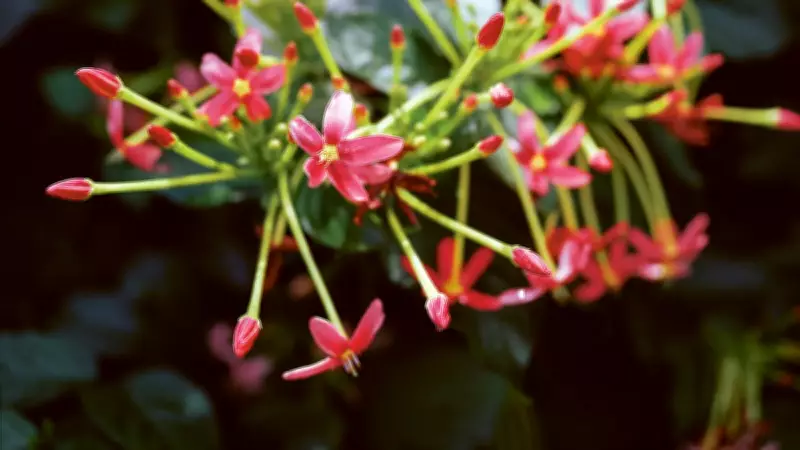
McQueen embarked on his trip to Grenada with minimal preconceptions, accompanied only by his camera assistant, Guy Isherwood. He aimed to photograph the island's indigenous plants, many of which have been constant presences for centuries, witnessing the arrival and struggles of various groups, including the Arawaks, Caribs, Europeans, Africans, and migrant workers from China and India. "These flowers have witnessed horrific things," McQueen reflects, emphasizing that the project focuses on portraiture of individual flowers rather than landscapes, highlighting their silent endurance.

The photographic process was meticulous and exhausting, with shoots beginning early in the morning to maximize natural light. McQueen primarily used film, with some digital images, drawing inspiration from the late cinematographer Robby Müller, known for his mastery of light. Notably, McQueen avoided any manipulation of light or color, allowing the vibrant hues of the flowers to speak for themselves, underscoring the perversity of beauty existing alongside trauma.
Historical and Personal Connections
McQueen's work in Grenada is deeply informed by historical events, such as the story of the Caribs who leaped to their death in 1654 rather than surrender to French forces—a tale referenced in his earlier artwork Carib's Leap from 2002. This connection to sites of trauma echoes his 2013 portrait of a lynching tree near New Orleans, a location he kept secret to protect it from destruction.
During his time in Grenada, guided by local horticultural experts, McQueen contemplated his own family history. His parents, who migrated from the Caribbean to London in the 1960s, were "country folk" deeply connected to nature. He pondered their transition from the lush landscapes of the Caribbean to the grey industrial city of London, reflecting on the broader diasporic experience and loss of natural ties.
Thematic Depth and Artistic Vision
Bounty is grounded in a poetic sensibility inspired by the late Saint Lucian poet Derek Walcott, particularly his elegy to his mother. McQueen's images invite viewers to engage viscerally with nature's silent endurance, despite the grim realities of history. The title itself alludes to the dual meanings of nature's generosity and the historical bounties paid to slave catchers, adding layers of irony and reflection.
Through this project, McQueen not only documents Grenada's flora but also interrogates the ways in which beauty and trauma coexist. The flowers stand as permanent markers, offering a lens through which to view the island's complex past and resilient spirit.