Elite Hypocrisy Exposed: A Banker's Email and Hip-Hop's True Purpose
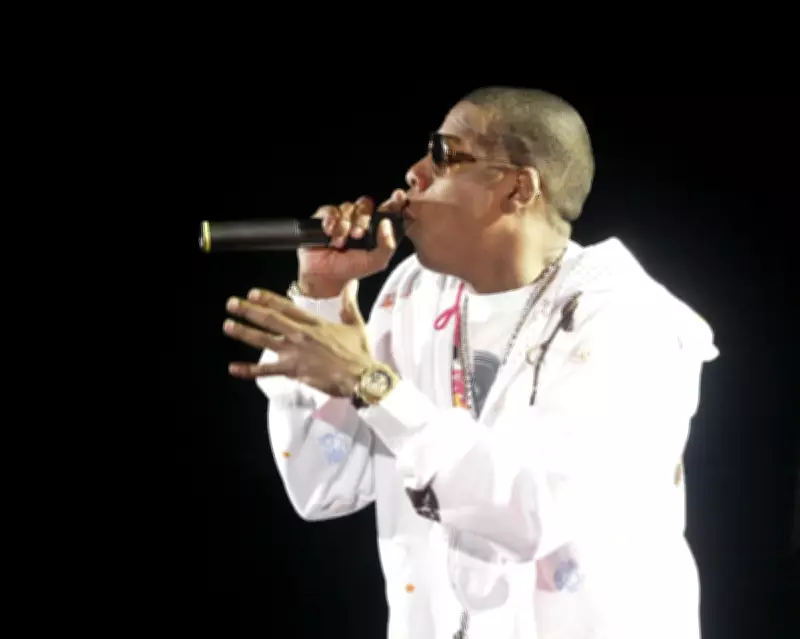
This summer, Jay-Z is set to perform in the Bronx, a borough steeped in hip-hop history. For many, his appearance will be more than a concert—it will be a litmus test for the culture's activist roots. The event gains sharp context from a recently revealed email written over a decade ago by Jes Staley, the former CEO of Barclays, to convicted sex offender Jeffrey Epstein. In it, Staley offers a racist and reductive take on Black Americans, suggesting they are pacified by spectacles like Super Bowl ads and artists like Jay-Z, preventing protest against injustice.
The Staley Email: Racism and Reductionism in Elite Circles
Staley's email, sloppy and ungrammatical, argues that poor Americans do not take to the streets like those in São Paulo, Brazil, because they are "bought off" by cultural distractions. He specifically invokes Jay-Z, implying the artist's success neutralizes collective action. This perspective is not only offensive but highlights a deep hypocrisy. Staley himself maintained a close friendship with Epstein long after his conviction, flying on his plane and visiting his island, showing how elite accountability often evaporates.
The email articulates a longstanding racist strategy: absorb marginalized cultures, provide enough spectacle and aspiration, and people will remain compliant. It reduces Black motivations to mere consumption, ignoring the complexity and resilience of communities. Staley, far from a naive observer, was ensnared by Epstein's web of entitlement, yet felt entitled to theorize about others' pacification.
Hip-Hop as Journalism, Not Pacification
Growing up in the Bronx, where hip-hop was invented in 1973, the author experienced the music as anything but a leash. For him, tracks like Jay-Z's "Moment of Clarity" served as raw journalism from the streets, documenting systemic struggles and personal costs. During a 12-year prison stint for a Bronx shootout, hip-hop provided solace and inspiration, bearing witness to lives shaped by inequality and inspiring protest through personal change.
Staley's email insults this legacy by recasting art as a tool of control. In reality, hip-hop has always aimed to expose elites who operate without consequence, as seen in lyrics from artists like Talib Kweli, who critique complacency in the face of oppression. The culture was built to make injustice impossible to ignore, not to distract from it.
The Drift in Culture and the Call to Action
While Staley was wrong about why people aren't in the streets, he touched on a concerning drift. The music industry has learned to absorb anger and sell it back as aesthetic, risking the loss of hip-hop's connection to social movements. In today's turbulent times, with attacks on immigrants, civil rights, and Black history, artists are needed more than ever to burn down complacency.
Examples like YG and Nipsey Hussle's "FDT" or Eminem's anti-Trump freestyle show the power of music as protest. Emicida in São Paulo exemplifies using art to challenge cruelty and inspire change. Jay-Z, with his unprecedented power from Marcy Projects, faces a critical moment: will he spend his social capital on collective struggle, or remain silent? As Martin Luther King Jr. taught, silence from the powerful is complicity.
Reclaiming Hip-Hop's Activist Legacy
Black excellence alone won't save us; it can even pacify if framed as individual triumph over collective struggle. The author salutes contemporary artists like JJ'88 and Richie Reseda, who refuse assigned roles and stay grounded in activism. Hip-hop must return to its roots—waking people up, as Tupac did with "White Man'z World," not comforting or distracting them.
Staley's worldview treats culture as a lever, the poor as variables, and accountability as optional. Jay-Z's Bronx performance this summer will reveal which version of the artist shows up: the one who engages with politics or the one who avoids it. Either way, proving Staley wrong requires hip-hop to remember its purpose—to bear witness, organize, and bring people back to the streets. The culture has always had this power; it's time to wield it again.