The Global Rise of Risograph Printing
When Scottish-Italian designer Gabriella Marcella first operated a risograph printer, she experienced an immediate creative connection. "The process, the immediacy – it resonated," Marcella explains. "A lot of my aesthetic comes from that machine." This transformative moment has since evolved into Riso Club, an international artistic community connecting creators across continents through the distinctive medium of risograph printing.
Japanese Innovation Meets Global Creativity
The risograph printer, developed in 1980s Japan by Riso Kagaku founder Noboru Hayama, represents a remarkable fusion of photocopier convenience and screenprinting quality. Using eco-friendly soy inks to produce limited print runs with a distinctive handmade character, these affordable machines have become essential tools for zine creators, activists, and independent artists worldwide.
Marcella discovered her first risograph through an online auction platform. "I bought my first riso off eBay for about £200," she recalls. "My dad drove me to collect it from pensioners who used it to print their grandsons' football gazettes." This humble beginning marked the start of a profound creative journey that would eventually span the globe.
Building International Connections Through Print
After studying at New York's Pratt Institute and establishing her Glasgow-based Risotto Studio in 2012, Marcella founded Riso Club in 2017 as a non-profit initiative. The program specifically promotes artists dedicated to risograph technology, with particular focus on creators working outside major cultural hubs like London and New York.
"I'd always wanted to promote places away from the big cities," Marcella explains. "There's a niche but global riso community who I've got to know over the years. I wanted to profile that."
The Postcard Revolution
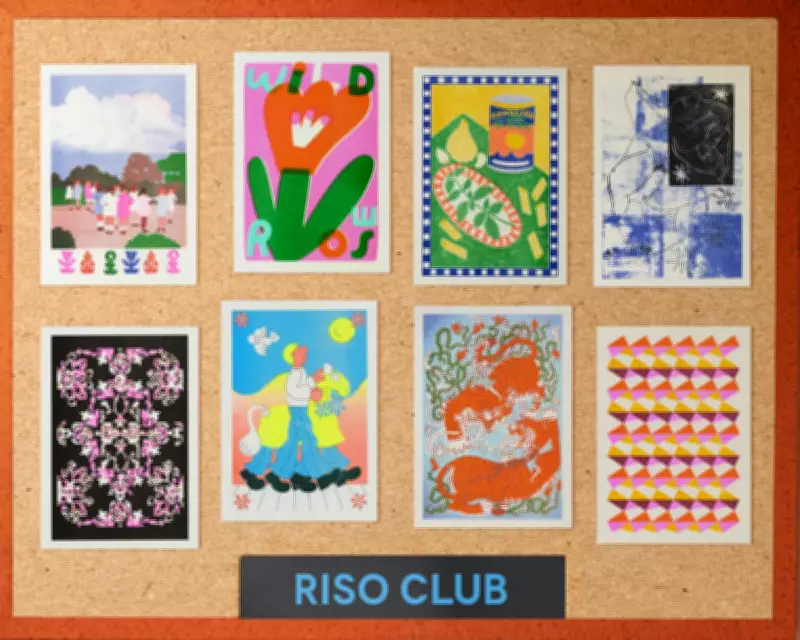
Riso Club operates through a unique subscription model where members receive monthly packages containing four postcards from four different risograph artists. Each monthly issue highlights work from a specific international city, creating a geographical journey through global creativity that has included contributions from Lille, Lima, Kyiv, Damascus, and numerous other locations.
Marcella emphasizes the importance of physical mail in our digital age: "Physical things land differently. A postcard through the door has a weight, texture and intimacy that digital communication doesn't – especially in the social media age where we can scroll past hundreds of amazing images a minute."
Cultural Representation Through Artistic Vision
The postcard format serves as both artistic medium and cultural ambassador. "This is a way of discovering places through artists rather than through tourist cliches," Marcella notes. Certain cities carry particular significance within this framework, with Kyiv and Damascus representing locations where artistic expression intersects with political and diasporic realities.
Designer Mari Kinovych, who curated the Kyiv edition as a fundraiser for Razom for Ukraine, explains her approach: "I chose a piece by Anna Gavryliuk featuring tank traps and flowers to illustrate this duality. For my own contribution, I selected an illustration reflecting the tender feelings of love, acceptance and care that defined the city during the second year of the war."
Celebrating 100 Issues in Glasgow
To commemorate Riso Club's 100th issue milestone, Marcella curated a special edition featuring design luminaries including Memphis Group founder Nathalie Du Pasquier, artist Peter Shire, and architect Barbara Stauffacher Solomon. All 400 postcards from the club's history will be displayed at Glasgow's Glue Factory Galleries from April 11-19.
"I hope visitors see that design can be generous, accessible and social," Marcella expresses. "Print can still connect people in a very direct, everyday way." This exhibition represents not just a celebration of risograph technology, but a testament to how affordable printing innovation continues to foster genuine human connection across geographical and cultural boundaries.
The risograph's origins as a political printing tool – often found in schools and political organizations for its speed and affordability – have evolved into a global artistic movement. Through Riso Club, Marcella has created a platform where this democratic printing technology facilitates cultural exchange, artistic collaboration, and the simple joy of receiving beautiful, tangible art through the mail.