The Superiority of Modern Children's Culture
As World Book Day approaches, with its familiar chaos of costumes and crafts, a striking cultural shift becomes evident. Today's children's books, films, and media are not only vastly improved from decades past but frequently surpass the quality and ambition of contemporary adult-oriented content. This phenomenon spans literature, cinema, and theater, offering young audiences richer narratives and more sophisticated themes.
Literary Excellence in Children's Books
The Harry Potter series serves as a prime example of this elevation. With its intricate character development, expansive world-building, and ethical complexities, J.K. Rowling's work transcends typical children's storytelling. Scenes like the visit to St. Mungo's psychiatric ward, depicting characters grappling with memory loss and trauma, provide profound insights into human suffering rarely matched in adult fiction. Modern authors like Andy Stanton, Louis Sachar, and Malorie Blackman continue this trend, crafting stories that engage reluctant readers with humor and depth.
Cinematic Ambition and Social Commentary
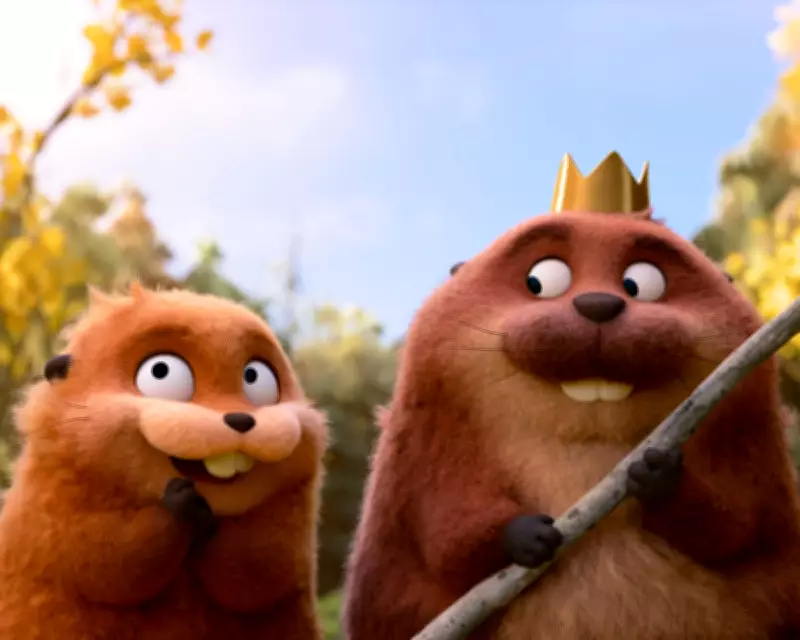
In film, children's blockbusters consistently outpace adult arthouse movies in thematic boldness. Pixar's latest release, Hoppers, delivers a rigorous exploration of existentialism and ecological responsibility, confronting climate crisis head-on. Similarly, The Mitchells vs the Machines critiques technology and corporate power with a sharpness that rivals satirical adult works. These films blend serious issues with playful storytelling, making complex ideas accessible without dilution.
Theatrical Innovation for Young Audiences
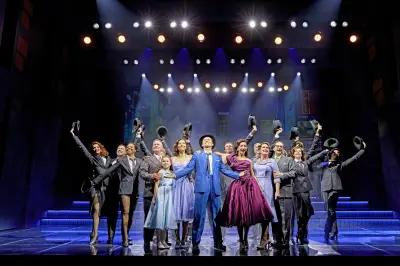
Theater critics note that the most innovative stage productions today are often aimed at children under twelve. These works break conventional boundaries, offering experimental narratives and interactive elements that adult theater frequently lacks. This creative risk-taking enriches the cultural landscape, fostering early appreciation for the arts.
Contrast with Adult Media
While children's media boldly addresses global crises, many acclaimed adult films offer only vague reflections on similar topics. For instance, Oscar-nominated Train Dreams touches lightly on environmental stewardship, whereas children's animations like Wall-E or Bee Movie present explicit critiques of industrialization and exploitation. This disparity highlights a cultural timidity in adult entertainment, which often shies away from radical solutions or direct engagement with pressing issues.
Cultural Impact and Reception
The success of films like Zootropolis 2, which allegorizes political corruption and racial persecution, demonstrates that young audiences are consuming content with substantial social commentary. However, adult audiences and broadcasters sometimes obscure these messages, as seen when Alan Cumming's Baftas monologue linking the film to modern U.S. politics was edited out of broadcasts. This selective reception underscores a broader reluctance to engage with challenging themes outside children's contexts.
Ultimately, the evolution of children's culture represents a significant cultural advancement. By combining entertainment with education and ethical inquiry, these works not only captivate young minds but also set a higher standard for storytelling across all age groups. As this trend continues, it prompts a reevaluation of what adult entertainment can and should achieve in an increasingly complex world.