The vibrant green avocado, a staple of healthy diets in the UK and beyond, hides a dark and violent reality at its source. In the Mexican state of Michoacán, the world's leading avocado-exporting region, the industry is fuelled by environmental destruction, land dispossession, and threats against Indigenous communities.
The Human and Environmental Cost of Export Agribusiness
Claudia Ignacio Álvarez, a Purépecha human rights defender from San Andrés Tziróndaro, describes a childhood shaped by Lake Pátzcuaro and traditional music. That way of life is now under severe threat. Agribusiness companies rent legally communal land meant to sustain local people, diverting water from the lake to thirsty avocado and berry plantations.
During a severe drought last year, Lake Pátzcuaro nearly dried up, devastating local fish stocks and a centuries-old fishing culture. In the forests, avocado orchards consume vast amounts of water, and deliberately set fires clear land for further plantations, eliminating biodiversity.

This pattern of exploitation extends beyond agriculture. In Michoacán's coastal region, Nahua communities face similar threats from mining and steel projects imposed without consultation. The defence of communal land has led to tragedy: environmental defender José Gabriel Pelayo was forcibly disappeared, and Eustacio Alcalá Díaz was murdered. Their cases remain unresolved.
A Climate of Fear and Political Violence
Resistance comes at a high personal cost. According to Global Witness, at least 36 defenders were attacked in Mexico between 2023 and 2024, most of them Indigenous. Claudia Ignacio Álvarez herself has faced intimidation, recalling a confrontation with police where her hands shook with fear as she filed a report.
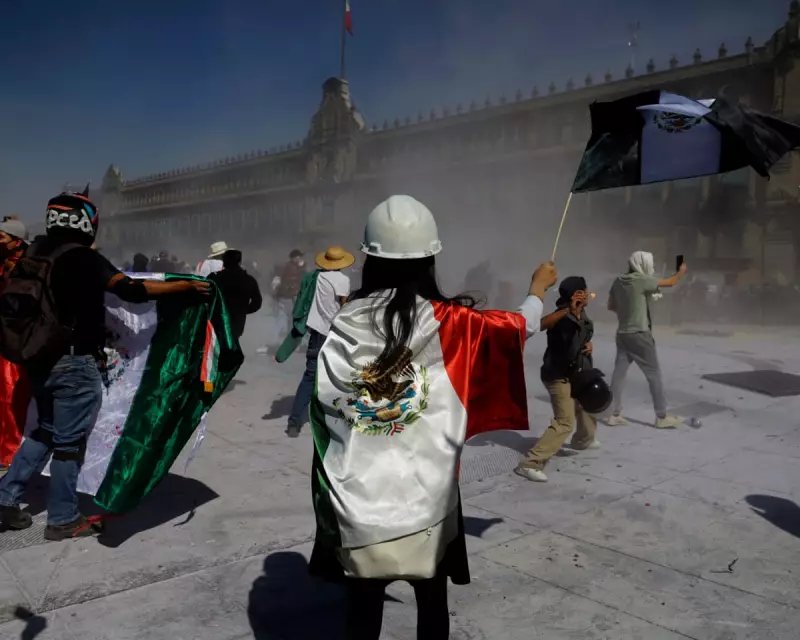
The political climate grew even more tense following the assassination of Carlos Manzo, the mayor of Uruapan, in November. He was killed during a public event in a city central to the avocado trade. His murder, part of a wave of violence that has claimed at least three mayors this year, creates widespread fear and demonstrates how violence is used to control the economically crucial region.
For many defenders, protection does not come from the state but from community networks and international support. Many, including Álvarez, now live in a state of forced displacement, returning to their communities only briefly and under constant alert.
International Responsibility and the Call for Action
Responsibility for this crisis does not lie solely with Mexico. The United States is the primary destination for Michoacán's avocados and berries, but European and British markets are deeply implicated. Through imports, corporate finance, and trade relationships that prioritise profit, the UK sustains an extractive model that ignores local human rights and environmental conditions.
If governments are serious about their commitments, they must move beyond rhetoric. Importing countries like the UK should enforce binding human rights and environmental due diligence across agricultural supply chains. This must include respecting Indigenous peoples' right to consultation, protecting communal land and water rights, and guaranteeing the safety of defenders.
For communities in Michoacán, defending the land is not an abstract cause. It is a fight for memory, survival, and dignity. If the international community continues to enjoy the benefits of cheap imports while ignoring the brutal costs, the violence will not end—it will simply remain out of sight, far from the supermarket shelves.