US Treasury Secretary Warns of Imminent 15% Tariff Implementation
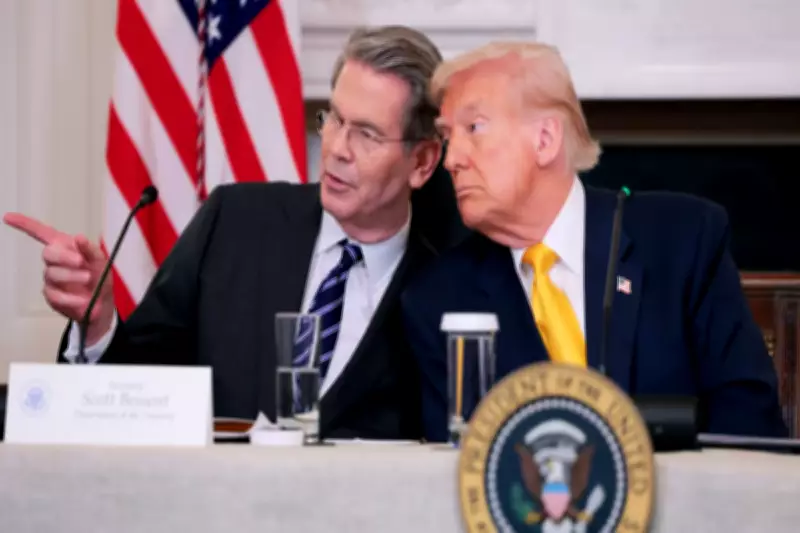
US Treasury Secretary Scott Bessent has issued a stark warning that the administration's proposed universal 15% tariff could come into effect as early as this week. In an interview on Wednesday, Bessent stated that the new baseline tariff rate would likely be implemented "some time this week", marking a significant escalation in US trade policy.
Background and Legal Context
The announcement follows last month's implementation of a 10% tariff rate that affected imports from multiple countries, including the United Kingdom. The decision to raise the baseline tariff to 15% comes after a Supreme Court ruling invalidated the president's previous tariff regime, which applied varying rates to different countries. The court determined that the administration failed to properly run the trade package through Congress, necessitating this uniform approach.
Bessent emphasized during his CNBC interview that while tariffs would increase this week, he anticipates rates falling back by August as the US seeks greater flexibility within the tax regime. "It's my strong belief that the tariff rates will be back to their old rate within five months," the Trump administration official asserted, adding that the current framework has "survived more than 4,000 legal challenges" and represents a more robust, albeit slower-moving, system.

Market Reactions and Global Responses
Financial markets responded cautiously to Bessent's early morning comments. The S&P 500 and Nasdaq 100 experienced slight declines, while the FTSE 100 and Euro Stoxx 50 continued their recovery from recent heavy falls amid Middle East tensions. XTB market analyst Kathleen Brooks noted: "This is having a minimal impact on markets for now, but it is worth watching closely."
The UK government had previously anticipated that exporters affected by tariffs would maintain the 10% rate agreed upon in last year's trade deal, with additional benefits for automotive and aerospace sectors expected to remain intact. However, the British Chambers of Commerce has warned that if the UK faces the higher 15% baseline tariff, the economy could suffer a £2 billion hit.
Meanwhile, the European Union expressed confidence in avoiding the planned tariff increase, citing assurances that their rate would stay at 10%. Economists worldwide are monitoring developments closely, particularly regarding how different tariff rates for various countries might affect global demand patterns and trade diversion.
Broader Economic Implications
Bank of England member Alan Taylor has suggested that trade diversion from China is already contributing to lower inflation rates in the UK. This complex interplay between tariff policies, international trade flows, and domestic economic conditions underscores the far-reaching consequences of the US tariff announcement.
As the situation develops, businesses, governments, and financial markets will be watching for:
- Exact implementation timing of the 15% tariff
- Specific country exemptions or variations
- Retaliatory measures from affected trading partners
- Long-term impacts on global supply chains
The coming days will prove crucial in determining whether Bessent's prediction materializes and how the international community responds to this significant shift in US trade policy.