UK Government Unveils Aggressive Steel Strategy with 50% Tariffs
The UK government has published a comprehensive steel strategy aimed at revitalizing domestic production, a move described as "incredibly bold" by industry leaders. Central to this plan is the reduction of steel import quotas by 60 per cent starting in July, coupled with an increase in tariffs to 50 per cent for imports outside unit limits. This initiative targets supporting half of the UK's steel demand through domestic manufacturing, marking a significant shift in industrial policy.
Political and Economic Backlash Emerges
Business Secretary Peter Kyle emphasized the strategy's importance, stating, "Making steel in the UK is vital for national security, critical infrastructure and the wider economy." He added that this move closes a "decades-long chapter of destructive de-industrialisation" and commits to strengthening Britain as a steel-making nation. However, the decision has already sparked criticism from the Conservative opposition. Shadow Business Secretary Andrew Griffith condemned the tariffs as a "new tax on businesses," warning that higher costs for imported steel could harm the construction industry, reduce infrastructure investment, and further impact UK manufacturing firms.
Industry Response and Net Zero Concerns
UK Steel, the main industry body, praised the government's bravery but expressed concerns about potential drawbacks. Director General Gareth Stace noted a cultural shift in Westminster towards defending critical industries over free trade ideology. However, energy policy director Frank Aaskov highlighted risks with the Carbon Border Adjustment Mechanism (CBAM), cautioning that it might inadvertently favor imported Chinese steel over UK-made products, undermining competitiveness due to higher energy prices and net zero costs.

Financial Support and Operational Challenges
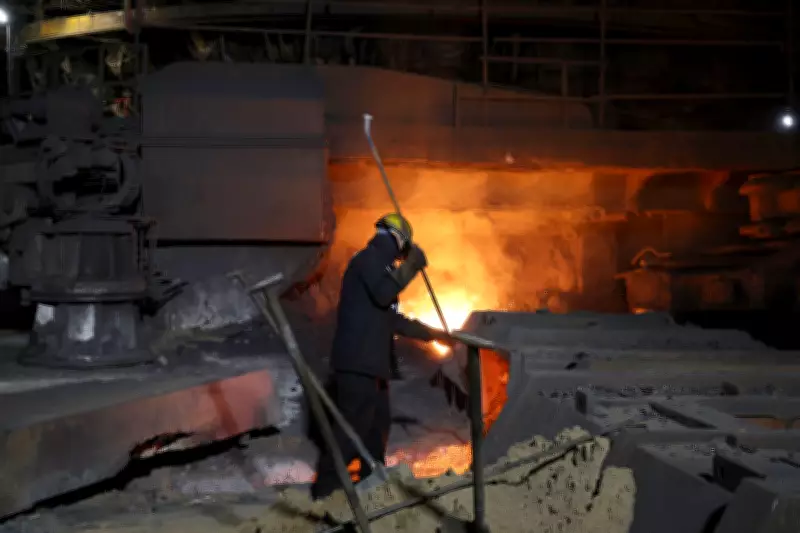
To bolster the sector, the government plans to inject £2.5 billion into manufacturers by 2030 through the national Wealth Fund. This funding will support investments in electric arc furnaces to advance net zero goals and sustain operations at Scunthorpe, where British Steel faced collapse under Chinese ownership. The government intervened in April 2025 to keep blast furnaces operational, but a National Audit Office report revealed ongoing costs of about £1.3 million per day, with total spending reaching £377 million over nine months.
The strategy represents a high-stakes effort to secure the UK's steel industry, balancing economic protectionism with environmental and competitive challenges, as debates over its long-term impact continue to unfold.