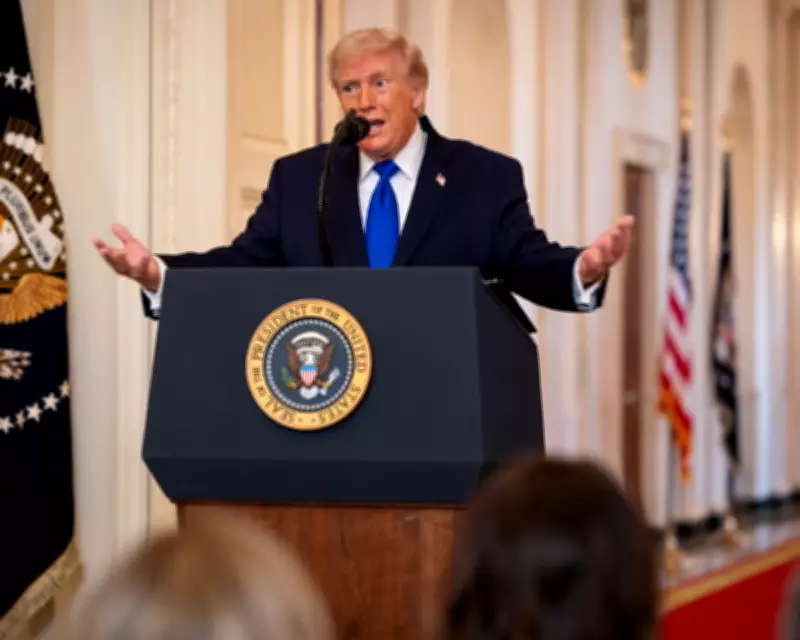
Trump's Sweeping Tariff Announcement Sends Shockwaves Through Global Markets
In a move that has rattled financial markets worldwide, former President Donald Trump has unveiled a new set of aggressive global tariffs, sparking immediate fears of a renewed trade war. The announcement, made earlier today, targets a broad range of imports from multiple countries, with the stated aim of protecting American industries and jobs. However, economists and business leaders are warning that the measures could backfire, leading to higher consumer prices, disrupted supply chains, and retaliatory actions from trading partners.
Market Reaction and Immediate Fallout
Following the news, global stock markets experienced significant volatility, with indices in Europe and Asia dipping sharply as investors grappled with the uncertainty. The Dow Jones Industrial Average opened lower, reflecting concerns over how the tariffs might impact corporate profits and economic growth. Currency markets also saw fluctuations, with the US dollar strengthening against some currencies but weakening against others, as traders assessed the potential for inflationary pressures and trade imbalances.
Businesses across various sectors are bracing for a challenging period ahead. Manufacturers reliant on imported materials are particularly worried about increased costs, which could force them to raise prices or cut jobs. Retailers fear that tariffs on consumer goods will lead to higher shelf prices, potentially dampening consumer spending. The technology industry, which depends heavily on global supply chains, is also on high alert, with companies scrambling to evaluate the impact on their operations and bottom lines.

International Response and Escalating Tensions
International leaders have been quick to condemn Trump's tariff plan, with many threatening retaliatory measures. The European Union has hinted at imposing its own tariffs on American goods, while China has warned of "severe consequences" if the policies are implemented. This escalation in rhetoric has raised the specter of a full-blown trade war, reminiscent of the conflicts seen during Trump's previous presidency. Diplomatic channels are reportedly buzzing with activity as officials seek to de-escalate the situation, but prospects for a swift resolution appear dim.
The timing of this announcement is particularly concerning, coming at a time when the global economy is still recovering from recent shocks. Many countries are grappling with inflation and slow growth, and the addition of trade barriers could exacerbate these issues. Analysts note that while protectionist policies might offer short-term benefits for certain domestic industries, they often lead to long-term economic damage by reducing competition and innovation.
Potential Long-Term Implications
Looking ahead, the implications of Trump's tariffs could be far-reaching. If implemented, they may:
- Disrupt global supply chains, leading to delays and shortages of goods.
- Increase costs for consumers, contributing to inflationary pressures.
- Strain international relations, potentially affecting cooperation on other issues like climate change and security.
- Encourage other countries to adopt similar protectionist measures, fragmenting the global trading system.
Businesses are advised to prepare for a period of uncertainty by diversifying their supply sources and exploring alternative markets. Investors, meanwhile, should remain cautious, as market volatility is likely to persist until there is more clarity on how the tariffs will be enforced and how other nations will respond. The coming weeks will be critical in determining whether this move leads to a negotiated settlement or a deeper trade conflict with global repercussions.