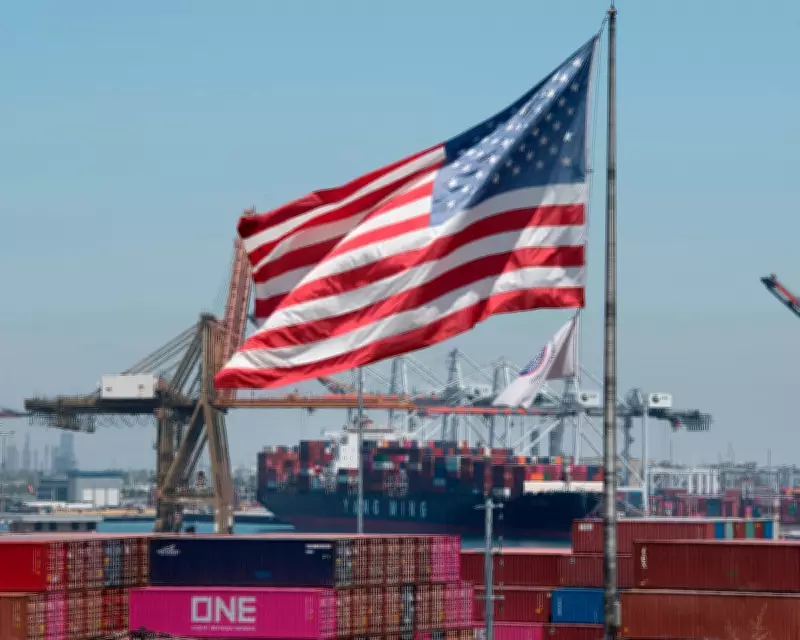
Trump's Tariff Strategy: A Comprehensive Analysis of US Trade Levies
The Trump administration's implementation of tariffs has been a defining feature of US trade policy, sparking widespread debate and reshaping global economic relationships. These levies, imposed on a range of imported goods, were introduced with the stated goal of protecting American industries, reducing trade deficits, and promoting domestic manufacturing. The policy marked a significant shift from previous administrations' approaches, emphasizing unilateral action over multilateral agreements.
Economic Rationale and Implementation
Central to the tariff strategy was the belief that foreign competitors, particularly China, were engaging in unfair trade practices that harmed US economic interests. By imposing duties on goods such as steel, aluminum, and various consumer products, the administration aimed to create leverage in trade negotiations and incentivize companies to relocate production to the United States. The tariffs were applied under various legal authorities, including Section 232 of the Trade Expansion Act for national security reasons and Section 301 of the Trade Act to address intellectual property concerns.
The initial rounds of tariffs targeted billions of dollars worth of imports, leading to immediate retaliatory measures from trading partners. Countries like China, the European Union, and Canada responded with their own levies on US exports, resulting in a tit-for-tat escalation that disrupted supply chains and increased costs for businesses and consumers alike. This trade war dynamic introduced new uncertainties into the global market, affecting sectors from agriculture to technology.

Impact on Domestic and Global Markets
Domestically, the tariffs had mixed effects. While some industries, such as steel and aluminum producers, reported short-term benefits from reduced competition, many manufacturers faced higher input costs that squeezed profit margins. Consumers experienced price increases on a variety of goods, from electronics to household items, though the overall inflationary impact was moderated by other economic factors. Agricultural exporters, particularly soybean farmers, were hit hard by retaliatory tariffs, leading to significant government bailouts to offset losses.
Globally, the tariffs contributed to a slowdown in trade growth and prompted realignments in supply chains. Some companies diversified their sourcing away from China to avoid duties, benefiting countries like Vietnam and Mexico. The uncertainty also spurred efforts to reform international trade institutions, though progress on new agreements was often stalled by the contentious atmosphere. The long-term effects on global economic integration remain a subject of ongoing analysis.
Political and Strategic Considerations
Politically, the tariff policy became a polarizing issue. Supporters argued it was a necessary corrective to decades of unfair trade practices, while critics warned it risked triggering a broader economic downturn and undermining international alliances. The strategy also intersected with broader geopolitical tensions, particularly with China, where trade disputes were linked to issues of technology competition and security concerns.
As subsequent administrations have reviewed these policies, some tariffs have been modified or removed through negotiations, but many remain in place, reflecting enduring debates over trade's role in the US economy. The legacy of the Trump tariffs includes a renewed focus on trade as a tool of economic statecraft and a more fragmented global trading system, with implications for future policy directions.