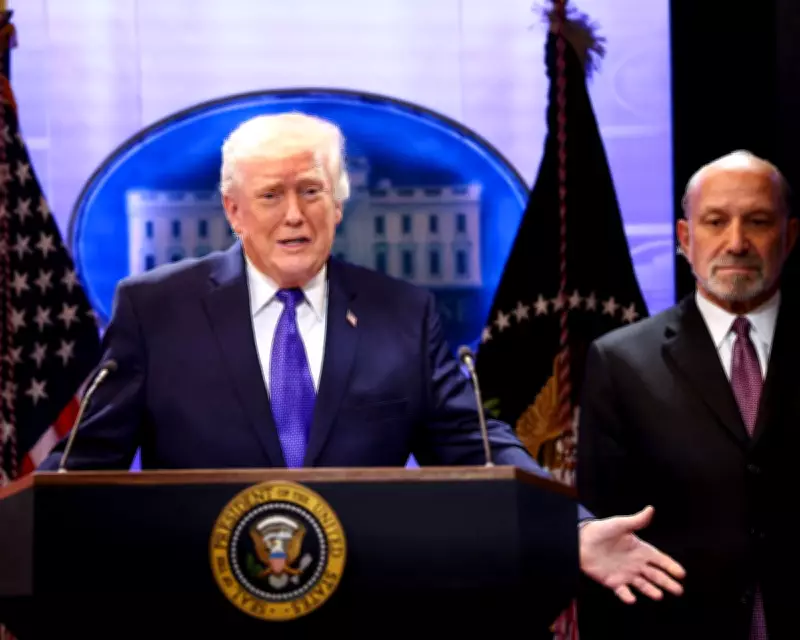
Trump's Tariff Nostalgia Misreads a Radically Changed Global Economy
Donald Trump's renewed push for aggressive tariffs represents a nostalgic yearning for a bygone era of trade policy, one that fundamentally misreads the complexities of today's global economic landscape. This approach, while politically resonant with some segments of the electorate, overlooks the profound transformations that have reshaped international commerce over recent decades.
The Flawed Foundation of Tariff Nostalgia
At its core, Trump's tariff strategy is built on a simplistic view of trade as a zero-sum game, where imposing barriers automatically translates into domestic job creation and industrial revival. This perspective harks back to mid-20th century economic models, ignoring the intricate supply chains, digital integration, and multinational corporate structures that define modern globalization. The world economy is no longer a collection of isolated national markets but a deeply interconnected system where tariffs can trigger cascading disruptions, affecting everything from consumer prices to strategic alliances.
Economic analysts warn that such protectionist measures could inadvertently harm the very industries they aim to protect, by increasing costs for imported components and raw materials essential for domestic production. Moreover, in an era marked by geopolitical tensions and climate challenges, trade policy must be nuanced, leveraging cooperation on issues like technology standards and environmental regulations rather than retreating into isolationism.

The Global Context and Future Implications
The global economy has evolved into a network where countries are interdependent, with trade flows that support millions of jobs and drive innovation. Trump's tariff nostalgia fails to account for this reality, risking retaliatory measures from trading partners that could escalate into full-blown trade wars. Such conflicts have historically led to reduced economic growth, higher inflation, and strained diplomatic relations, undermining global stability.
Furthermore, the rise of digital services and intellectual property as key trade components means that traditional tariff tools are increasingly blunt instruments. A modern trade strategy must address issues like data privacy, cybersecurity, and fair competition in tech sectors, areas where tariffs offer little leverage. By clinging to outdated methods, policymakers risk ceding leadership in shaping the rules of 21st-century commerce to more adaptive nations.
In summary, while Trump's tariff proposals may appeal to a sense of economic nationalism, they are ill-suited to the demands of a changed world. A forward-looking trade policy should embrace multilateral engagement and innovation, rather than nostalgia for a simpler past that no longer exists.