Trump Administration Launches New Trade Probe After Supreme Court Tariff Ruling
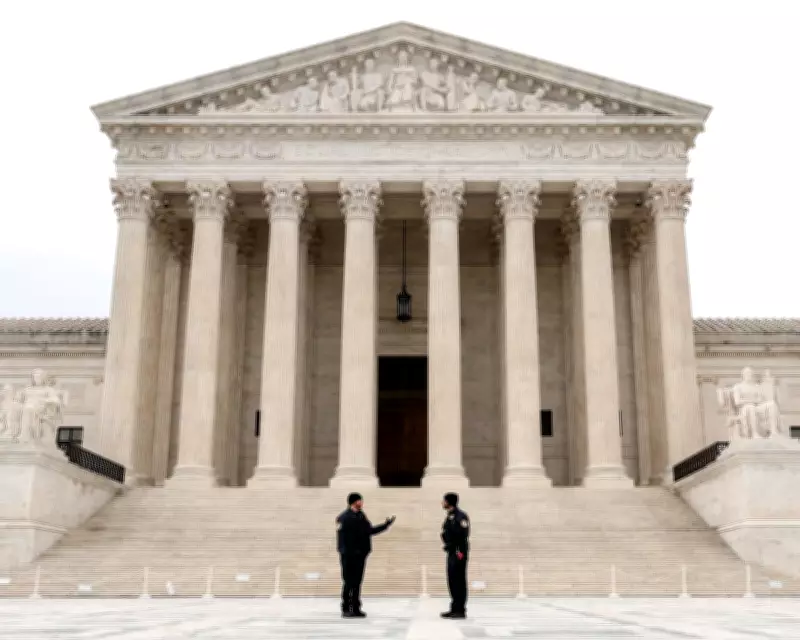
The Trump administration has officially commenced a new trade investigation into foreign manufacturing operations, a strategic move designed to replace hundreds of billions in tariffs that were recently struck down by the US Supreme Court. This development follows the court's February ruling, which declared an economic emergency and invalidated President Donald Trump's previous use of tariffs.
New Legal Pathways for Tariff Implementation
On Wednesday, administration officials opened investigations under Section 301 of the Trade Act of 1974, a legal mechanism that could ultimately lead to the imposition of new import taxes. US Trade Representative Jamieson Greer emphasized during a call with reporters that the administration's policy objectives remain unchanged, despite the shifting legal landscape. "The policy remains the same – the tools may change depending on, you know, the vagaries of courts and other things," Greer stated, underscoring the primary goal of protecting American jobs.
Greer was careful not to prejudge the outcome of the investigative process, but he confirmed that the administration is actively exploring alternative legal avenues to reestablish tariffs. The Supreme Court's decision has created a significant revenue shortfall, prompting the administration to seek new methods to impose trade restrictions.

Global Economic Implications and Political Backdrop
The initiation of this new trade probe could reignite the economic tensions that destabilized global markets last year. The previously overturned tariffs had led to the establishment of new trade frameworks with key US partners, and it remains uncertain how a fresh set of import taxes might impact these agreements. Greer suggested that the existing trade frameworks are independent of the new investigation, but analysts warn that renewed tariff actions could disrupt international trade relations.
This trade maneuver unfolds against a complex political and geopolitical backdrop, including ongoing conflicts in Iran and the approaching midterm elections. Democratic candidates are leveraging the Supreme Court ruling to campaign for tariff refunds, positioning themselves against Trump's Republican allies by highlighting the financial burdens imposed on the public.
Scope and Focus of the Investigation
The investigation will scrutinize excess industrial capacity and government subsidies that may provide foreign companies with an unfair competitive edge over US firms. A broad array of entities are under examination, including China, the European Union, Singapore, Switzerland, Norway, Indonesia, Malaysia, Cambodia, Thailand, South Korea, Vietnam, Taiwan, Bangladesh, Mexico, Japan, and India.
Key factors under review include persistent trade surpluses with the United States, government-backed subsidies, and policies that suppress workers' wages. Additionally, the administration is rolling out a separate Section 301 investigation aimed at banning the importation of goods produced through forced labor, reflecting a broader focus on trade practices and labor standards.
Timeline Pressures and Strategic Deadlines
The administration faces pressing timeline constraints to complete its investigations. Currently, 10% tariffs on foreign-made goods imposed under Section 122 of the 1974 Trade Act are set to expire after 150 days on July 24. President Trump has expressed intentions to raise this import tax to 15%, though no formal action has been taken yet.
Greer indicated that the new investigation is strategically aligned with this 150-day deadline, with the objective of presenting "potential options" to President Trump as swiftly as possible. This urgency underscores the administration's commitment to restoring tariff measures and addressing perceived trade imbalances through renewed legal and economic strategies.