Aughinish Alumina's Russian Trade Intensifies Amid Ukraine War
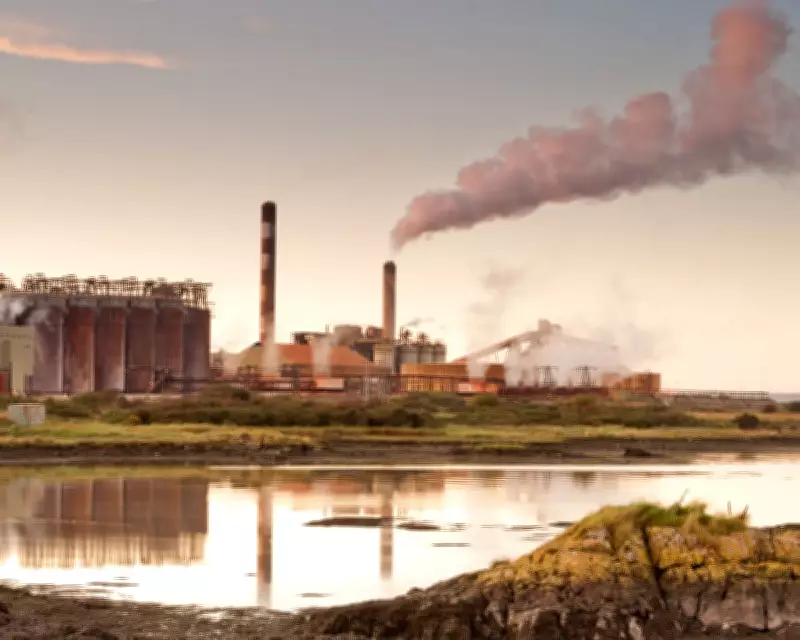
An Irish metals refinery, Aughinish Alumina, is part of an international aluminium supply chain that appears to culminate in shipments to Russian arms manufacturers supporting the Kremlin's war efforts in Ukraine, according to leaked records and public data. Located on the Shannon estuary in western Ireland and owned by the Russian aluminium group Rusal since 2006, the refinery has seen a sharp rise in shipments to Russian smelters since the 2022 invasion.
Export Figures and Legal Status
Ireland exported $243 million of alumina to Russia in 2022, as reported by the Observatory of Economic Complexity, with this figure surging by 55% to $376 million in 2024. Aughinish is Ireland's sole producer of alumina and Europe's largest source of this key raw material for aluminium, based on a 2021 KPMG report. While this escalating trade does not violate current sanctions laws and is traceable through public shipping records, new data analysis raises questions about the EU's capacity to prevent Russian arms producers from accessing bloc-sourced materials.
Data Leaks and Government Response
Leaked information shared with media outlets, including the Guardian and the Organized Crime and Corruption Reporting Project, contradicts earlier assurances from the Irish government. In 2022, then-minister Patrick O'Donovan stated that the plant was not connected to any war machine. When presented with the new findings, Aughinish representatives declined to comment on how they ensure products do not contribute to Russian assaults, and O'Donovan also did not respond.

Professor Aristides Matopoulos, a defence supply chains expert from Cranfield University, highlighted the challenges: "Defence supply chains are inherently multi-tier and cross-border, creating structural gaps that can render sanctions architecture not fully fit for purpose. Tracing commodities like alumina across opaque chains is highly challenging in practice."
Ownership and Sanctions Loopholes
Rusal's shipments between Ireland and Russia remain legal, as the EU has not sanctioned alumina, despite its military applications. Notably, about a quarter of Rusal's shares are indirectly owned by Oleg Deripaska, a Russian metals tycoon under sanctions by the UK, EU, and US. However, sanctions on Rusal were lifted in 2019 after Deripaska reduced his control, and the group avoided further sanctions post-invasion.
A spokesperson for Aughinish emphasized compliance: "We operate in strict compliance with all applicable EU laws, including sanctions and export controls. We have a robust due diligence framework covering our entire supply chain."
Supply Chain Details and Military Links
The Aughinish refinery, built in the 1970s and later acquired by Glencore before joining Rusal, employs about 900 people and supplies 30% of the EU's alumina for various uses. Analysis indicates that nearly 500,000 tonnes of alumina, worth around $200 million, were exported from Aughinish to Rusal's Krasnoyarsk smelter in Siberia in 2024, meeting about 25% of its annual output.
Leaked records suggest aluminium from Krasnoyarsk is sold through Rusal's trading firm to Aluminium Sales Company (ASK), which has apparent ties to Rusal, including shared addresses and loans. ASK's clients include sanctioned arms companies producing missiles and explosives used in Ukraine, with weapons manufacturers paying ASK $337 million under Russian defence contracts from 2022 to 2025.
Official Statements and Economic Impact
Ireland's department of enterprise stated: "Alumina is not a sanctioned good, and its export to Russia is not restricted. Ireland remains unequivocal in its support for Ukraine." Aughinish's spokesperson added: "Aluminium serves broad civilian needs, and singling out one company discredits legitimate operations supporting thousands of workers."
This situation underscores the complexities of global supply chains and the ongoing debate over sanctions efficacy in conflict zones.