Iran War Triggers Global Food Supply Chain Crisis, Threatening Small-Scale Farmers
While energy market shocks dominate headlines, the Iran war is propelling the world toward a severe food crisis, with devastating impacts on small-scale producers thousands of miles from the conflict zone. Growers are grappling with skyrocketing fertilizer and fuel costs, as shipping disruptions through the Strait of Hormuz cripple supply chains, forcing many to accept drastically lower prices or abandon markets entirely.
Avocado and Tea Harvests in Peril as Export Routes Block
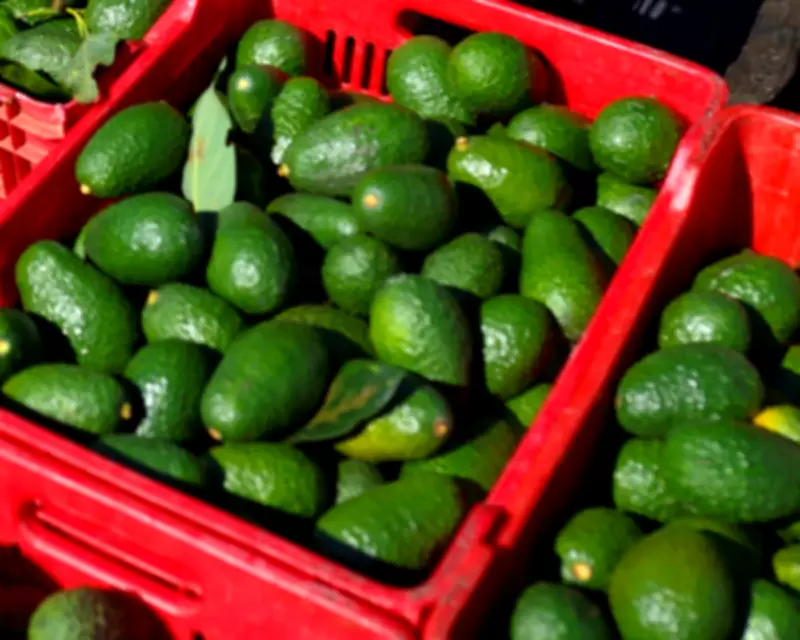
In Tanzania's lush southern highlands, avocado growers face a race against time during peak harvesting season, with shipping lines suspending bookings to key markets in Europe, the Middle East, India, and China. Similarly, in Mombasa, Kenya, warehouses are overflowing with unsold tea, normally destined for Gulf regions and Pakistan. Transform Trade reports that smallholders are accepting prices as low as 50% of usual rates or failing to sell at all, highlighting the war's overlooked global consequences.
Fertilizer Costs Skyrocket, Exacerbating Food Insecurity
The crisis extends beyond immediate export challenges. Fertilizer prices are surging due to disruptions in natural gas and sulfur supplies, critical inputs manufactured in the Gulf and transported via Hormuz. Countries like Sudan, Sri Lanka, and Tanzania, which rely heavily on these imports, are hit hardest. UN Trade and Development warns that higher energy, fertilizer, and transport costs will intensify food price pressures, particularly in vulnerable regions already struggling with debt and inflation.

Humanitarian Fallout: Millions at Risk of Hunger
The UN World Food Programme estimates that a prolonged conflict could push nearly 45 million more people into acute hunger, with sub-Saharan Africa and Asia bearing the brunt. Staple food costs have already risen by 20% in Somalia, and rising global interest rates may hinder government responses. Even if shipping resumes, infrastructure damage and backlogs will prolong the crisis for months.
As the war enters its fourth week, the ripple effects are clear: small-scale farmers in East Africa and beyond face a dual threat of blocked exports and soaring production costs, amplifying global hunger and economic instability.