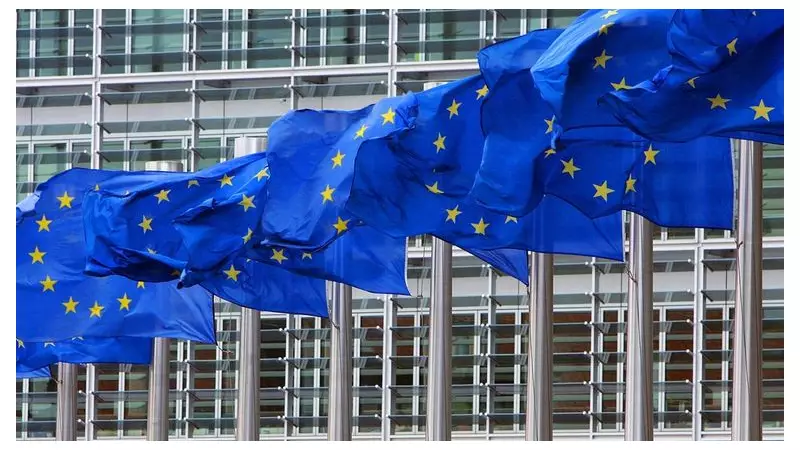
European leaders are confronting what is rapidly escalating into the most significant transatlantic crisis in generations, as they scramble to formulate a unified response to US President Donald Trump's threats over Greenland and new tariffs.
A Historic Crossroads in Brussels
The mood in Brussels is one of grim determination mixed with profound concern. Following a late-night meeting of EU ambassadors on Sunday, 18 January 2026, there is now a widespread realisation that President Trump's desire to "own" Greenland is not a bluff. Diplomacy with the erratic US leader is widely seen as potentially futile on this occasion.
There is unanimous agreement across European capitals on two core principles: a forced seizure of Greenland cannot be permitted, and the tariffs announced by Washington on Saturday against eight nations, including the UK, are unjust. The pressing question is no longer if to respond, but how.

The Unthinkable Option: Europe's Trade Nuclear Button
At the forefront of the debate is an option championed by French President Emmanuel Macron: triggering the EU's anti-coercion instrument. This powerful mechanism was originally conceived as a defence against hostile states like China, not a historically close ally like the United States.
Deploying this instrument, which has never been used before, would authorise the EU to impose retaliatory tariffs on US goods, restrict American investment, and limit access to the coveted European single market. Using this weapon against Washington was once considered unthinkable, but the Greenland crisis has fundamentally altered the calculus. It would be a definitive signal that the bloc will no longer be pushed around by the White House, even at the risk of a severe backlash from President Trump.
Alternative Leverage and a Diplomatic Window
Other strategies are also under active consideration. One involves delaying the ratification of the major EU-US trade deal that was negotiated last summer. Brussels may feel emboldened in this area after just finalising a substantial free trade agreement with the Mercosur bloc of five South American nations. That deal encompasses roughly 30% of global GDP and affects about 700 million consumers.
The third, and least confrontational, path is to persist with diplomatic efforts and hope for an 11th-hour breakthrough. President Trump has stated the new tariffs will not take effect until 1 February 2026, providing a narrow window for action. He has a history of threatening tariffs only to later delay or dilute them.
The imminent World Economic Forum in Davos, Switzerland, presents a critical opportunity. Many European leaders, President Trump, and the NATO Secretary General will be in attendance, allowing for potential face-to-face talks. However, European officials believe they must arrive with a credible "stick"—an agreed-upon package of retaliatory measures—to use as leverage and persuade the US President to climb down.