Trade Negotiations Resume After Two-Month Hiatus
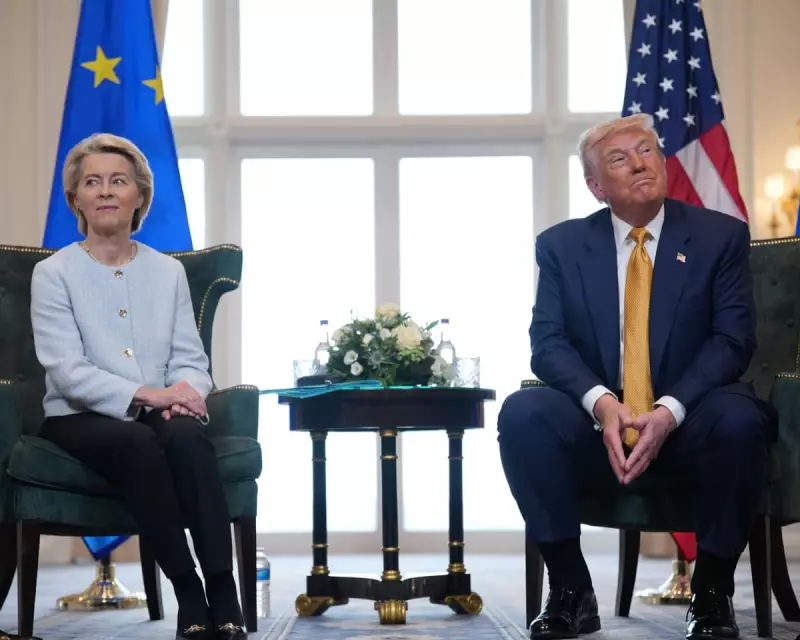
European Union and United States trade representatives are preparing to restart crucial negotiations next week following a two-month pause in discussions. The high-level talks aim to resolve outstanding disagreements from July's controversial tariff agreement struck between Ursula von der Leyen and Donald Trump.
US Commerce Secretary Howard Lutnick and Trade Representative Jamieson Greer will travel to Brussels for face-to-face meetings on Monday with EU commissioners, ministers, and industry leaders. These represent the first direct discussions since the six-week US government shutdown that began in early October.
The meetings carry significant political weight, with Lutnick and Greer invited to lunch with 27 trade ministers gathering for a summit. An insider revealed concerns about keeping discussions focused, noting: "We need to keep it focused, what we don't want is individual countries going up to them and demanding deals on this, this and that."

Unresolved Issues from July's Golf Course Agreement
The original agreement was reached in July at Donald Trump's golf course in Scotland, where the former president threatened 50% tariffs on EU imports before settling on a baseline 15% levy for most goods. However, Washington has grown increasingly frustrated with the EU's slow implementation of this non-binding deal.
The agreement requires parliamentary approval, a process that could extend until February, creating tension between the trading partners. Several significant issues remain unresolved and are expected to dominate Monday's agenda.
Key sticking points include the continuing 50% tariffs on steel and aluminium, separate duties on products containing steel elements, and various food and drink levies. France has been particularly affected by Cognac duties, while Ireland faces whiskey tariffs, and all wine-producing nations contend with the 15% tax on wine and spirits.
Broader Implications and Industry Concerns
The discussions will extend beyond immediate tariff concerns, with US officials scheduled to meet EU commissioners for defence and technology to address the ongoing crisis involving chip supply from China. A business roundtable including Volkswagen and TotalEnergies executives will provide industry perspective.
One particularly contentious issue involves steel derivatives. In September, the US listed 407 products containing steel elements – from knitting needles to wind turbines and washing machines – that would face separate tariffs. The EU considers these measures contrary to the spirit of July's agreement, with one insider calling their removal a "top priority."
The situation has created administrative nightmares for exporters. German agriculture machinery firm Krone reported that US customs officials are charging 200% tariffs to companies failing to complete extensive paperwork documenting steel origin through multiple supplier layers.
Both parties will also explore aligning policies to protect domestic steel industries from cheaper Chinese imports. Brussels hopes its October anti-dumping proposals, which mirror Trump's steel tariffs, will persuade the US to reduce the 50% tariffs on EU steel.
The US continues to expand its protectionist measures, currently considering adding approximately 700 more products to its tariff list, including tin cans and bicycles, as part of an ongoing programme to shield American industries.