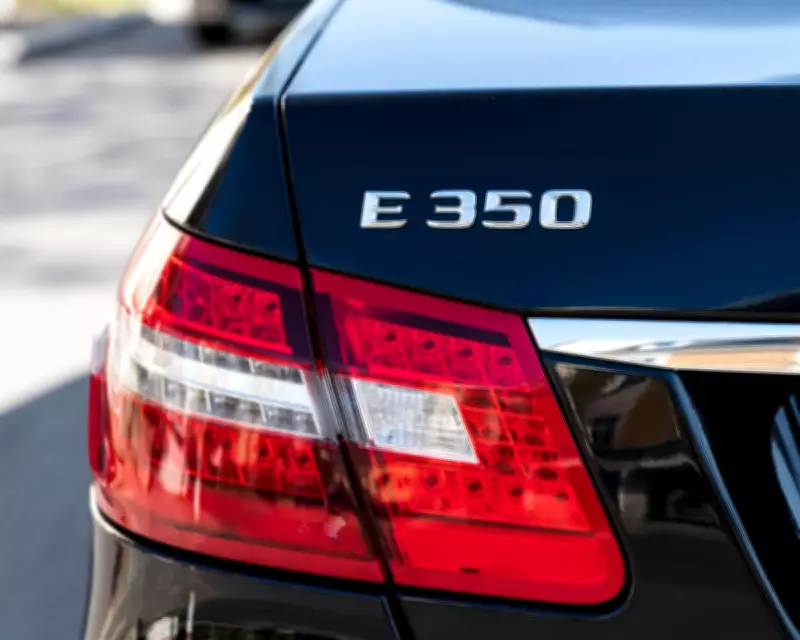
Australia is poised to implement significant changes to its luxury car tax as part of ongoing efforts to finalize a free trade agreement with the European Union. This move comes amid heightened negotiations, with both sides reporting substantial progress and an anticipated visit by European Commission president Ursula von der Leyen to Australia potentially announced in the coming days.
Key Concessions in Trade Talks
The luxury car tax has emerged as a critical sticking point in the discussions. According to sources, the current threshold of $80,000 is expected to be increased to at least $100,000. This adjustment is seen as a major concession to European automotive manufacturers, including industry giants such as BMW and Mercedes-Benz, who have long advocated for more favorable terms in the Australian market.
Impact on Car Pricing and Market Dynamics
Under the existing regulations, vehicles valued above the luxury car tax threshold are subject to a tax rate of 33%. By raising the threshold, the Australian government aims to reduce the financial burden on high-end car imports, potentially making European luxury vehicles more accessible to consumers. This change could stimulate competition and offer buyers a wider range of options in the premium automotive segment.

Government's Stance and Negotiation Efforts
Treasurer Jim Chalmers has publicly acknowledged the government's willingness to include luxury car tax thresholds in the free trade agreement discussions. In a recent statement, he emphasized the urgency of finalizing the deal, stating, "We are trying to finalize that EU free trade deal as soon as we can." Chalmers also praised the efforts of Trade Minister Don Farrell and Foreign Minister Penny Wong, highlighting their roles in advancing the negotiations.
Broader Implications for Trade Relations
The proposed tax adjustment is not merely a technical change but a strategic move to strengthen economic ties between Australia and the European Union. A successful free trade agreement could lead to:
- Enhanced market access for Australian exports in Europe
- Increased investment opportunities in both regions
- Greater collaboration on environmental and technological initiatives
As talks continue, stakeholders are closely monitoring developments, with the luxury car tax revision serving as a pivotal element in achieving a mutually beneficial outcome. The outcome of these negotiations could set a precedent for future trade deals and influence global automotive trade policies.