
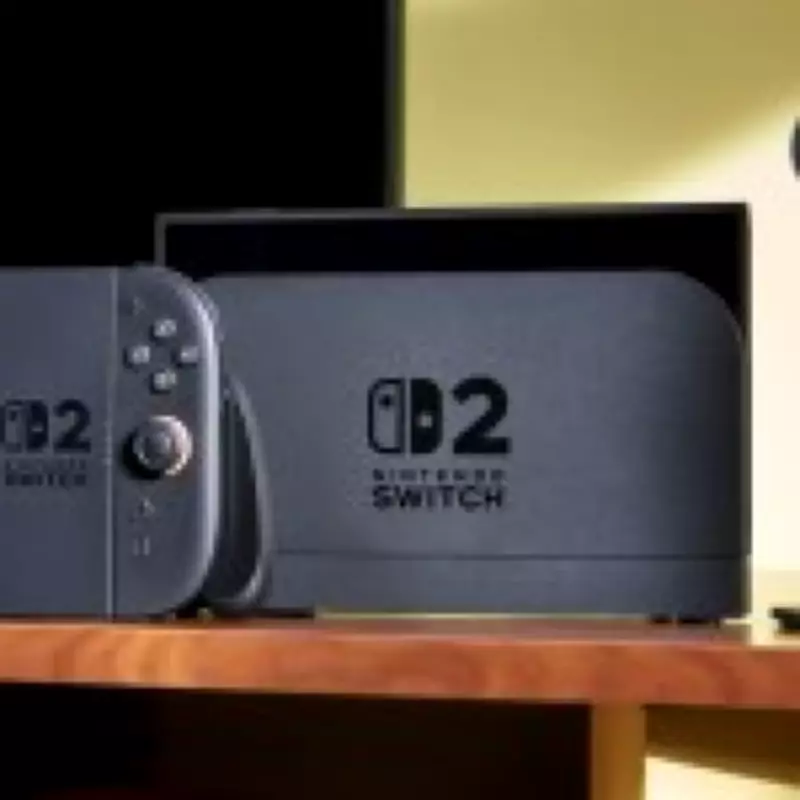
Nintendo's Switch 2 Showcases Surprising Power in Third-Party Ports
In an unexpected twist, the Nintendo Switch 2 has proven to be a formidable platform for running high-end games from the PlayStation 5 and Xbox Series X/S generation, yet Nintendo itself seems reluctant to promote this achievement. The console, unveiled last year with a focus on technical specifications rather than the usual innovative gimmicks, has surprised many with its ability to handle demanding titles.
Technical Prowess Overshadowed by Marketing Silence
Nintendo broke from tradition by emphasizing frame rates and screen resolution during the Switch 2's Welcome Tour, highlighting magnetic Joy-Cons and mouse controls as secondary features. This shift signaled a move toward raw power, a departure from the Wii era where Nintendo consoles were not associated with such capabilities. Despite this, expectations for third-party support remained low, especially after poor ports like WWE 2K18 on the original Switch.
However, nearly a year later, the Switch 2 has defied odds with ports such as Star Wars Outlaws, Resident Evil Requiem, and Assassin's Creed Shadows performing remarkably well. Upcoming titles like Indiana Jones And The Great Circle, Pragmata, and Final Fantasy 7 further showcase its potential. Based on these successes, the Switch 2 could be marketed as a viable alternative to the PlayStation 5, particularly for gamers less concerned about minor performance dips.
Why Nintendo Is Missing a Key Opportunity
Despite hosting Partner Showcase events to spotlight third-party games, Nintendo appears to undersell the quality of Switch 2 ports, even as the console seeks a sales boost in Western markets. This lack of promotion makes it difficult to assess the console's true power, especially with inconsistent port performances. For instance, Take-Two paused development on the Switch 2 version of Borderlands 4, and IO Interactive delayed 007 First Light to summer 2026, while Elden Ring: Tarnished Edition faced performance issues that were later resolved.
These challenges raise questions about whether optimizing games for the Switch 2 is more complex than it seems, but current evidence suggests this could be Nintendo's most powerful console since the GameCube, with the best third-party support in years. Yet, Nintendo's marketing focuses heavily on first-party titles like Donkey Kong Bananza and Mario Kart World, which were originally designed for the Switch 1 and do not serve as tech demos.
The Consequences of Underpromotion
Nintendo's initial emphasis on technical specs has not translated into active demonstrations of the Switch 2's capabilities. There were no tech demos before launch or graphical showcases in its first year, aside from promising looks at next year's Pokémon Winds and Waves. This reluctance may stem from a desire to avoid promoting other companies' games without payment, but it risks leaving a key selling point untapped.
As a result, the Switch 2's marketing suffers from an unnecessary oversight. While not fatal, this own goal could impact sales momentum, especially when strong third-party ports are a clear advantage that most consumers would not anticipate from a Nintendo console. By failing to highlight these successes, Nintendo may be missing out on a crucial opportunity to attract a broader audience and reinforce the Switch 2's position in the competitive gaming market.




