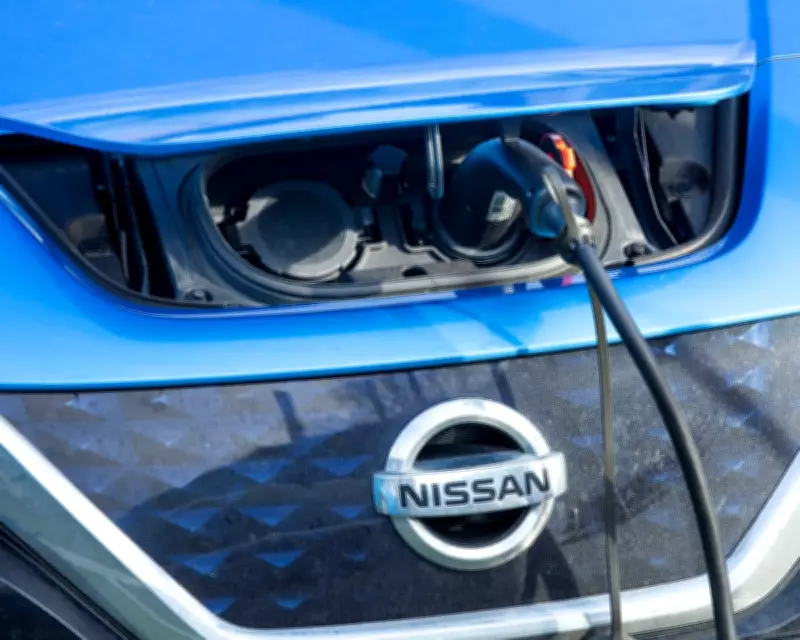
Nissan Leaf Owners Voice Fury Over App Shutdown Cutting Remote EV Controls
Owners of Nissan Leaf electric vehicles are erupting in anger after the carmaker announced it will shut down an app that enables remote control of battery charging and other key functions. This decision affects drivers of Leaf models manufactured before May 2019 and the e-NV200 van produced until 2022, with the NissanConnect EV app set to "cease operation" from March 30. The move strips away remote services, including the ability to turn on heating and access certain map features, leaving many feeling betrayed by the brand.
Outrage Over Premature Obsolescence in Connected Cars
Alan Clucas, a Nissan Leaf owner and Guardian Money reader, voiced his distress over the switch-off, noting that some impacted vehicles are less than four years old. "I think Nissan should do better," he stated, highlighting the inconvenience of losing smart-charging capabilities and remote warming on frosty mornings. Online forums are ablaze with similar complaints, with one motorist calling it "shockingly bad" that Nissan only supported this core EV feature for seven years, given cars often last over 12 years.
Another driver pointed out the unfairness for those with early 2020 models, who face losing remote access with just a month's notice. This incident follows previous criticism in 2024 when Nissan dropped support for first-generation Leaf cars after the UK's 2G network shutdown, underscoring a pattern of digital abandonment.
Experts Warn of Broader Implications for Aging Connected Vehicles
Steve Walker from Auto Express cautioned that this situation previews a looming issue as today's connected cars age. "As modern cars that are even more reliant on connected services and updates than the Leaf age, it is likely that manufacturer support for their systems will drop away, too," he explained. This could render features like navigation systems, touchscreen controls, and subscription-based amenities such as heated seats or autonomous driving aids obsolete, potentially shortening vehicle lifespans.
Walker emphasized the environmental stakes: "Nobody wants to see cars rendered obsolete before their time. The best way to minimise the environmental impact of cars is to build them to last. Software and digital systems need to be as durable and reliable as mechanical components."
Shift to Software-as-a-Service Models Sparks Consumer Concerns
Benjamin Gorman, a senior lecturer at Bournemouth University, linked the debacle to the tech industry's pivot toward software-as-a-service (SaaS) models. He compared it to Adobe Photoshop, where one-time purchases have given way to ongoing subscriptions. While this works for games and entertainment, Gorman noted it's problematic for expensive physical products like cars, which consumers expect to function for decades.
"I suspect we will see this issue more often in the coming years as vehicles become increasingly software-driven," Gorman said. "We are seeing more manufacturers experiment with subscription fees for connected features ... but it raises important questions about what consumers feel they should permanently own versus what they are effectively renting through software services."
Nissan has stated that in-car services such as climate control and charging timers will remain accessible via the infotainment system, but remote functionalities and select map-related features will be discontinued. The company cited the app's inability to be "upgraded to support future enhancements" as the rationale, yet for many Leaf owners, this explanation falls short in addressing their frustration over lost convenience and value.