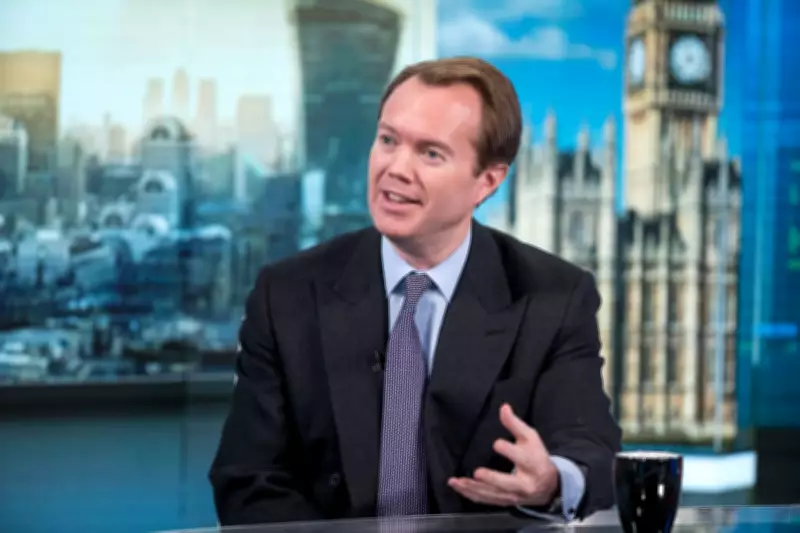
Julius Baer International CEO, David Durlacher, has stated that artificial intelligence (AI) is not a threat to the wealth management industry, but rather a tool that can enhance the services provided by human advisors. In a recent interview, Durlacher emphasized that the personal relationships and trust built between clients and their advisors are irreplaceable by technology.
AI as a Complement, Not a Replacement
Durlacher explained that AI can handle data analysis, risk assessment, and portfolio optimization, freeing up advisors to focus on more strategic and personalized client interactions. He noted that while AI can process vast amounts of information quickly, it lacks the emotional intelligence and nuanced understanding that human advisors bring to complex financial decisions.
The Importance of Trust
Trust is the cornerstone of wealth management, according to Durlacher. Clients often seek advice during significant life events, such as inheritance, retirement, or business sales, where empathy and discretion are crucial. AI can support these conversations by providing accurate data, but the final decisions and relationship management remain in human hands.

Adapting to Technological Change
Julius Baer is investing in AI to improve efficiency and client outcomes. The bank uses machine learning algorithms to identify investment opportunities and monitor market trends. However, Durlacher stressed that technology is a means to an end, not an end in itself. The goal is to leverage AI to deliver better, more tailored advice.
Industry-Wide Implications
Durlacher's comments reflect a broader sentiment in the financial services industry. Many firms are adopting AI to streamline operations, but few believe it will replace human advisors entirely. Instead, the role of the advisor is evolving to incorporate technological insights while maintaining the human touch.
Future of Wealth Management
Looking ahead, Durlacher predicts that AI will become an integral part of wealth management, but the human element will remain paramount. He advises young professionals entering the field to embrace technology while honing their interpersonal skills. The successful advisor of the future will be one who can blend data-driven insights with genuine client empathy.
In conclusion, Durlacher is confident that AI will not diminish the value of human advisors. On the contrary, it will empower them to provide superior service, strengthening the client-advisor relationship. As the industry continues to evolve, the focus will remain on trust, personalized advice, and the human connection that technology cannot replicate.