The Free Gaming Paradox: Would Player Preferences Actually Shift?
Imagine a world where every video game is completely free, accessible to anyone without cost. This intriguing scenario, posed by a reader, challenges the current gaming landscape dominated by free-to-play online shooters and microtransactions. But if financial barriers vanished, would players truly explore new genres, or would human nature keep them tethered to familiar titles?
The Economics of Modern Gaming
Video game pricing presents a curious paradox. Over the past four decades, the average cost of games has barely increased, with consoles seeing only modest price hikes. While this sounds advantageous in theory, games remain expensive for many consumers, often requiring extensive research or waiting for sales before purchase.
Publishers face mounting development costs, creating tension between consumer reluctance to pay more and industry financial needs. The solution has been the free-to-play model, where revenue comes not from game sales but from microtransactions—cosmetic items like skins that seem trivial to some but highly desirable to others.
This economic shift has created a landscape where titles like Fortnite operate as virtual industries unto themselves, with half of all gaming activity concentrated in about ten games that have dominated for nearly a decade.
The Dominance of Competitive Multiplayer Games
Most free-to-play games are online multiplayer experiences, primarily shooters but also titles like Rocket League. Competitive games achieve universal popularity because they're instantly understandable and provide social motivation for cosmetic purchases—players buy skins and gear to showcase status among peers.
But what if all games were magically free, with microtransactions either nonexistent or also free? Would personal preference finally dictate what people play, unleashing a renaissance of obscure genres like real-time strategies and space combat simulators?
The Reality of Human Behavior
Initially, this thought experiment suggests players would freely explore, discovering weird and wonderful games they never knew they'd enjoy. Money would cease to be an obstacle, allowing whimsical experimentation. However, reality paints a different picture.
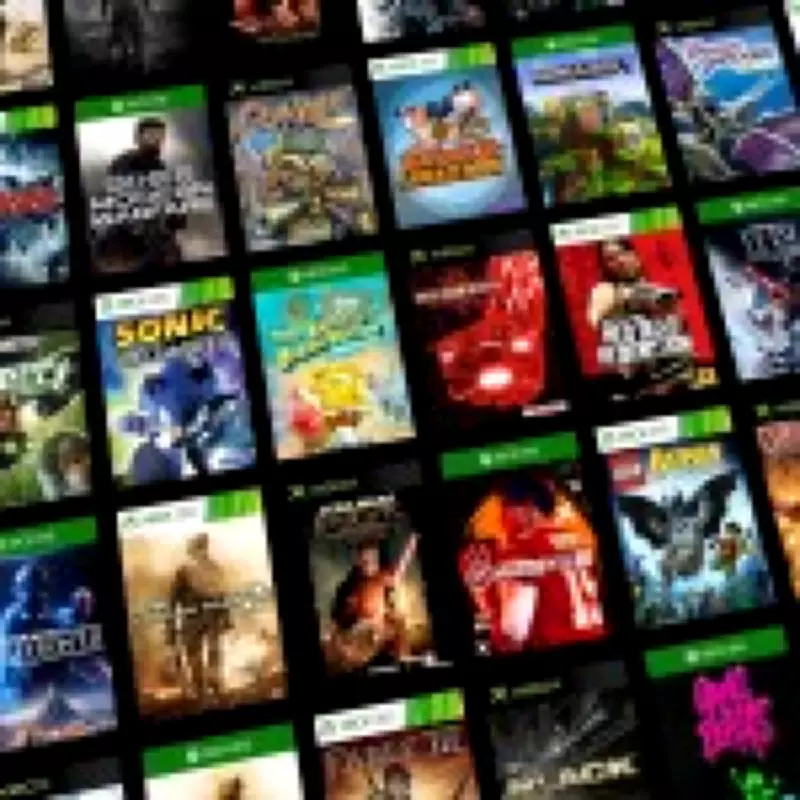
Even without financial cost, games demand time—a resource most people aren't willing to invest in learning something new during brief gaming sessions meant for quick entertainment or relaxation. Evidence from services like Game Pass, which offers games at no point-of-use cost, demonstrates that players typically stick to familiar titles rather than sampling unknown games or indie discoveries.
"I've heard of people flicking through a dozen or more games, playing each for mere minutes before dismissing them," notes the analysis. This behavior stems not just from time constraints but from lack of confidence in enjoying unfamiliar experiences—a fundamental aspect of human nature observable on streaming platforms like Netflix, where mainstream, accessible content consistently outperforms avant-garde offerings.
The Limits of Gaming Expansion
The high cost of gaming creates an illusion that cheaper access would radically transform tastes. In reality, preferences would likely expand only slightly. Historical periods with more diverse mainstream genres occurred not just because games were cheaper to develop but because gaming audiences were more dedicated, actively seeking novelty.
Today, most people who play games don't consider it a primary hobby—a natural consequence of the medium's mainstream success. This reality challenges ambitious industry goals, like Xbox's target of three billion players, revealing that global gaming enthusiasm has inherent limits.
Ultimately, if all games were free, the gaming landscape might see minor diversification, but core player behavior would remain remarkably consistent. Familiarity, time constraints, and human psychology would continue shaping choices, proving that removing financial barriers alone cannot fundamentally alter how people engage with interactive entertainment.