
Amazon's Leo Satellite Internet Service Targets Mid-2026 Launch
Amazon has officially announced that its long-awaited satellite internet service, Leo, is scheduled to go live in mid-2026, according to a recent statement from CEO Andy Jassy. In a letter to shareholders, Jassy revealed that the company is "on the verge of launching Amazon Leo" and has already secured revenue commitments from various enterprises and governments for the project.
Background and Development of the Leo Constellation
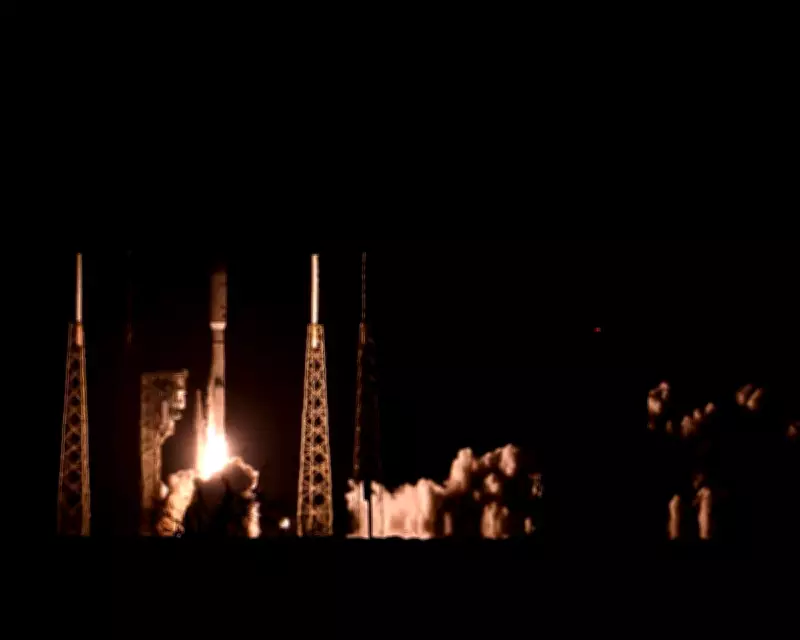
Originally conceived in 2019 as Project Kuiper and renamed last year, Leo currently has 200 low-orbit satellites in space, with plans to deploy a few thousand more in the coming years. This initiative aims to establish Amazon as the second major commercial satellite presence in space, though it will still lag significantly behind SpaceX's Starlink, which boasts nearly 10,000 satellites and aims for up to 42,000 in the future.
Integration with AWS and Key Partnerships
Jassy emphasized that Leo will seamlessly integrate with Amazon Web Services (AWS), enabling enterprises and governments to utilize the cloud computing platform for data storage, analytics, and artificial intelligence applications. He also highlighted strategic partnerships, including Delta Air Lines, which has named Leo as its future onboard wifi provider, with plans to implement it on 500 planes starting in 2028. Other notable customers mentioned include JetBlue, AT&T, Vodafone, DIRECTV Latin America, Australia's national broadband network, and NASA.
Challenges and Competitive Landscape
Amazon's entry into the satellite internet market has faced delays and challenges, including reliance on competitors' rockets for launches. However, the company has announced that Blue Origin, also owned by Jeff Bezos, will take primary responsibility for launching Leo satellites from 2027 onwards. The rivalry between Amazon and SpaceX, driven by Bezos and Elon Musk, is expected to shape the commercial space industry for decades, with both companies exploring datacentres in orbit and commercial space travel.
Future Prospects and Historical Context
It remains uncertain whether Leo will join Amazon's successful ventures like Alexa and Kindle or face challenges similar to the Fire phone and Amazon Fresh. As the launch date approaches, the industry watches closely to see how this new service will impact global internet connectivity and the broader space economy.




