Young Fishermen Network Revives Cornwall's Fishing Industry with Training and Taster Days
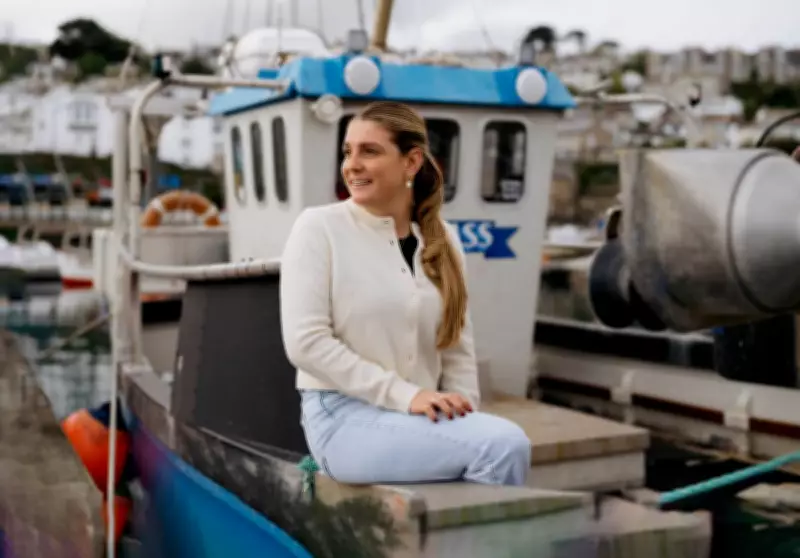
On a serene mid-morning in Newlyn, Cornwall, Will Roberts, aged 22, returns to the quayside with a fresh catch of mackerel, having embarked before dawn. As one of the few young fishers operating his own commercial boat from the port, Roberts embodies a rare but growing trend in the region. "It's a magical feeling when you set out in the dark, with no one else around, and see the Milky Way in the sky above you," he shares. "I couldn't imagine working in an office or somewhere indoors, and not be surrounded by all of this."
Addressing Youth Unemployment Through Fishing Opportunities
Watching Roberts unload his catch is a group of potential recruits, part of a taster day organized by Seafood Cornwall Training and the Cornwall Fish Producers' Organisation (CFPO). This initiative aims to attract young people to fishing careers, countering Cornwall's high levels of self-employed, part-time work often tied to tourism, which typically offers low pay and job insecurity. According to a CFPO report, fishing contributes £130 million annually to Cornwall's economy and supports 7,800 jobs across the supply chain, with each fisher at sea creating 15 additional onshore roles.
Nigel Taylor, a 53-year-old fishing veteran from a village near Newlyn, reflects on the industry's evolution. "When I was growing up, everybody had connections with the port," he says. "Working-class kids could start straight from school and make a lot of money. We used to be called three-day millionaires because we were only out at sea for three days and could make a small fortune. That has changed – but there are still fish out there to catch and you can still make a very good living."
Financial Incentives and Training Programs
The National Careers Service notes that deckhands earn between £22,000 and £30,000 yearly, but experienced fishers at the taster day suggest earnings can reach £40,000 to £50,000 quickly. This potential income is a revelation for participants like Tom Miller, 17, a labourer from Newquay, who signs up for a 10-day training course to obtain mandatory sea certificates. "People tend to think that fishing is just being cold and wet all the time," Miller explains. "I spent a lot of time as a kid fishing with my dad. I've always really liked it, and so why not give it a go as a job? It's a more steady income than labouring jobs. And I love being out at sea. I honestly wouldn't care what the weather is like."
Reece Kelly, 22, from Camborne, echoes this sentiment, eager to escape supermarket work. "I am getting pretty bored working in a supermarket," he admits. "I love the sea and I like the idea of doing something outside in the open air that's a bit more exciting than Tesco."
Matilda Phillips and the Young Fishermen Network
Matilda Phillips, 22, from a fishing family in Cadgwith, co-founded the Young Fishermen Network (YFN) two years ago to support youth entering the industry. With over 70 members across Cornwall's ports, YFN is the UK's first network focused on young fishers. "Fishing gives young people the opportunity to stay here in Cornwall," Phillips emphasizes. "People talk about decline in fishing, but what I see is an industry that's thriving. In Cadgwith, there are six full-time boats all crewed by people under the age of 30. Many members of the network really enjoy being part of a heritage industry that's gone on for hundreds of years, and the fact that fishermen are still highly respected in our communities. Fishing gives you an identity, a sense of belonging."
Personal Transformations and Community Impact
For Will Roberts, fishing has been transformative. Struggling with mental health issues and social anxiety as a teenager, he found solace and support in the harbour community. "I had severe social anxiety and found it really hard to talk to people," he recalls. "When I started fishing, I didn't have a clue what I was doing and I didn't know anyone in the harbour. But then the older guys all started talking to me. They've been amazing and given me so much help. My anxiety has pretty much disappeared now."
Roberts also runs a YouTube channel, The Cornish Fisherman, with videos garnering over 50,000 views. "I am not sure why people like the videos so much, they are just me in the boat, having good days, having bad days," he says. "But I enjoy showing what my life is like. There aren't that many other fishermen using a rod and line like I do; this way of catching has been fading out. But people seem to want to buy fish that's been line-caught, so maybe it will become more popular again." He keeps his best fishing spots secret, turning off the camera when heading to prime locations.
Looking to the Future
Despite recent storms battering Cornwall, Roberts remains committed to fishing. "There are some older fishermen who meet up on a bench in front of the lifeboat station every day, just to chat and tell wild stories," he notes. "They keep joking that one day it will be me sitting on that bench and I'll be the old man telling stories to the young folk. They are probably right – that probably will be me one day. Because once fishing is in your blood, it seems to stay there."
Through taster days, training programs, and the efforts of the Young Fishermen Network, Cornwall's fishing industry is not only providing viable career paths for youth but also fostering a sense of community and heritage that anchors the region's economy and identity.