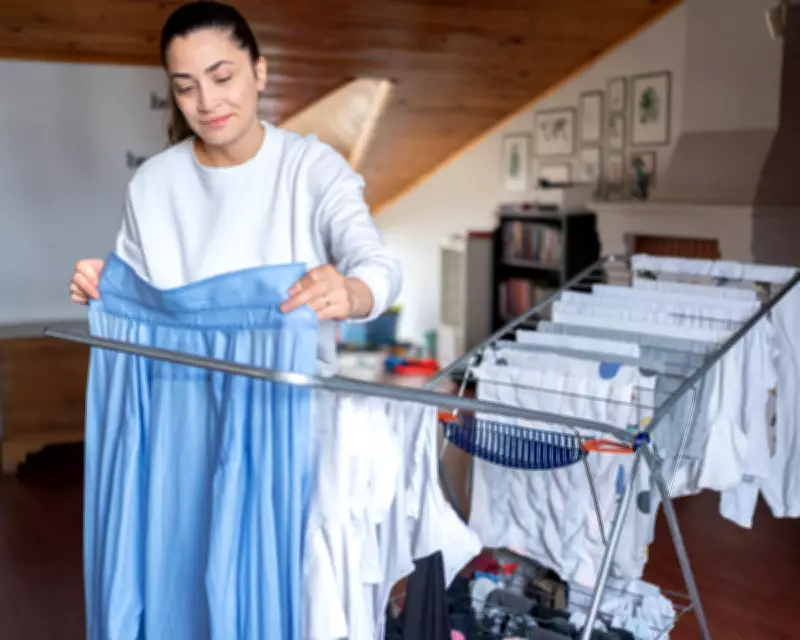
Heated Clothes Dryers: Revolutionizing Indoor Laundry Drying
In the modern household, the quest for efficient and practical laundry solutions has led to the rise of heated clothes dryers and airers. These innovative appliances offer a compelling alternative to traditional tumble dryers, particularly in urban environments where space and energy costs are significant concerns. As more consumers seek ways to reduce their carbon footprint and utility bills, heated drying options are gaining traction for their ability to dry clothes quickly and effectively indoors, without the need for extensive ventilation or outdoor space.
How Heated Clothes Dryers Work
Heated clothes dryers function by using electric heating elements to warm the air around hanging laundry, accelerating the evaporation process. Unlike conventional tumble dryers that rely on tumbling action and high heat, these devices often feature racks or frames where clothes are suspended, allowing for gentle and even drying. Many models include adjustable temperature settings and timers, providing users with control over energy consumption and drying times. This technology is particularly useful in damp or cold climates, where natural air drying can be slow and impractical, ensuring that laundry is ready to wear in a fraction of the time.
Benefits of Using Heated Airers
The advantages of heated clothes dryers extend beyond mere convenience. Firstly, they are typically more energy-efficient than traditional tumble dryers, as they use lower temperatures and targeted heating, which can lead to reduced electricity bills. Secondly, they are gentler on fabrics, minimizing wear and tear and helping clothes last longer. Additionally, these dryers are compact and portable, making them ideal for apartments or homes with limited space. They also contribute to better indoor air quality by reducing humidity levels associated with wet laundry, which can prevent mold growth and musty odors. For households looking to embrace sustainable living, heated airers offer a greener alternative by consuming less power and reducing reliance on fossil fuels.
Key Features to Consider When Choosing a Heated Dryer
When selecting a heated clothes dryer, several factors should be taken into account to ensure optimal performance and value. Look for models with robust safety features, such as automatic shut-off mechanisms and overheat protection, to prevent accidents. Energy efficiency ratings are crucial, as they indicate how much power the device uses, impacting long-term costs. Consider the drying capacity, measured in kilograms or by the number of items it can hold, to match your household's laundry needs. Other useful features include foldable designs for easy storage, multiple heat settings for different fabric types, and quiet operation to avoid disruption. Reading user reviews and comparing brands can help identify reliable products that offer durability and effective drying results.
Comparing Heated Dryers to Traditional Tumble Dryers
While traditional tumble dryers are popular for their speed and capacity, heated clothes dryers present distinct advantages in certain scenarios. Tumble dryers often require more space, higher energy input, and can be harsh on delicate garments, leading to shrinkage or damage. In contrast, heated airers are more suitable for smaller loads, delicate items, and energy-conscious users. They are also quieter and produce less heat, making them better for use in living areas without causing discomfort. However, for large families or bulk drying, tumble dryers may still be preferable due to their faster drying times for heavy fabrics. Ultimately, the choice depends on individual needs, with heated dryers excelling in efficiency and fabric care for everyday use.
Future Trends in Laundry Drying Technology
The market for heated clothes dryers is evolving, with manufacturers incorporating smart technology and eco-friendly innovations. Future models may include Wi-Fi connectivity for remote control via smartphones, allowing users to monitor drying progress and adjust settings from anywhere. Energy-saving advancements, such as solar-powered elements or improved insulation, could further reduce environmental impact. There is also a growing focus on design aesthetics, with sleek and modern styles that blend seamlessly into home decor. As awareness of sustainability grows, these appliances are likely to become more mainstream, offering consumers practical solutions that align with green living principles. By staying informed about these trends, buyers can make choices that enhance both convenience and ecological responsibility.
In summary, heated clothes dryers and airers represent a significant step forward in laundry care, providing efficient, gentle, and space-saving alternatives to traditional methods. Whether you're dealing with limited space, high energy costs, or a desire for more sustainable living, these devices offer a versatile solution that meets the demands of modern households. By understanding their features and benefits, consumers can make informed decisions to improve their drying routines and contribute to a more energy-efficient home.