Chargeback Fraud Epidemic: How Dishonest Claims Hurt Small Businesses and Honest Consumers
Chargeback fraud, a deceptive practice where consumers illegitimately reverse card payments for goods or services, is being described as an "epidemic" by industry experts. This growing trend not only threatens the survival of small businesses but could also lead to higher costs for honest customers as merchants seek to recover losses.
The Scale of the Problem
According to forecasts by researchers Datos Insights, chargeback is projected to be used 281 million times globally this year, with up to 70% of these cases estimated to be fraudulent. Monica Eaton, chief executive of Chargebacks911, the world's largest chargeback dispute management company, states, "Bottom line: This problem has really become an epidemic. It's really severe for all the small businesses and entrepreneurs."
Impact on Small Businesses
Small business owners are bearing the brunt of this fraud. Nima Safaei, owner of 40 Dean Street restaurant in London's Soho, lost £2,000 to fraudsters last autumn. He expressed his frustration, saying, "It is very disappointing and disheartening, to be honest. For a small independent business, £2,000 is a lot of money. If that would happen in the long-term, say a year, we'd definitely not survive it."
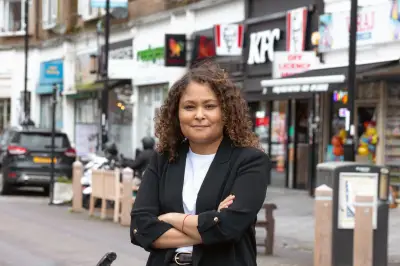
Ravneet Gill, a pastry chef and TV presenter, faces fraudulent chargeback claims at her Chingford restaurant at least once a month. Her establishment, Gina Restaurant, charges no-show fees for large groups, but customers often file chargeback claims to avoid paying. Gill notes, "It's incredibly detrimental in an area where you don't get walk-in foot traffic. It just makes you lose faith in people."
Types of Chargeback Fraud
Chargeback fraud varies in severity:
- Friendly Fraud: This occurs when customers mistakenly claim fraud, such as failing to recognize a transaction on their bank statement.
- Life Hack Abuse: Some consumers, influenced by social media, use chargeback as a convenient way to get refunds for dissatisfaction.
- Outright Fraud: This involves keeping goods while requesting both a refund and a chargeback, sometimes escalating to low-level organized crime.
Adam Scarrott, director of issuing and acceptance at UK Finance, explains, "This is a fantastic protection for consumers, but there are, it seems, a large number of consumers who are abusing that."
The Financial Toll
The costs associated with chargeback fraud are staggering. For every £1 in a chargeback claim, retailers lose £2.85 in fees, interest, and merchandise, according to LexisNexis Risk Solutions. Financial services firms face even higher costs, up to £4.80 per claim due to investigative efforts. Globally, chargebacks were valued at an estimated $33.8 billion last year, with the UK recording an average chargeback value of £60.
Scarrott warns, "The ultimate consequence of consumers raising fraudulent chargebacks? It becomes part of an overhead, which raises prices for us: the genuine people, the honest people."
Challenges in Fighting Fraud
Chargeback fraud is a relatively new phenomenon, and there is a lack of centralized data on its prevalence. Banks and retailers are often reluctant to accuse customers of fraud. When merchants dispute claims, the process is tedious and time-consuming. Gill shared her experience, "Every time I submitted that evidence, I never won, I never got my money back. So I just resigned to the fact that this is just part and parcel of running an online business."
What Can Be Done?
Experts recommend several strategies for merchants to protect themselves:
- Work directly with acquirers or payment processors to challenge disputed transactions.
- Use strong authentication tools and ensure clear receipts and product descriptions.
- Record evidence of deliveries and consider third-party software for dispute management.
- Build relationships with customers to reduce impersonal chargeback claims.
Eaton emphasizes, "People don't file chargebacks against people, interestingly. They file chargebacks against the virtual community, a store." While cash is suggested as a failsafe, its use is declining in today's digital economy.
As chargeback fraud continues to rise, the need for awareness and proactive measures becomes increasingly urgent to safeguard small businesses and prevent honest consumers from footing the bill.