NASA Considers Delaying Artemis II Moon Mission After Helium Flow Discovery
NASA has announced it may roll back the Artemis II rocket launch following the discovery of an interrupted helium flow in the Space Launch System (SLS) rocket. This development could significantly impact the planned March launch window for the mission, which aims to send four astronauts on a historic journey around the moon.
Helium Issue Threatens Launch Timeline
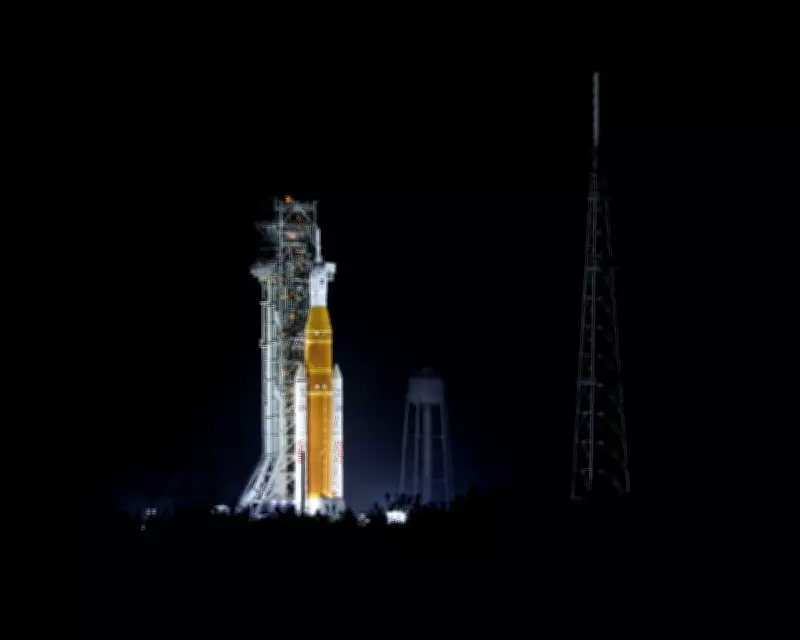
In a blog post on Saturday, NASA revealed it is taking steps to potentially return the Artemis II rocket and Orion spacecraft to the Vehicle Assembly Building at the Kennedy Space Center in Titusville, Florida. The agency observed an overnight interruption in the helium flow within the rocket's interim cryogenic propulsion stage, a critical component required for launch. NASA stated, "This will almost assuredly impact the March launch window," casting doubt on the previously announced target date of 6 March.
Background on Artemis II Mission
NASA had earlier targeted 6 March for the launch after successfully completing a fueling test that had caused a stand-down earlier in the month. The Artemis II mission involves four astronauts: three Americans – Reid Wiseman, Victor Glover, and Christina Koch – and one Canadian, Jeremy Hansen. On Friday, these astronauts entered a second period of quarantine in anticipation of the new launch date, which NASA announced "with caveats" due to remaining preparatory work after Thursday's fueling test.

Mission Details and Future Plans
The Artemis II mission is set to conduct a 10-day trip around the moon without landing, taking humans further into space than ever before. According to NASA, the mission will fly approximately 4,700 miles (7,600km) beyond the far side of the moon, surpassing the distance record set by Apollo 13 in 1970. This flight is designed to test systems for future deep-space exploration. It serves as a precursor to Artemis III, scheduled for 2028, which will mark the first human landing on the moon since the final Apollo program flight in December 1972.
NASA has several launch dates available in early March, but the helium flow issue may necessitate a delay. The agency continues to assess the situation as it works towards ensuring a safe and successful mission.