Shipping Traffic Plummets in Vital Strait of Hormuz After Middle East Escalation
Marine traffic through one of the world's most crucial trade chokepoints has dramatically declined following recent military actions in the Middle East. The Strait of Hormuz, a narrow passage handling approximately 20% of global fuel shipments, has become increasingly perilous for vessels after joint United States and Israeli bombing raids targeted Iran.
Marine Trackers Reveal Empty Waters as Tankers Avoid Danger Zone
According to maritime intelligence from Lloyd's List, at least nine tankers have been attacked in or near the strategic waterway since hostilities escalated. This has prompted shipping companies to suspend operations through the 24-mile wide strait that typically sees over 100 oil and natural gas tankers daily transporting resources from Gulf states to international markets.
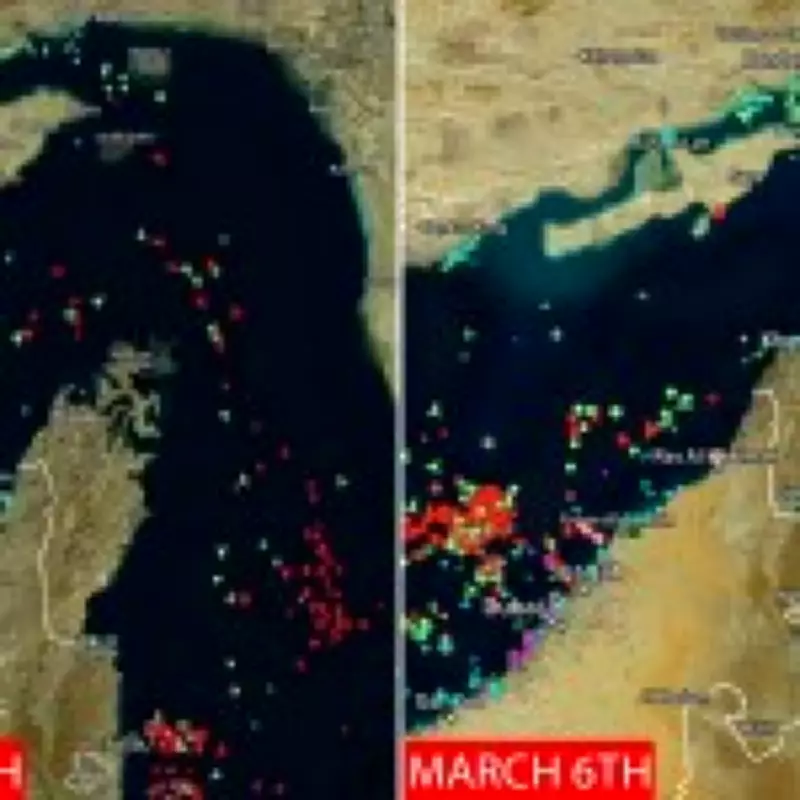
Real-time marine tracking data shows remarkably few vessels currently navigating the Strait of Hormuz. Most ships appear to be avoiding proximity to the Iranian coastline entirely, instead congregating near safer waters off the United Arab Emirates, Kuwait, and Saudi Arabia while awaiting clearer security conditions.

Economic Consequences Spread Globally as Oil Prices Surge
The shipping disruption has triggered immediate economic repercussions worldwide. Brent crude oil prices have climbed to $85.75 per barrel, reaching levels not seen since July 2024. Market analysts note this represents nearly a 20% weekly increase, potentially the largest advance since February 2022.
Matt Britzman, senior equity analyst at Hargreaves Lansdown, warned: "Higher oil prices typically translate to consumers almost immediately through increased petrol costs. This development risks reigniting inflationary pressures just as central banks were anticipating some relief."
Even traditionally stable assets like gold have experienced volatility due to Middle East tensions, while hundreds of seafarers remain stranded aboard ships unable to depart the Persian Gulf region.
Iranian Control Claims and International Response
Iran's Revolutionary Guard Corps has asserted control over the strategic waterway, threatening to target any vessels linked to the United States, Israel, or European nations attempting passage. Despite former President Donald Trump's proposal for US-backed insurance and naval escorts for tankers, maritime insurers have either cancelled coverage or significantly increased premiums for ships operating in the area.
This insurance situation has made most shipping companies reluctant to risk transit through the conflict zone, effectively creating a maritime blockade through economic rather than purely military means.
Broader Impacts on Travel and UK Economy
The crisis extends beyond immediate shipping concerns. Aviation expert Bernard Lavelle cautioned that while airlines are somewhat insulated from immediate oil price fluctuations, prolonged disruption "will start going back into the prices," potentially affecting Easter holiday travel if peaceful resolution isn't achieved in coming weeks.
For the United Kingdom, the situation affects everything from petrol station operations to consumer finances. Analysts suggest anticipated interest rate cuts by the Bank of England now appear increasingly unlikely given the inflationary pressures created by the Middle East conflict.
Although some UK forecourts have reported queues due to precautionary purchasing, government officials maintain that Britain's fuel supply remains secure. The UK primarily sources natural gas from Norway, domestic North Sea operations, and the United States, with Qatar contributing just 1.2% of imports. Crude oil arrives predominantly from the US, Norway, Libya and Canada, while refined petroleum products come mainly from the Netherlands, US, Belgium and Sweden.
As the standoff continues, concerns mount that Iran's effective closure of this vital trade artery could severely disrupt global commerce and transportation networks if tensions persist for weeks rather than days. The international community watches anxiously as diplomatic efforts continue to seek resolution to this escalating maritime crisis.