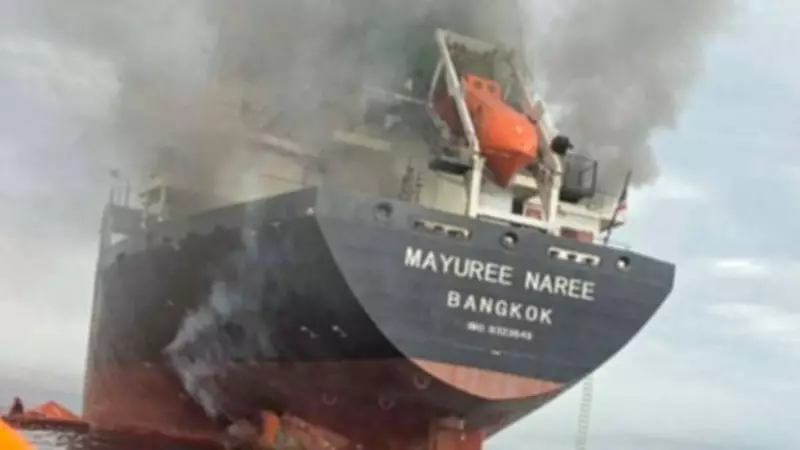
Protecting Global Shipping from Iran's Attacks in the Strait of Hormuz
As Iran escalates its attacks on maritime traffic in the Strait of Hormuz, a critical waterway handling a fifth of the world's oil and gas trade, governments and industries worldwide are grappling with urgent solutions to secure this narrow shipping lane. The strategic channel, just 24 miles wide at its narrowest point, is now a focal point of retaliation amid ongoing conflicts, threatening global markets and supply chains for essential products like fertiliser, plastics, and composite materials.
Iran's Arsenal and the Threat to Shipping
Iran employs a diverse range of weapons to disrupt shipping, including sea and air drones, anti-ship mines, missiles, submarines, and GPS jamming systems that undermine navigation. These tactics aim to inflict economic pain in response to joint attacks from the US and Israel, creating a volatile environment for commercial vessels navigating the strait.
Military Strategies and Challenges
Former US President Donald Trump has proposed escorting commercial ships with US warships, but military experts like Michael Clarke express skepticism. Clarke highlights the logistical challenges, noting that there are never enough warships to escort all tankers through such a difficult passage. He also doubts the feasibility of arming oil tankers with defensive systems against drones, emphasizing the need for comprehensive radar and reconnaissance capabilities.

Another suggested approach involves deploying a gun line of air defence destroyers along the Gulf coast facing Iran, supported by air power to neutralize threats. However, Clarke warns that this could play into Iran's hands by drawing the US into intense, low-level combat on Iranian territory, with high risks of disruption.
Insurance and Economic Measures
Trump has floated the idea of providing insurance and guarantees for shipping at reasonable prices, with the US government allocating $20 billion for this purpose. Yet, Professor Clarke argues that this funding doesn't touch the sides given the potential costs of insuring vessels in such a high-risk zone, underscoring the economic complexities of securing maritime trade.
Technological Defenses and GPS Jamming
In response to drone attacks, experts like Dr. Ramsey Faragher of the Royal Institute of Navigation suggest that jamming GPS navigation systems could serve as a cheap and effective first line of defence. Multiple countries in the Gulf region may be employing this technology to counter Iranian interference, though its long-term efficacy remains unproven as maritime traffic in the strait nears a standstill.
US Military Focus and Ongoing Efforts
General Dan Caine, the highest-ranking US military officer, has emphasized efforts to degrade Iran's capability to disrupt shipping by targeting minelaying operations, naval bases, and missiles. While he claims the Iranian navy has been rendered combat ineffective, he acknowledges that Iran retains significant attack capabilities at sea, with work continuing to mitigate these threats.
As global leaders weigh options, from military escorts to technological countermeasures, the ultimate protection of shipping in the Strait of Hormuz remains uncertain. With the waterway's traffic severely impacted, the international community faces a pressing need to balance defensive strategies against the risks of escalation in this volatile region.