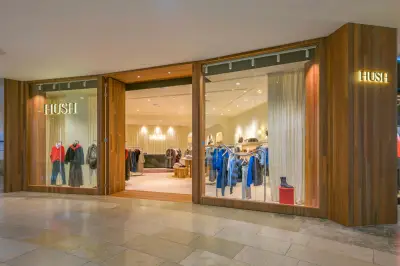
A new study suggests that the scent of vanilla, warm amber lighting, and a carefully chosen playlist could be key to reviving the UK high street amid ongoing closures. The research, conducted by Faire and surveying 2,000 shoppers, found that the right atmosphere would persuade the average person in the UK to spend an extra £1,100 a year and encourage them to linger in shops longer than intended, potentially helping to save the high street.
Atmosphere's Impact on Spending
Four in five respondents said they can immediately tell when a shopkeeper has put genuine thought into the store's atmosphere. Almost nine in ten shoppers stated they would stay longer than planned, and nearly three-quarters admitted they would spend more than they had intended. These findings highlight the significant role that sensory elements play in consumer behavior.
The study also identified specific scents that could encourage Brits to remain in shops, with vanilla topping the list, followed closely by fresh linen and clean cotton. Citrus, floral fragrances, woody scents such as sandalwood or oud, and coffee also proved popular among shoppers.
Music and Deterrents
Music also plays a crucial part in customer behavior. Pop music was found to be the genre most likely to encourage browsing, along with R&B and 1990s and 2000s throwback songs. However, more than half of all respondents cited loud music as the most off-putting aspect of a shop, followed by pushy staff, overpowering smells, and stores that felt cluttered or had messy shelving.
What Makes the Perfect Shop?
According to Faire's study, most Brits believe the following elements help create the perfect shop:
- Clean and tidy – 58%
- Easy to navigate layout – 52%
- Good lighting – 50%
- Staff who are not pushy – 46%
- Attractive window display – 43%
- Reusable carrier bags – 24%
- Vinyl records playing behind the counter – 23%
- Candles on tables – 22%
Shopper Perspectives
Retired architect Jinny Keatinge, 67, said that small details can immediately influence whether she chooses to buy. 'For me, it is all about how the shop looks, and the most infuriating thing is when shops don't have any prices on the products. That would put me off buying anything because you are afraid of how much it is going to cost and you don't want to ask. It's also about the staff and not being pestered. Just a simple hello is enough. I don't want to feel like I'm being followed around or pressured into buying something.'
Creative producer Aurelia Lorimer, 26, believes atmosphere is about authenticity rather than perfection. 'I love unique stores and vintage stores. I know the smell of vintage stores is a bit musky, but I do love it, and it adds character to the shop. I like shops that are well curated but at the same time look like they have a lot of clutter. The layout and how clothes are displayed is what catches my eye and makes me want to buy something. I also hate shops that have painful music playing constantly. It has to have a good balance, calm but with some character.'
Lawyer Jennifer Cadet, 39, said having knowledgeable staff is every bit as important as attractive surroundings. 'I love little independent stores and love it when it feels like you are buying something local and something that nobody else has. I like being able to have a conversation with the people in the store when they are really knowledgeable about what they have in stock.'
Expert Insight
Customer experience expert Stephen Spencer explained that sensory experiences influence how people perceive value. 'It's not rocket science, it's neuroscience. Smells, sounds and all the senses trigger emotions. If they're the right emotions for the moment, they give people a higher perception of value. They make people feel more relaxed about spending more money and encourage them to stay longer.'
High Street Challenges
Over the last few years, the UK high street has been hit with an onslaught of shop and restaurant closures due to dwindling foot traffic and sales. Just this week, gambling giant Betfred confirmed that it would be closing 132 stores and cutting 600 jobs due to 'economic uncertainty'. Since the beginning of the year, Morrisons confirmed the closure of dozens of its Daily convenience stores, the British Heart Foundation announced the closure of 87 shops with plans to shut more, and Quiz closed all of its shops across the UK.
The restaurant sector has also suffered, with Beefeater and Brewers Fayre restaurants closing 200 locations in September, and Franco Manca and The Real Greek both shutting several branches.