Supermarket Titans Confront Chancellor Over Mounting Food Inflation Crisis
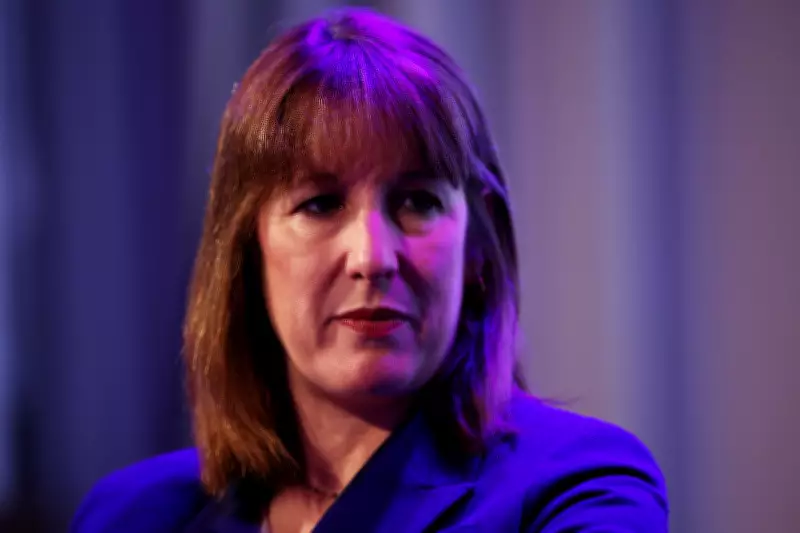
In a high-stakes meeting that underscores growing economic tensions, the chief executives of Britain's largest supermarket chains convened with Chancellor Rachel Reeves on Wednesday, April 1, 2026. The urgent gathering comes amid dire warnings from industry experts that food inflation could surge into double-digit percentages this year, placing unprecedented pressure on household budgets across the nation.
Industry Leaders Gather Amid Profiteering Controversy
Executives from retail giants including Tesco, Sainsbury's, Marks & Spencer, Morrisons, and Iceland participated in the afternoon session at the Treasury. This meeting followed the abrupt cancellation of a similar gathering last week, when supermarket bosses expressed concerns that government ministers planned to lecture retailers about alleged "profiteering" during the ongoing Middle East crisis.
Notably absent from Wednesday's discussions were representatives from Asda, Aldi, Lidl, and John Lewis, all citing scheduling conflicts. Iceland's chief executive Richard Walker, who serves as a cost-of-living advisor to the government, recused himself due to potential conflicts of interest. Instead, the budget supermarket sent Stuart Lendrum, its director of product, process and sustainability, to represent the company's interests.
Tax and Regulatory Burdens Take Center Stage
Supermarket executives arrived prepared to confront the Chancellor about what they describe as mounting tax and regulatory pressures that threaten to drive consumer prices even higher. Key issues on the agenda included recent increases to employers' national insurance contributions, newly implemented minimum wage requirements, and controversial packaging sustainability taxes.
The Extended Producer Responsibility (EPR) tax has emerged as a particular point of contention within the retail sector. This levy, charged to large businesses to contribute toward packaging disposal costs, has drawn criticism from major retailers including John Lewis and specialty food manufacturer Heck. The tax structure imposes significantly higher charges on heavier packaging materials like glass, prompting legal challenges from companies including premium drink mixer brand Fevertree, which recently announced plans to take the Environment Agency to court over what it claims is unfair application of the tax to its glass bottles.
Geopolitical Crisis Compounds Domestic Pressures
The Food and Drink Federation, representing approximately 12,000 UK food and drink manufacturers, delivered a sobering forecast ahead of the meeting. The trade association warned that food inflation could climb as high as 10 percent this year, with the conflict in Iran creating additional pressure on energy costs and global supply chains.
Dr. Liliana Danila, Chief Economist at the FDF, emphasized the sector's vulnerability to geopolitical shocks: "The food and drink industry is already feeling the force of this geopolitical disruption. While our current forecast assumes the Strait of Hormuz shipping blockages will resolve within weeks, prolonged conflict could push inflation into double figures."
The FDF's revised projection represents a dramatic increase from its previous 3.2 percent estimate, now adjusted to nine percent with potential for further escalation.
Industry Calls for Government Action
Helen Dickinson, chief executive of the British Retail Consortium, urged government cooperation to mitigate price increases for consumers: "While the government cannot control global oil prices, it can reassess domestic policy costs that are already contributing to inflationary pressures. Collaborative action is essential to protect household budgets during this challenging period."
This sentiment was echoed by Marks & Spencer chief Stuart Machin, who recently criticized "policy costs" imposed on retailers for driving up energy expenses. Meanwhile, Asda executive chairman Allan Leighton called for more substantial government support for farmers and fuel price reductions, dismissing concerns about petrol "profiteering" as "nonsense."
Chancellor Faces Industry Skepticism
The meeting represents Chancellor Reeves' second attempt to engage with retail leaders after her initial invitation last week was met with industry resistance. Supermarket executives interpreted the earlier overture as potentially accusatory, leading to the meeting's postponement.
This pattern mirrors recent tensions between the Treasury and petrol retailers, who initially canceled a scheduled meeting with Reeves after objecting to what they described as "inflammatory" language regarding "price gouging" allegations. That meeting was subsequently rescheduled following industry pressure.
Despite the contentious backdrop, Sainsbury's chief Simon Roberts offered some reassurance to consumers, noting that fixed-price contracts on energy and fertilizer costs would provide temporary insulation against the most severe price increases in the immediate future.
The Treasury has indicated it will use Wednesday's meeting to better understand the potential scale of price increases resulting from energy and supply chain disruptions caused by the Middle East conflict, while supermarket representatives prepare to highlight what they view as counterproductive tax and regulatory burdens.