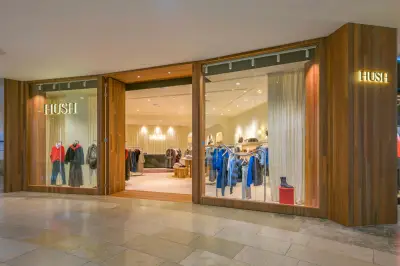
Shop Price Inflation Slows in February as Retailers Offer Promotions
Shop price inflation in the United Kingdom showed a significant slowdown in February, providing much-needed relief for cash-strapped consumers facing persistent cost of living pressures. According to the latest figures from the British Retail Consortium (BRC), the annual rate of shop price inflation dropped to 1.1 percent in February, down from 1.5 percent recorded in January.
Retail Competition Drives Price Relief
Helen Dickinson, chief executive of the British Retail Consortium, highlighted that fierce competition among retailers helped keep price increases in check during February. "Households got some welcome relief in February as shop price inflation eased," Dickinson stated. "Promotions across health, beauty and fashion categories contributed to this positive development for consumers."
The month-on-month inflation rate for shop prices remained flat at 0 percent in February, following a marginal 0.4 percent increase from December to January. This stabilization indicates retailers are actively working to absorb some cost pressures rather than passing them entirely to consumers.
Food Inflation Shows Modest Improvement
While food prices continue to rise, the rate of increase showed modest improvement:
- Overall food inflation fell from 3.9 percent year-on-year in January to 3.5 percent in February
- Fresh food inflation slowed from 4.4 percent to 4.3 percent year-on-year
- Ambient food inflation (products stored at room temperature) dropped significantly from 3.1 percent to 2.3 percent
The reduction in ambient food inflation represents the most substantial improvement, reaching its lowest level in four years according to industry analysts.
Retailers Face Mounting Business Pressures
Despite the positive news for consumers, retailers continue to face significant challenges. Helen Dickinson warned that "retail operates on thin margins yet has faced relentless tax rises in recent years." She expressed particular concern about potential impacts from the Employment Rights Act, noting that "secondary legislation could add further complexity if implemented without consideration for business costs."
Last month, chief financial officers at leading UK retailers warned they might need to reduce working hours or cut jobs as they adapt to employment reforms introduced by the Labour government. These business cost pressures create a delicate balancing act for retailers trying to maintain affordability while managing their own financial sustainability.
Consumer Sentiment Remains Cautious
Mike Watkins, head of retailer and business insight at consumer intelligence firm NIQ, observed that "whilst inclement weather and weak sentiment is making consumer demand rather unpredictable for retailers, at least shoppers are now seeing some of their cost of living pressures start to ease."
The combination of falling global food costs and strategic retailer promotions contributed to the February slowdown in shop price inflation. However, industry experts caution that the relief may be temporary as retailers continue to navigate high employment costs, tax increases, and regulatory changes that could ultimately affect pricing strategies in coming months.