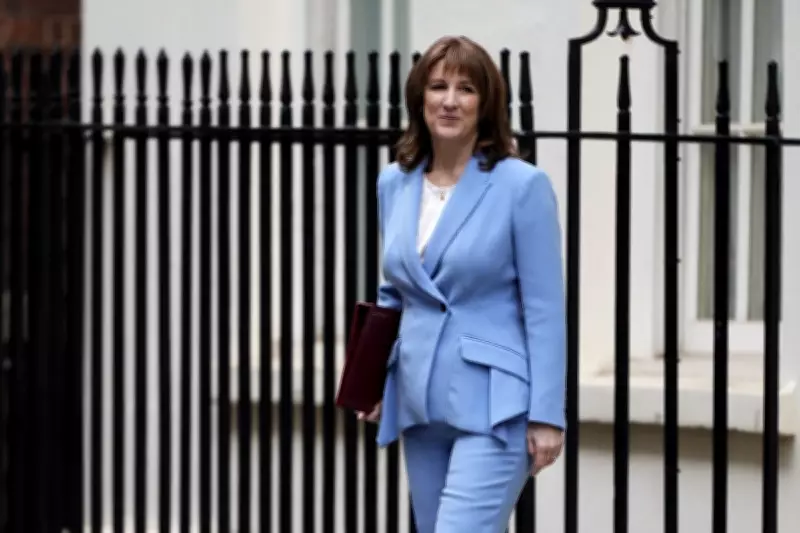
Retail and hospitality industry leaders have delivered a stark rebuttal to Chancellor Rachel Reeves' spring statement, arguing that her pro-growth message starkly contradicts the high-cost reality confronting businesses across the United Kingdom.
Business Rates: A Broken System
In the wake of the Chancellor's address to the House of Commons, sector representatives have issued an urgent plea to the Labour government. They are demanding comprehensive reform of the business rates system and a significant reduction in tax and policy barriers that hinder hiring, which they deem essential for fostering genuine economic expansion.
The British Retail Consortium (BRC), a leading voice for retailers, emphasized that while protecting jobs remains a top priority for businesses, this goal is being undermined by the excessive burden of business rates. Helen Dickinson, Chief Executive of the BRC, stated, "The Chancellor spoke about boosting investment in communities. Our high streets are the backbone of local economies, yet business rates continue to undermine their viability."
Dickinson acknowledged some governmental steps to address the current system but insisted, "It is broken and must be overhauled entirely to reduce the burden on the high street once and for all." This sentiment echoes warnings from last month, where the head of northern pub chain Admiral Taverns told City AM that business rates would "kill off the high street" without root-and-branch Treasury reform.
Mounting Employment and Tax Pressures
Kate Hayward, UK Managing Director at small business accounting software provider Xero, characterized the Chancellor's messaging as feeling "at odds with reality." Many business leaders had hoped for a greater focus on small firms, which are particularly vulnerable to current economic pressures.
Retailers are grappling with a dual challenge: escalating employment costs and the need to adapt to the Labour government's new workers' rights reforms. Trade bodies have cautioned that these reforms could compel business owners to reduce hiring to manage expenses.
A BRC survey revealed that more than half of chief finance officers at retail firms plan to reduce working hours due to the new legislation, with 48 percent stating they will cut jobs entirely to control costs.
Hospitality Sector Echoes Concerns
The hospitality industry is facing similar strains. Jon Hendry-Pickup, Chief Executive of family resort chain Butlin's, highlighted that employment costs are also crippling hospitality firms. He explained, "Hospitality and leisure businesses want to invest and hire, yet year-on-year cost pressures are reaching a tipping point. If the Government wants growth in every part of the UK, it needs to rethink how some sectors are carrying so much of the burden."
John Dickie, Chief Executive at trade body BusinessLDN, acknowledged the government's correct focus on growth but stressed the urgency for small retailers. He noted, "This approach is starting to bear some fruit with Office for Budget Responsibility forecasts showing more breathing room against the Government’s fiscal rules. But growth is set to remain anaemic over the coming years and the Chancellor needs to redouble her efforts to get the economy moving quickly."
During her statement, Chancellor Reeves defended her government's high tax and spend policies, asserting that the economy "is growing" despite the Treasury watchdog's decision to slash growth forecasts. However, the unified voice from retail and hospitality leaders suggests a significant disconnect between governmental rhetoric and the on-the-ground challenges threatening business viability and national economic recovery.