Record Wet Weather Dampens High Street Shopping Activity
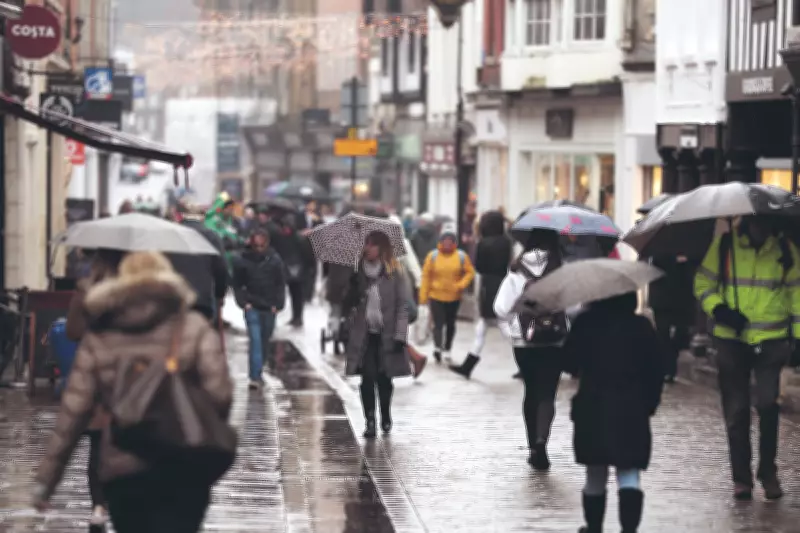
The United Kingdom experienced exceptionally wet weather throughout February, resulting in a significant decline in retail footfall as consumers opted to stay indoors rather than visit shopping destinations. According to the latest data from the British Retail Consortium (BRC), overall retail footfall decreased by 4.5 percent in February compared to the same period last year. This marks a substantial downturn from January's more modest 0.6 percent reduction, highlighting the severe impact of adverse weather conditions on consumer behavior.
Regional Variations in Footfall Decline
Shopping centers and high streets bore the brunt of the downturn, with footfall dropping by 5.5 percent and 5.4 percent respectively. Retail parks fared slightly better but still recorded a 3.1 percent decrease in visitor numbers. The BRC specifically noted that clothing and footwear retailers were among the hardest hit sectors during this period. Geographically, London experienced the most pronounced decline, with total retail footfall falling by 6.3 percent in February, a significant worsening from the capital's 1.1 percent decrease in January. In contrast, Bristol saw the smallest impact among measured cities, with footfall dropping by just 1.6 percent.
Mounting Employment Costs Compound Retail Challenges
Beyond weather-related challenges, UK retailers are raising alarms about escalating employment costs that threaten their operational viability. Factors including minimum wage increases, national insurance contributions, and workers' rights reforms are creating substantial financial pressure on retail businesses. Helen Dickinson, Chief Executive of the BRC, emphasized that while government cannot control meteorological conditions, it can implement policies to stimulate local investment and improve retail conditions. "The Strategy needs to recognise that raising so much tax revenue through property taxes is no longer sustainable," Dickinson stated, referring to business rates that many retailers consider particularly burdensome.
Industry Calls for Comprehensive Policy Reforms
The retail sector has welcomed the government's recent announcement of a £150 million investment initiative aimed at revitalizing high streets across the country. However, industry leaders are urging policymakers to complement this funding with substantive reforms to tax structures that currently disadvantage retailers. Nick Stowe, representing retail giants Monsoon and Accessorize, highlighted specific concerns regarding workers' rights legislation that could inadvertently restrict hiring flexibility. "The Act risks applying rigid contract requirements that would make it difficult to flex working hours to meet the seasonal demand inherent in retail," Stowe explained in a published commentary. He noted that the retail industry has already lost approximately 250,000 jobs over the past five years, while the cost of hiring entry-level workers has increased by ten percent in just the last year.
Looking Toward Collaborative Solutions
Retail leaders express cautious optimism about finding balanced solutions that protect worker rights while maintaining business viability. "If we get this right, we will have a once in a generation opportunity to strengthen worker rights whilst enabling retailers to continue investing, regenerating communities and creating opportunity across the country," Stowe asserted. The BRC has specifically called on the Labour party to support tax policy reforms alongside the government's high street investment program. The Department for Business and Trade has been approached for comment regarding these industry concerns, though no official response has been published at this time.