Retailers have begun stocking Halloween merchandise in August, a trend that reflects broader shifts in consumer behavior and climate patterns. According to Dave Schilling, a Los Angeles-based writer and humorist, this early rollout signals a fundamental change in how seasons and holidays are perceived. Schilling notes that big-box stores like Target and CVS are already displaying costumes, decorations, and candy, despite the lingering summer heat. He argues that capitalism and the climate crisis are conspiring to erode traditional seasonal boundaries, leaving consumers to navigate a new, data-driven holiday calendar.
Retailers Jump the Gun on Halloween
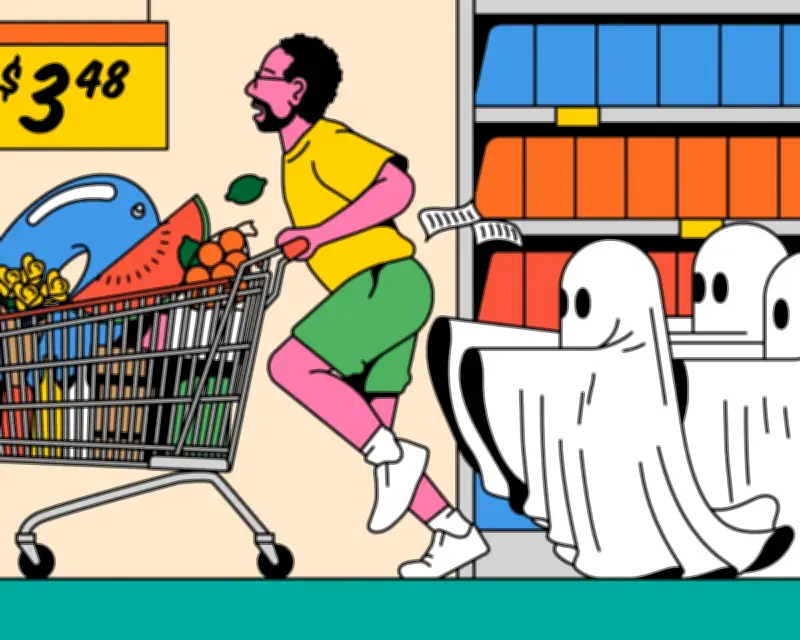
Schilling describes his recent visit to Target, where he encountered life-size skeletons, costumes, and massive bags of candy positioned for purchase. A friend even bought a miniature cauldron, prompting questions about its utility. CVS has also stocked Halloween greeting cards, which Schilling finds particularly puzzling, noting that Halloween cards are rarely a staple for adults. He laments that Halloween celebrations, which traditionally began in late September, now start in August, just a month after Independence Day. This early marketing, he suggests, violates the natural order of holidays, which once followed a tidy, predictable schedule.
The trend is not limited to physical stores. Schilling points out that Amazon offers Halloween items year-round, allowing consumers to buy plastic fangs or fake blood whenever they wish. He observes that if the climate crisis makes seasons indistinguishable, holidays could become equally fluid, dictated by personal preference or corporate analytics rather than nature.
Climate Crisis Blurs Seasonal Cues
Schilling highlights the role of climate change in this phenomenon. He notes that Los Angeles experiences 90°F weather in August, with heatwaves also affecting the east coast, driving people into air-conditioned spaces. The persistent heat, combined with wildfire smoke and brown grass, makes it harder to discern seasonal shifts. As a result, retailers may rely on data to determine when to launch holiday products, potentially aligning with consumer demand rather than traditional calendars.
Schilling speculates that retailers have statistics showing consumers crave Halloween by August, which justifies early stocking. He suggests that society is increasingly governed by big data, even in areas like holiday observance. This shift, he argues, reflects a broader surrender to capitalism, where the seasons are measured by currency flows rather than natural cycles.
Adapting to a New Holiday Normal
The writer acknowledges that future generations may not experience the cognitive dissonance he feels. His son, he predicts, might accept Halloween in August as normal, growing up under the pall of climate control and fluorescent lighting. Schilling ultimately finds solace in the inevitability of pumpkin spice season, which he says will arrive sooner than expected. While he resists the change, he concedes that adaptation may be necessary, as the boundaries between holidays continue to blur.
This trend raises questions about how other holidays might shift, with Schilling imagining a future where witches and vampires bleed into patriotic celebrations. He jokes that Frankenstein's monster might even be associated with the battle of Yorktown. For now, he concludes, the only way to cope is to embrace the new normal, checking store aisles to know what season it is.