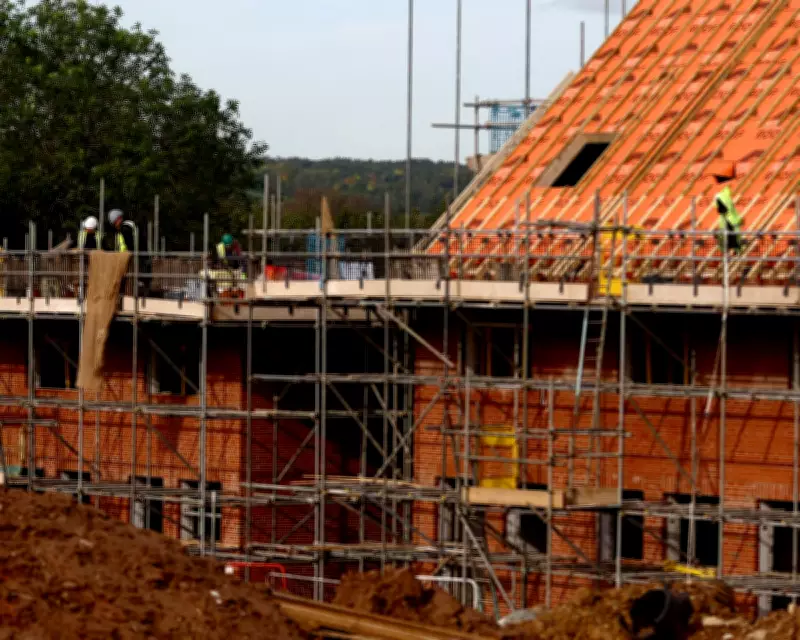
Persimmon, a prominent British housebuilder, has issued a stark warning that the ongoing conflict with Iran could significantly undermine homebuyer confidence in the United Kingdom. This caution comes amidst escalating concerns over persistent high interest rates and the potential for inflation to surge due to geopolitical tensions.
Monitoring Market Impacts Amid Uncertainty
The company stated it is closely "monitoring the impact the conflict with Iran could have on our markets in 2026," highlighting that consumer sentiment remains fragile in the face of increased financial uncertainty. Persimmon emphasized that its projections do not factor in any mortgage rate reductions or government stimulus measures, noting that shifts in customer sentiment due to heightened uncertainty are the most critical short-term variable.
Construction Targets and Economic Assumptions
Persimmon anticipates completing between 12,000 and 12,500 homes this year, marking a slight increase from 2025. However, this forecast is contingent on the assumption that the Iran conflict and its repercussions will be brief. The builder's outlook reflects a cautious stance as external economic pressures mount.

Rising Mortgage Rates and Inflation Fears
Major lenders, including HSBC, Nationwide, and Coventry, have already begun raising rates on fixed mortgages. This trend is fueled by warnings that rising energy prices could drive up UK inflation, potentially compelling the Bank of England to maintain or even increase interest rates. Initially, policymakers were expected to cut the base rate at their March 19 meeting, but investors now predict it will likely remain at 3.75% for the rest of the year, with a possible rise to 4% by June next year.
Barclays Reports Drop in Consumer Confidence
Barclays has also sounded the alarm, reporting a decline in UK consumer confidence since the outbreak of war. Its confidence index, which measures public sentiment toward the economy, fell by two percentage points to 23%, erasing gains made earlier in the year. The lender's survey of approximately 2,000 people following the initial US-Israeli attacks on Iran revealed that about four-fifths of Britons are worried the war will exacerbate inflation.
Most respondents expressed particular concern over fuel costs, energy bills, and food prices, with around three-fifths fearing a negative impact on their personal finances. Aarin Chiekrie, an equity analyst at Hargreaves Lansdown, commented, "The ongoing war in Iran and subsequent rise in oil prices have already made rate cuts less likely this year. That's not helping buyer affordability, and it could be a while before external headwinds shift."
Persimmon's Current Performance and Future Outlook
Despite these challenges, Persimmon reported robust sales in the first nine weeks of the year, with its net private sales rate up 9% compared to the same period in 2025 and average selling prices 6% higher. The company noted that the potential impact of the war on building costs remains uncertain, but it expects limited effects this year due to existing supplier agreements and accelerated production levels heading into 2026.
Dean Finch, Persimmon's chief executive, stated, "While we have good visibility of both our costs for 2026 and our demand from registered providers and build-to-rent, the impact of the Iran conflict on customer sentiment remains to be seen." This statement underscores the delicate balance between current operational strength and future market uncertainties driven by geopolitical events.